
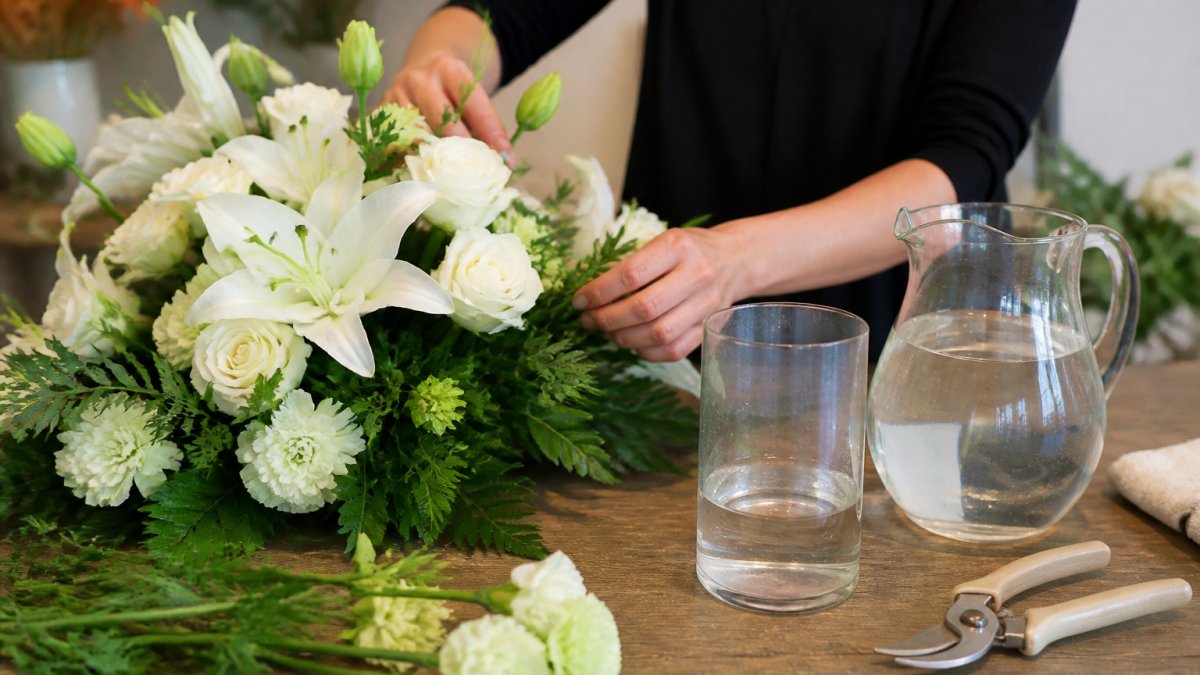
Table of Contents
- Why Funeral Flowers Need Special Care
- Immediate Steps to Keep Flowers Fresh in a Vase
- How to Keep Flowers Fresh for 3 Days
- Safe Transport and Storage for Attendees
- How to Preserve Funeral Flowers Long-Term
- What to Do With Funeral Flowers After the Service
- Funeral Flower Keepsake Ideas
- Troubleshooting Common Wilting and Damage Issues
- Frequently Asked Questions
Last Updated: October 21, 2026
Why Funeral Flowers Need Special Care
Funeral flowers are stressed from the moment they’re cut, having traveled through packaging, temperature changes, and handling before arriving at the service or your home. Understanding why they wilt helps you keep funeral flowers fresh longer.
Cut flowers lose water through stems and petals, dehydrating within days without proper care. Bacterial growth in cloudy vase water, temperature swings, direct sunlight, and dry air all accelerate wilting.
Basic flower care preserves those meaningful blooms for days or even weeks.
Immediate Steps to Keep Flowers Fresh in a Vase
The first day after receiving funeral flowers determines how long the blooms stay vibrant.
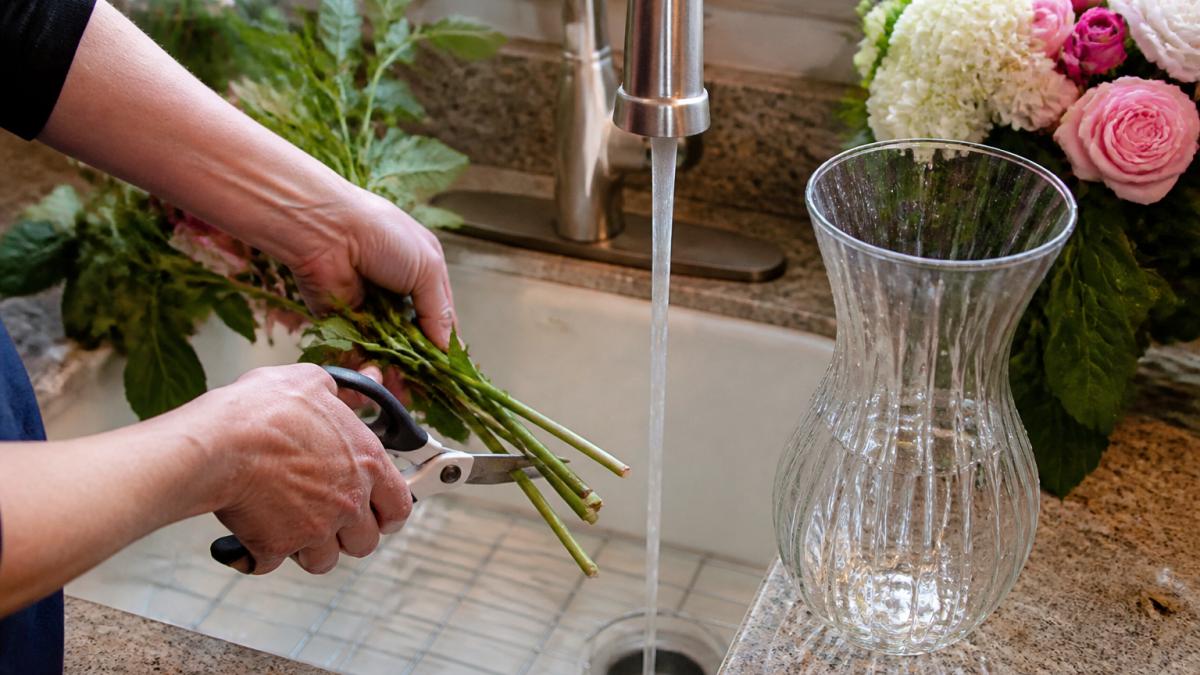
Preparing stems and blooms before placement
Remove any leaves that would sit below the waterline. Submerged leaves rot, creating bacteria that clogs stems and causes wilting.
Cut 1-2 inches off each stem at a 45-degree angle with a sharp knife, never scissors, which crush the stem and prevent water uptake. The angled cut creates more surface area for absorption.
Gently remove damaged petals or bruised blooms, they deteriorate faster and spread bacteria to healthy blooms nearby.
Optimal vase conditions and water care
Fill the vase with room-temperature water mixed with flower food if a packet is included; its nutrients and antibacterial agents extend bloom life.
Change the water completely every two to three days, recutting stems at an angle and cleaning the vase thoroughly, bacterial buildup is a main reason flowers wilt prematurely.
Keep the vase filled to the proper level: most arrangements need water at least halfway up the stems, though roses and carnations prefer deeper water and tulips shallower.
Tap water is fine unless your area has extremely hard water; otherwise use filtered or distilled water.
How to Keep Flowers Fresh for 3 Days
Three days is the realistic target for most sympathy arrangements, enough to cover the service, reception, and a day or two at home. Hitting it depends on a consistent routine matched to the flower types in the arrangement.
A day-by-day timeline
Day 1 (day of the service): Unwrap, recut stems at a 45-degree angle, strip leaves below the waterline, and place in cool water with flower food. Keep it out of direct sun and away from heat vents.
Day 2: Top up with cool water in the morning and remove fallen petals or browning leaves. If water looks cloudy, change it completely, clean the vase, and recut stems.
Day 3: Change the water completely, recut stems, and clean the vase, the single most effective maintenance step. Remove any mushy or moldy blooms so they don’t spread decay.
Temperature, light, and ethylene
The ideal room temperature for cut flowers is roughly 65-72 degrees Fahrenheit; cooler nights slow aging, so a room dropping to the low 60s overnight beats one that stays at 75. Avoid direct sunlight, and keep arrangements a few feet from heating and air-conditioning vents, never on top of a refrigerator or near a stove.
Ethylene gas is the most overlooked threat: ripening fruit, dying flowers, and cigarette smoke release it, causing petals to drop and buds to stay closed. Keep arrangements away from the kitchen fruit bowl and trash cans holding old blooms.
Do not put funeral flowers in a closed refrigerator with produce. The ethylene from fruit and vegetables will shorten bloom life, and some flowers absorb food odors. If you need cold storage, use a cooler with a sealed ice pack wrapped in a towel.
Flower-specific care
Different sympathy flowers need different treatment, one routine won’t suit a mixed arrangement.
- Roses: Recut stems under water if possible and use a deep vase. Roses drink heavily and benefit from flower food. Remove guard petals that look bruised. Keep them away from drafts; roses are prone to bent necks when thirsty.
- Lilies: Remove the anthers (the pollen-covered tips) as soon as blooms open. Pollen stains fabric and petals, and it is toxic to cats. Lilies prefer cool water and moderate light; do not mist, as petals spot easily.
- Carnations: Carnations are among the longest-lasting cut flowers and tolerate slightly shallower water than roses. Recut stems every few days and keep them away from ethylene sources; carnations are especially sensitive to it.
- Chrysanthemums: Mums are sturdy and last well in cool rooms. Remove lower leaves and change water every two days. They are a good candidate for home drying later.
- Tulips: Tulips continue to grow in the vase and prefer shallower water, about 2-3 inches. Keep them cool and away from direct sun; warm rooms cause them to open and drop petals quickly.
- Hydrangeas: Hydrangeas wilt dramatically and recover well from a deep, cool water soak. If blooms droop, submerge the heads in cool water for 20-30 minutes, then return to the vase.
Daily maintenance routine
A 60-second morning check suffices: top up water, remove fallen petals, and rotate the vase. Change water completely every two days and recut stems every two to three days. Skip misting unless the room is very dry; if you do, mist in the morning so petals dry before night, and stop at the first sign of spots.
Safe Transport and Storage for Attendees
Taking a funeral arrangement home is one of the most common ways families keep flowers fresh, yet it’s also where arrangements are most often damaged. A few rules prevent crushed blooms, spilled water, and heat stress during the trip.
Before you leave the service
Ask the funeral home or florist whether the arrangement can be disassembled.
If the arrangement is in a vase, drain about half the water before moving it, a full vase sloshes and tips, while a half-full one stays stable and keeps stems wet.
In the car
Never set flowers on a sunny back seat or in a trunk on a warm day, a closed car in direct sun can exceed 100 degrees Fahrenheit within minutes, wilting blooms faster than any other single factor.
For trips longer than about 30 minutes, place the arrangement in a cooler with a sealed ice pack wrapped in a towel so it doesn’t touch petals, direct ice contact causes cold damage and blackened edges. Use one small cooler for the vase and a second, dry box for loose blooms you plan to dry later.
If you are flying home with flowers, check the airline’s carry-on rules first. Most carriers allow cut flowers in carry-on luggage, but arrangements with water, soil, or floral foam are often restricted. Ship dried or pressed flowers instead of fresh ones for air travel.
Temporary storage at your destination
If you can’t arrange the flowers immediately, keep them in a cool, dark room, a basement, shaded garage, or air-conditioned bedroom. Don’t store them in a refrigerator holding fruit: ripening fruit releases ethylene gas, causing petals to drop and buds to fail to open.
Stand stems upright in a bucket with 2-3 inches of cool water. Laying flowers flat for more than a few hours bends stems and bruises blooms; if you must, place them on a damp towel and cover gently with another damp towel, not plastic, which traps condensation and encourages mold.
Reviving on arrival
Unwrap and recut stems at a 45-degree angle as soon as you arrive, then place them in cool water for at least an hour before arranging. If blooms look limp, wrap the bunch loosely in paper and stand it in deep cool water in a dark room for 2-4 hours, the standard florist conditioning step that often restores turgor.
How to Preserve Funeral Flowers Long-Term
Many families want to keep their funeral flowers beyond a few days, preserving them honors the memory long after the service ends.
Drying flowers at home with silica gel
Silica gel is the most effective method for preserving the color and shape of funeral blooms, absorbing moisture while maintaining form.
Buy silica gel from craft stores or online retailers and pour a 2-inch layer into an airtight container.
Seal the container and store it in a cool, dry place.
Store dried flowers in an airtight container away from moisture and direct sunlight; properly dried flowers can last months or even years.
Professional preservation options
Professional preservation services use freeze-drying or resin encasement, preserving color and texture better than home drying at a higher cost.
Freeze-drying removes moisture while preserving the flower’s original appearance, and resin encasement seals flowers in clear resin. Both create lasting keepsakes that look fresh long after the service. Mastering the delicate process of preserving flowers in resin offers a rewarding way to transform ephemeral funeral arrangements into permanent mementos that honor a loved one’s memory.
What to Do With Funeral Flowers After the Service
After the funeral, you have several meaningful options: some families keep flowers fresh as long as possible, while others move directly to preservation or memorial uses.
If you decide not to preserve the flowers, consider donating them to a local nursing home, hospital, or hospice, these facilities welcome fresh flowers to brighten residents’ rooms. Call ahead about donation policies and delivery options.
Some families compost their flowers or scatter petals in a meaningful location, honoring the flowers while returning them to nature. Remove any florist foam, floral tape, or non-biodegradable materials first.
Funeral Flower Keepsake Ideas
Preserved funeral flowers become lasting tributes. Here are meaningful ways to transform your blooms into keepsakes.
Turning dried blooms into resin keepsakes
Resin keepsakes embed dried flowers in clear resin and let it cure, creating durable pieces like coasters, bookmarks, pendants, or decorative plaques.
Many craft stores sell resin keepsake kits with instructions; the process takes a few hours but creates a lasting memorial that protects flowers from dust and moisture.
Other creative memorial options
Frame pressed flowers under glass or in a shadow box, wall art that honors the person and preserves the blooms. Pressing works especially well for delicate blooms like roses and carnations.
Create a dried flower arrangement in a shadow box or glass dome as a permanent memorial that keeps the original arrangement’s design.
Some families incorporate dried flowers into scrapbooks, memory books, or photo albums. A single pressed flower next to a photograph creates a touching memorial keepsake.
Troubleshooting Common Wilting and Damage Issues
Even with proper care, flowers sometimes struggle. Here’s how to address the most common problems.
Drooping stems: Usually the stems aren’t absorbing water properly.
Cloudy vase water: This indicates bacterial buildup.
Brown or blackened stem ends: Bacterial decay.
Wilting despite fresh water: Some flowers wilt because they’re too mature or were damaged in transport.
Spots on petals: Fungal spots develop in humid conditions or from misting wet flowers.
Funeral flowers carry deep meaning during one of life’s hardest moments.
Frequently Asked Questions
How often should I change the water for funeral flowers?
Change the water every two to three days, or sooner if it becomes cloudy. When you change the water, re-cut the stems at a 45-degree angle and remove any leaves below the waterline. Cloudy water indicates bacterial growth, which shortens the life of your blooms. Fresh, cool water keeps flowers hydrated and reduces the risk of stem decay.
Can you preserve funeral flowers as a keepsake?
Yes. The most accessible method is air-drying: hang stems upside down in a cool, dark place for two to three weeks. For faster results, use silica gel crystals, which draw moisture from petals in three to seven days. Professional preservation services can also embed dried flowers in resin for coasters or plaques. Each method preserves the blooms for years as a lasting memorial.
Where should I place funeral flowers to help them last longer?
Keep flowers in a cool room away from direct sunlight, heating vents, and ripening fruit. Ideal temperature ranges from 65 to 72 degrees Fahrenheit. Avoid placing them near appliances that generate heat. High humidity helps prevent moisture loss from petals. A cool bedroom or shaded corner of a living room works well. Keep fresh blooms away from drafts and temperature fluctuations.
How can I keep funeral flowers fresh during transport?
Wrap stems in a damp paper towel and secure with foil or plastic wrap to retain moisture. Place the bouquet in a cooler with ice packs if traveling more than an hour. Keep the arrangement upright and away from direct heat or air conditioning vents in the vehicle. If attending the service, bring the flowers in their original container or a similar vase to minimize stress on the blooms before display.