
Last Updated: November 14, 2026
Quick Summary
Low maintenance flowers for office spaces are flowering or foliage plants chosen for tolerance, not glamour, so they handle low light, irregular watering, and dry air without wilting. Snake plant, ZZ plant, and pothos are the best picks for windowless desks, while potted blooms like peace lilies and orchids outlast cut stems.
- Snake plant tolerates low light and needs water only every two to three weeks.
- Cut stems typically last 5-7 days, while potted peace lilies hold their display for weeks to months.
- Water plants on the last workday before a closure and group them so one person can reach them all.
- Yellow, mushy leaves signal overwatering, the biggest killer of office plants.
- East and north windows suit peace lilies and orchids; south and west sun can scorch low-light species.
Table of Contents
- Why Most Office Flowers Fail (and What Actually Survives)
- Best Plants for Office Desk With No Windows
- Office Desk Flowers That Last: Potted Blooms vs. Cut Stems
- Low-Maintenance Indoor Plants for Office Teams That Travel
- Plants for Office With Windows: Where Light Changes the List
- A Simple Care and Troubleshooting Guide for Office Plants
- Ordering Office Flowers for Your Workspace
- Frequently Asked Questions
Why Most Office Flowers Fail (and What Actually Survives)
Low maintenance flowers for office spaces fail for one reason: the office is a hostile environment pretending to be a nice one. Fluorescent light, dry recycled air, weekend neglect, and a cleaning crew that treats every surface the same. Some blooms handle that environment far better than others.
Here’s the uncomfortable truth most plant lists skip: the plant that survives your desk is rarely the prettiest one at the nursery. It’s the one built for neglect.
Low maintenance flowers for office spaces are flowering or foliage plants chosen for tolerance, not glamour. They handle low light, irregular watering, and dry air without dropping leaves or wilting between visits.
Below, we break down what actually survives a windowless desk, how potted blooms compare to cut stems, and how to order flowers that won’t be in the trash by Monday. The University of Minnesota Extension guide to houseplant care is a solid reference for the light and watering basics behind every pick here.
Best Plants for Office Desk With No Windows
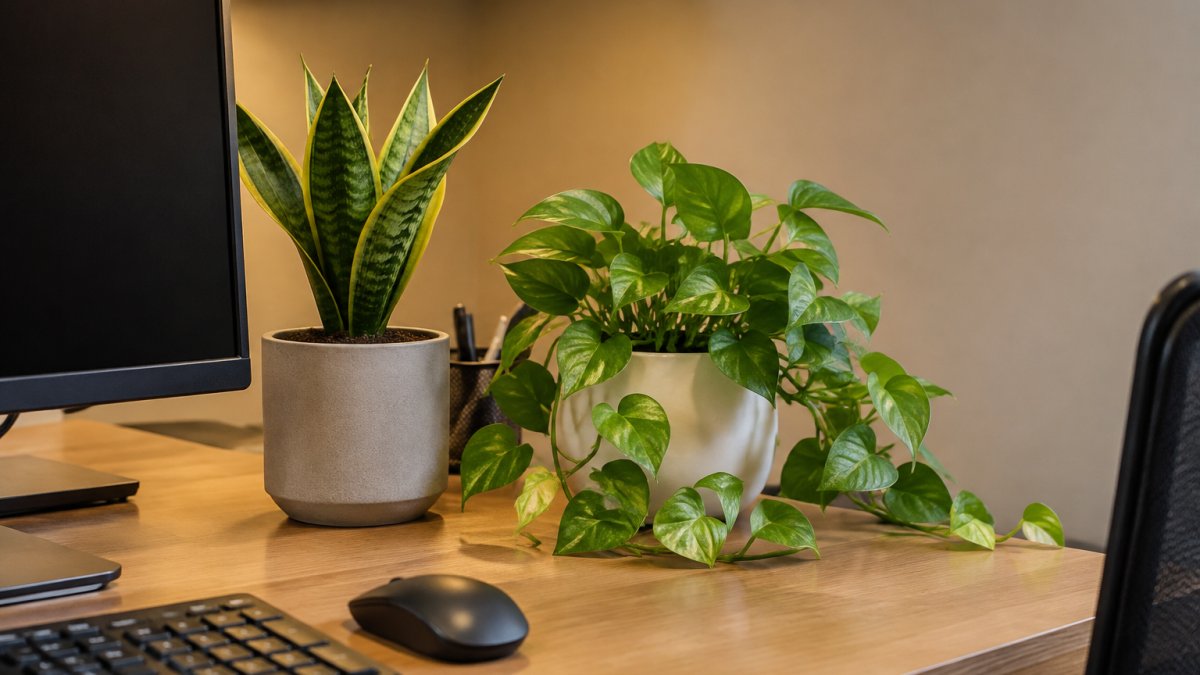
The best plants for an office desk with no windows are snake plant, ZZ plant, and pothos. All three tolerate fluorescent-only light, survive missed waterings, and stay compact enough for a standard desk.
Windowless workspaces remove the single biggest variable in plant care: natural sunlight. That eliminates most flowering plants immediately. What’s left are foliage plants with thick leaves built to store water and survive dim conditions.
Snake Plant, ZZ Plant, and Pothos: The Windowless Workhorses
Snake plant is the most forgiving option on this list. It tolerates low light, requires little water, and its thick leaves hold moisture for weeks. Water it every two to three weeks and ignore it otherwise.
ZZ plant handles the same conditions with glossier foliage. It’s drought-tolerant to the point where overwatering is the only real risk.
Pothos is the one that forgives a forgetful team. It trails nicely off a desk edge and bounces back from a dry spell. A common mistake is placing it in direct sun near a window, which scorches the leaves.
If your office is genuinely dark, our guide on how to choose plants for a low light office goes deeper on matching species to light levels.
Office Desk Flowers That Last: Potted Blooms vs. Cut Stems
Potted flowering plants outlast cut stems by a wide margin. A cut arrangement typically looks its best for about a week, while a potted flowering plant such as a peace lily or orchid can hold its display for weeks or months with minimal care. That single difference should drive most office flower decisions, yet most plant lists blur the two categories together.
This is the distinction most flower lists skip. Cut flowers are an event. Potted blooms are an ongoing presence. Choosing between them is really a question of how much maintenance your office can absorb and how often you want to pay for a refresh.
How Long Cut Flowers Really Last at a Desk
Cut stems generally last only a few days in an office environment, especially when the water is not changed regularly.
Vase life depends on the species and the stem condition. Sturdier stems such as carnations, chrysanthemums, and alstroemeria routinely outlast soft-petaled blooms like tulips and dahlias. You can extend vase life by recutting stems at an angle, changing water every two days, keeping the vase out of direct sun and away from heating vents, and removing leaves that sit below the waterline. A floral preservative packet helps, but clean water and a cool spot do most of the work.
Potted Blooms: Longer Display, Different Care
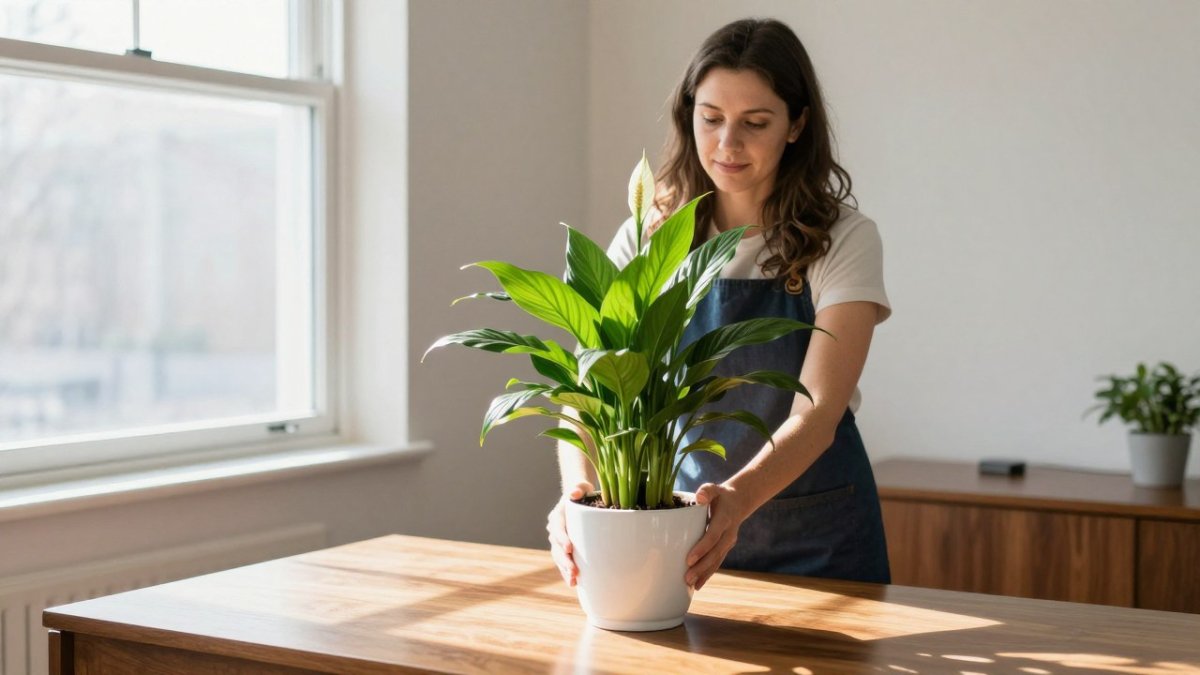
Potted flowering plants change the math. A peace lily tolerates low light and tells you when it’s thirsty by drooping, then recovering after a watering. An orchid needs bright indirect light and very little water, making it a strong desk choice near a window. Both hold their display far longer than cut stems, but they fail for different reasons: peace lilies suffer from overwatering, orchids from being kept too wet at the roots.
A potted bloom is not maintenance-free. It needs the right light, a pot with drainage, and a watering owner. What it saves is replacement cost and the weekly logistics of a fresh arrangement.
Cost and Effort Over Time
| Option | Typical Display Life | Watering | Best For |
|---|---|---|---|
| Cut stems in a vase | 5-7 days | Water change every 2 days | Reception, events |
| Potted peace lily | Weeks to months | Weekly, when soil dries | Desks, low light |
| Potted orchid | Weeks in bloom | Every 7-10 days | Bright indirect light |
| Snake plant | Year-round foliage | Every 2-3 weeks | Windowless desks |
For teams leaning toward potted blooms, you can shop a peace lily in a marbled ceramic pot as a low-effort starting point.
Watch out: cut stems left in stagnant water grow bacteria that shorten vase life and smell, so assign someone to change the water even if no one is watering plants.
Low-Maintenance Indoor Plants for Office Teams That Travel
Teams that travel need plants that survive being ignored. The rule is simple: choose species that tolerate missed waterings, and skip anything that wilts within days of neglect. Weekend watering is the baseline, but a team offsite or a holiday week stretches that gap. Drought-tolerant species handle it; most flowering plants don’t.
What most plant lists miss is that office neglect is not one problem. It is a set of specific conditions: two-day weekends, occasional four-day holiday closures, air conditioning that dries the air, heating that dries it further, cleaning crews that move or overwater things, and no convenient sink for refilling a watering can. A plant that survives a dark corner may still fail because no one can reach it with water on a Friday.
Species That Tolerate Missed Watering
- Snake plant: survives two to three weeks without water and tolerates low light.
- ZZ plant: stores water in its rhizomes and shrugs off dry spells; overwatering is its main risk.
- Spider plant: forgiving, though it prefers slightly more frequent watering and will brown at the tips in dry air.
- Philodendron: tolerates low light and irregular schedules.
- Pothos: bounces back from a dry spell and trails well off a desk edge.
A spathiphyllum is a practical pick for a traveling team because it signals thirst clearly by drooping without dying outright. You can order a spathiphyllum plant for an office that needs a hardy, forgiving option.
Planning Around Weekends, Holidays, and Shared Spaces
The practical fix is to water on the last workday before a closure and to group plants so one person can reach them all. Plants near a sink or break room are easier to maintain than those in a conference room no one enters on a Friday. If a holiday closure runs longer than a week, move drought-tolerant plants out of direct sun and away from heating vents so they dry out more slowly.
Air conditioning and heating both lower humidity. Brown, crispy leaf edges are the usual sign. Grouping plants together raises local humidity slightly, and keeping them away from vents prevents the worst damage.
Watch out: the biggest killer of office plants isn’t neglect, it’s a well-meaning colleague overwatering. Assign one owner per plant and note the watering day on the pot so a second person doesn’t water on top of the first.
Plants for Office With Windows: Where Light Changes the List
Windows change everything. Once a space gets bright indirect light, the list expands to include flowering plants that would fail on a dark desk.
East and north windows give soft morning or consistent indirect light, which suits peace lilies, orchids, and most foliage plants. South and west windows bring stronger afternoon sun that can scorch low-light species but suits succulents and flowering plants that want more light.
Placement matters as much as species. A plant that tolerates low light will still stretch and pale if pushed into a dark corner. The Clemson Cooperative Extension home and garden information covers light requirements by plant type if you want to match species to a specific window.
A Simple Care and Troubleshooting Guide for Office Plants
Most office plant problems trace to three causes: too much water, too little light, or dry air. Fix those and the plant usually recovers.
- Yellow, mushy leaves: overwatering. Let the soil dry out and cut back.
- Brown, crispy leaf edges: dry office air or underwatering. Move away from vents.
- Leggy, pale growth: not enough light. Relocate closer to a window.
- Drooping despite wet soil: root rot from standing water. Repot and reduce watering.
- No blooms on a flowering plant: insufficient light, the most common cause indoors.
Keep a simple schedule: water most species weekly or when the top inch of soil is dry, rotate plants toward light monthly, and dust leaves so they can absorb what light they get.
Ordering Office Flowers for Your Workspace
Ordering office flowers works best when you match the order to the space. Cut arrangements suit reception areas and client-facing desks where impact matters for a week. Potted plants suit workstations where longevity matters more than a fresh cut.
Our corporate flower delivery guide for offices walks through matching arrangements to reception, desks, and client spaces. Businesses weighing a recurring arrangement can read up on corporate flower gifting program benefits before committing.
Pricing depends on quantity, dates, and delivery, so visit the An English Garden website or request a quote for current rates.
Most offices don’t fail at flowers because they picked the wrong bloom. They fail because no one owns the watering can. Pick species built for neglect, assign one caretaker per plant, and match cut stems to events and potted plants to desks. That’s the whole system.
An English Garden has served the Mokena area for over 32 years, offering secure 24-hour online ordering, delivery to more than 30 cities each day, and a welcoming approach to corporate accounts.
Frequently Asked Questions
What are the lowest-maintenance office flowers?
Potted flowering plants beat cut stems for low upkeep. Peace lilies, orchids, and flowering succulents need water roughly once a week and tolerate fluorescent light. Cut carnations and chrysanthemums are the easiest cut options, lasting seven to ten days with a water change every two days. If your office is windowless, skip blooms that need bright light and choose foliage plants like snake plant or ZZ plant instead.
How often should office flowers be watered?
Most potted office plants want water every seven to ten days, once the top inch of soil feels dry. Succulents and snake plants can stretch to two or three weeks. Cut flowers need fresh water every two days plus a stem trim. Overwatering kills more office plants than neglect, so when in doubt, wait. A plant sitting near a heating vent dries out faster than one in a shaded corner.
Are low-maintenance office plants better than cut flowers?
It depends on what you want. Potted plants generally last months or years, while cut flowers provide instant color. Cut flowers give instant color and need no soil or sunlight, which suits reception desks and conference tables. Many offices use both: a potted plant for permanence and a rotating cut arrangement for client-facing spaces. Replacement schedules matter more than the initial choice.
Which plants work best in an office with no windows?
Snake plant, ZZ plant, pothos, philodendron, and spider plant all tolerate fluorescent-only light. Keep them within a few feet of a ceiling fixture and rotate pots monthly so growth stays even. Avoid flowering plants in windowless rooms, since most need some natural sunlight to bloom. Water sparingly, because low light means slow growth and slow water use.
