Table of Contents
- Why Fresh Flowers Make the Perfect Birthday Gift
- Best Flowers for Birthdays: Choosing the Right Bouquet
- Same-Day Birthday Flower Delivery: What You Need to Know
- How Long Do Fresh Flowers Last After Delivery
- How to Make Cut Flowers Last Longer: Care Tips That Work
- Ordering Flowers Online: Pricing, Delivery Areas, and What to Expect
- Pairing Flowers with Birthday Gifts and Personal Messages
- Conclusion
- Frequently Asked Questions
Last Updated: October 21, 2026
Why Fresh Flowers Make the Perfect Birthday Gift
A birthday bouquet delivers something no other gift can: immediate beauty, fragrance, and a personal touch that shows you’ve put genuine thought into the celebration. Fresh flowers for birthdays have been a tradition for generations because they work. They brighten a room, they make people smile the moment they arrive, and they carry a message that feels both timeless and sincere.
At An English Garden, we’ve been creating birthday arrangements for over 32 years, and we’ve learned what makes a floral gift truly memorable. It’s not just about picking pretty flowers and wrapping them up. It’s about understanding the person receiving them, choosing colors and varieties that match their personality, and ensuring the arrangement arrives fresh enough to last through their celebration and beyond.
Birthday flowers work because they’re celebratory by nature. Unlike sympathy arrangements, which convey respect and comfort, or romantic bouquets, which speak to devotion, birthday flowers say “Your day matters, and I’m thinking of you.” They’re appropriate for anyone on your list, a parent, friend, coworker, or partner, and they fit any budget.
The challenge most people face isn’t whether to send flowers, it’s how to choose the right ones and ensure they arrive in perfect condition. That’s what this guide covers.
Best Flowers for Birthdays: Choosing the Right Bouquet
The ideal birthday bouquet combines colors and varieties that feel celebratory without being overly formal or somber. Roses, lilies, gerbera daisies, tulips, and sunflowers are traditional birthday choices because they’re vibrant, long-lasting, and universally appealing. The specific flowers you choose should reflect something about the person celebrating.
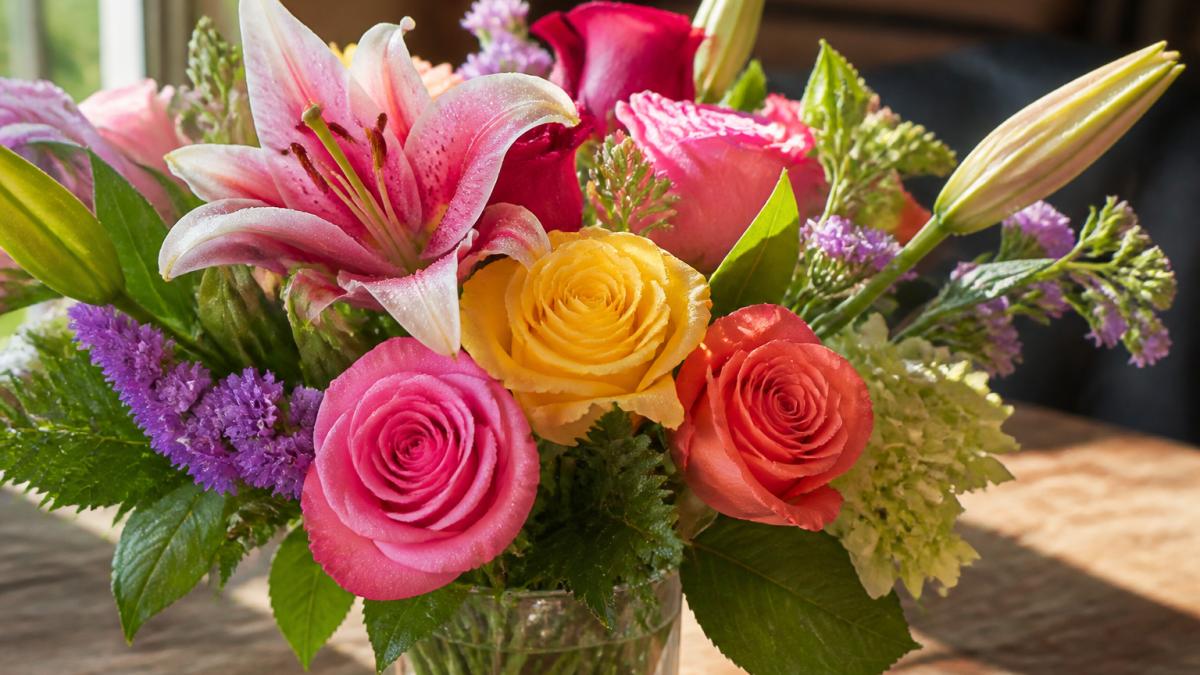
Consider the recipient’s personality and preferences. Bright, bold colors like deep reds, oranges, and purples suit people who love attention and energy. Soft pastels, blush pink, pale yellow, lavender, work better for someone who prefers understated elegance. If you’re unsure, a mixed arrangement combining multiple colors and flower types is always safe.
Sunflowers convey cheerfulness and optimism, making them perfect for someone who radiates positivity. Gerbera daisies come in nearly every color imaginable and feel youthful and fun. Roses remain the most recognizable choice and work for any age or relationship. Lilies add drama and sophistication to any arrangement.
The seasonal availability of flowers affects both quality and cost. Spring and summer offer the widest selection of fresh flowers for birthdays. Winter arrangements may rely more on imported varieties or greenhouse blooms, which are still beautiful but sometimes less abundant.
Ask your florist what’s at peak freshness when you order. A bouquet made with flowers at their prime will last longer and look more vibrant than one made with flowers that are past their peak, even if the second option includes your preferred variety.
Same-Day Birthday Flower Delivery: What You Need to Know
Same-day delivery for birthday flowers is possible, but it requires understanding the logistics and planning accordingly. Most florists, including An English Garden, offer same-day delivery when you order early enough in the day. The exact cutoff time varies, but ordering before noon gives you the best chance of same-day service.
Same-day delivery works because local florists design arrangements on-demand rather than pre-making them. When you place an order in the morning, your florist has time to source the freshest flowers available that day, arrange them with care, and deliver them before evening.
Delivery areas matter significantly. Florists typically serve their immediate region and surrounding communities. An English Garden delivers to over 30 cities each day, which means same-day service is reliable within that service area. If the birthday person lives outside the service zone, same-day delivery may not be possible, though next-day delivery usually is.
The delivery window for same-day orders is typically broader than scheduled deliveries. You might request “sometime this afternoon” rather than a specific hour. If you need flowers to arrive at a particular time, say, before a birthday dinner, order a day in advance and request a specific delivery window. Same-day orders are handled on a first-come, first-served basis, so timing is less guaranteed.
Ordering same-day flowers close to closing time risks your arrangement being made hastily or not being delivered until the next day. If the birthday person is celebrating in the evening, order before mid-morning to ensure arrival during daylight hours.
How Long Do Fresh Flowers Last After Delivery
Most fresh flowers last between 7 and 14 days after delivery, depending on the varieties included, how they’re handled after arrival, and the conditions where they’re displayed.
Freshness at delivery is the single biggest factor in longevity. Local delivery, like what An English Garden provides within its service area, means flowers spend minimal time in transit and arrive in peak condition.
Temperature and humidity during shipping affect freshness dramatically. Flowers are sensitive to heat, cold, and dehydration. When you order from a local florist, this journey is hours, not days, which preserves the flowers’ lifespan significantly.
The condition of the flowers when they arrive matters too. Look for petals that are fully opened but not browning at the edges, stems that are firm and green (not mushy or discolored), and leaves that are vibrant and turgid. If flowers arrive damaged or with wilted petals, contact your florist immediately. Most reputable florists offer replacement guarantees for flowers that don’t arrive in excellent condition.
How to Make Cut Flowers Last Longer: Care Tips That Work
Proper care after delivery extends the vase life of fresh flowers significantly. The most important steps are simple: trim the stems, change the water frequently, and keep the arrangement away from heat and ripening fruit.
Trim about an inch off the bottom of each stem at a 45-degree angle using a sharp knife or floral scissors. This increases the surface area for water absorption and removes any stem tissue that may be blocked or damaged. Trim the stems every few days as you refresh the water.
Change the water completely every two to three days. Don’t just top it off, empty the vase, rinse it thoroughly, and refill it with fresh, cool water. As flowers drink and decay, bacteria and debris accumulate in the water. Stale water is one of the main reasons cut flowers wilt prematurely.
Remove any leaves that would sit below the waterline. Submerged foliage decays and introduces bacteria into the water, shortening the life of the entire arrangement. Strip leaves from the lower portion of each stem before placing it in the vase.
Keep the arrangement in a cool location, away from direct sunlight, heating vents, and ripening fruit. Sunlight accelerates the aging process in flowers, as does warmth. A spot on a side table in a cool room is ideal. Ripening fruit emits ethylene gas, which causes flowers to age rapidly.
If your vase came with a packet of flower food, use it. Flower food contains nutrients and biocides that extend vase life.
Ordering Flowers Online: Pricing, Delivery Areas, and What to Expect
Ordering fresh flowers for birthdays online offers convenience and the ability to browse arrangements before committing. Most florists, including An English Garden, maintain secure 24-hour online ordering so you can place your order whenever it’s convenient for you.
When you order online, you’ll typically select a bouquet style, choose any add-ons like chocolates or a greeting card, provide delivery details, and pay. The process takes just a few minutes. Pricing depends on the arrangement size, the specific flowers included, the season, and your delivery location. Delivery fees vary based on distance and local service area. For current pricing and to confirm delivery availability to your recipient’s location, visit An English Garden’s website or contact them directly.
Delivery areas are defined by the florist’s operational range. An English Garden delivers to over 30 cities each day, covering a substantial service area. Before ordering, confirm that the recipient’s address falls within the delivery zone. If they live outside the service area, ask about next-day delivery options or whether a partner florist in their region can fulfill the order.
When you order online, you’ll receive a confirmation email with your order details. Many florists provide tracking information or a delivery confirmation once the arrangement has been delivered. Some offer optional delivery notifications so you know exactly when the flowers arrive.
Online ordering works best for birthdays you plan in advance or remember the day before. For same-day orders, a quick phone call to confirm availability and delivery time is often faster than navigating the website, especially during busy seasons.
Pairing Flowers with Birthday Gifts and Personal Messages
Fresh flowers are beautiful on their own, but they’re even more meaningful when paired with a personal message or a complementary gift. A handwritten birthday card tucked into the arrangement adds warmth that a generic message can’t match.
Pairing flowers with a small gift creates a more complete present. Chocolates are a traditional pairing, the sweetness complements the beauty of the flowers. An English Garden offers a wide selection of unique gifts including plants, gourmet baskets, and home decor, so you can build a complete gift package that feels thoughtful and complete.
For someone who loves coffee or tea, pair flowers with a specialty blend or a beautiful mug. For someone who enjoys reading, add a book or a literary candle. For someone who gardens, include a small plant or gardening tool. The pairing should reflect something you know about them.
A personal message elevates the entire gift. Instead of a generic “Happy Birthday,” try something like: “Your kindness means everything to me. I hope your day is as bright as these flowers.” Or: “Thirty looks good on you.
The presentation matters too. Ensure the arrangement is displayed prominently where the birthday person will see it immediately. A bouquet hidden in a corner loses its impact. Ask the recipient to place it somewhere visible, on a dining table, entryway, or bedroom dresser, where they’ll enjoy it throughout the day and beyond.
Conclusion
Sending fresh flower delivery for birthdays is one of the most reliable ways to make someone’s day brighter. Whether you’re celebrating someone nearby or across the country, a thoughtfully chosen bouquet with proper care instructions will arrive fresh and last long enough to become part of their birthday memory.
At An English Garden, we’ve spent over 32 years perfecting the art of creating birthday arrangements that capture the joy of the occasion. Our 24-hour secure online ordering makes it easy to send flowers whenever you remember, and our delivery to over 30 cities each day means we can reach the people you care about. When you choose An English Garden, you’re choosing a local florist with the expertise to guide you toward the perfect arrangement and the commitment to deliver it fresh. Start browsing our birthday bouquets today, or call to discuss a custom arrangement tailored to the birthday person’s personality and preferences.
Frequently Asked Questions
Can you get fresh flower delivery for birthdays the same day?
Yes, same-day birthday flower delivery is available when you order before the cutoff time. Local florists offering same-day delivery typically require orders placed by mid-morning or early afternoon. Delivery windows vary by service area and day of the week. Contact your local florist directly to confirm same-day availability for your recipient’s location and confirm the exact delivery date and window.
How long do fresh flowers last after birthday delivery?
Fresh flowers typically last 7 to 14 days after delivery, depending on the flower variety and care. Proper care, including fresh water daily, removing lower leaves, and keeping flowers away from heat and direct sunlight, extends vase life significantly and keeps your birthday bouquet vibrant longer.
What are the best flowers to choose for a birthday bouquet?
Roses, lilies, sunflowers, and gerbera daisies are popular birthday choices because they’re colorful, long-lasting, and convey celebration. Roses symbolize love and appreciation, lilies add elegance and fragrance, sunflowers bring cheerful energy, and gerberas offer bold, playful colors. Mixed arrangements combining several varieties create visual interest and extend the overall bouquet lifespan. Consider the recipient’s favorite colors and whether they prefer fragrant or non-fragrant flowers.
How can I keep a birthday bouquet fresh longer?
Change the water every two days and re-cut the stems at a 45-degree angle before placing flowers back in the vase. Remove any leaves that sit below the waterline to prevent bacterial growth. Keep the bouquet away from ripening fruit, direct sunlight, heating vents, and drafts. Use flower food if provided. These steps significantly extend freshness and keep your birthday flowers vibrant throughout their vase life.