Posted on — Leave a comment

Benefits of Seasonal Flower Arrangements for Your Home

Last Updated: November 12, 2026

Quick Summary

Seasonal flower arrangements are bouquets built around blooms at their natural peak, so they are fresher, often longer-lasting, and usually lower in cost than year-round imports. Choosing seasonal flower stems also gives your home more character, since each arrangement reflects the moment it is sent.

  • Seasonal flowers are cut near peak with short transit, while imports spend days in transit.
  • Fresh flowers typically last five to seven days, but chrysanthemums and carnations can run two weeks or more.
  • Trim stems at an angle, strip leaves below the waterline, and change the water every two days.
  • Daffodil sap is harmful to other flowers, so condition them in their own vase first.
  • Local growing means fewer miles traveled, less refrigeration, and a smaller carbon footprint.
Why do seasonal bouquets last longer?An English Garden builds each arrangement around fresh, in-season blooms and delivers them daily across the area.

Order Seasonal Flowers

Table of Contents

Why Seasonal Flower Arrangements Beat Year-Round Imports

Seasonal flower arrangements are bouquets built around blooms that are at their natural peak right now, rather than stems flown in from another hemisphere. This simple difference often decides how a bouquet looks on day one and how long it lasts after.

That is the core argument of this guide, and everything below builds on it. Seasonal flowers are not a compromise or a budget substitute. Many people find them the fresher choice.

The difference often shows up in freshness, since locally grown stems can reach the vase sooner, and in character, since a seasonal bouquet reflects the moment it is sent.

Below, we break down what to expect month by month, how seasonal and year-round flowers compare, and how to get the longest life from every stem.

Seasonal Flowers by Month: What to Expect Through the Year

Seasonal flowers by month follow a predictable rhythm, but the exact timing shifts with where you live, the weather that year, and whether stems are field-grown or greenhouse-forced. A useful rule: treat any month-by-month list as a range, not a schedule, and confirm availability with your florist the week you order.

How Region and Growing Zone Shift the Calendar

Many cut flowers sold in the United States are field-grown in warmer growing regions, or in heated greenhouses in cooler ones. That means a “spring” tulip may arrive early from a greenhouse or later from a field, depending on region. If you live in a cold-climate state, your local field season is shorter and starts later; if you live in a warm-climate state, many “summer” blooms appear weeks earlier and last into fall.

A practical approach is to ask three questions before ordering: Is this bloom field-grown or greenhouse-grown right now? Is it coming from a local farm or shipped in? And how many weeks into its natural window are we? A florist who works with local growers may be able to answer all three.

Spring (March-May)

Spring is the season of bulbs and early perennials. Expect tulips, daffodils, hyacinths, and lilac first, followed by ranunculus, anemones, and the earliest peonies in warm zones. In cold-climate regions, spring field blooms may not peak until late April or May, while warm-climate growers may finish tulips by early April. Tulips continue to grow in the vase after cutting, so arrange them with room to spare and expect stems to lean toward light.

Summer (June-August)

Summer is the most abundant and most affordable window for field-grown flowers. Peonies have a short but intense run, often just three to four weeks in a given region. Sunflowers, zinnias, dahlias, and garden roses follow and hold through the heat. Dahlias are the standout of late summer into early fall in most zones. Warm-climate growers may see summer blooms start in May; cool-climate growers may not hit peak until July.

Fall (September-November)

Fall shifts to chrysanthemums, marigolds, celosia, and dried accents, with dahlias often continuing until the first hard frost. In warm zones, the fall season can stretch into December; in cold zones, field production winds down by October and growers rely on greenhouse and imported stems. This is the season when local availability narrows fastest, so substitutions become more common.

Winter (December-February)

Winter arrangements often rely on greenhouse-grown and imported stems, since field-grown flowers are generally unavailable in cold regions during winter. If winter seasonality matters to you, ask for greenhouse-grown or domestic stems and accept that variety will be narrower.

Seasonal Availability Trade-Offs and Substitutions

A common trade-off of buying seasonally is narrower selection. If you need a specific bloom out of its window, a florist can usually substitute while preserving color, shape, and budget: a white ranunculus can stand in for a white peony, a spray rose for a garden rose, or a chrysanthemum for a dahlia in a pinch. Ask your florist to match the arrangement’s palette and silhouette rather than a single stem, and you will rarely notice the swap. For a look at how this plays out in practice, browse the Fresh Flower Pumpkin for fall, the Winter Moonlight Bouquet for winter, or Spring In The Countryside when the season turns.

Seasonal vs. Year-Round Flowers: A Side-by-Side Look

Seasonal flowers win on freshness, price, and character; year-round imports win on one thing only, exact variety on demand. That trade-off is worth understanding before you order.

Factor Seasonal Flowers Year-Round Imports
Freshness Cut near peak, short transit Days in transit before arrival
Vase life Typically longer Often shorter
Cost Lower when in abundance Higher, reflects shipping
Variety What the season offers Any bloom, any time
Character Reflects the moment Uniform year-round

A common approach is to order seasonal for everyday gifts and celebrations, and accept substitutions when a specific bloom is out of season. Most customers find the seasonal version looks better anyway.

How Long Do Fresh Flowers Last? Setting Realistic Expectations

Fresh flowers typically last five to seven days in a vase, though some blooms hold much longer. Chrysanthemums and carnations can run two weeks or more. Delicate blooms like dahlias and sweet peas may fade in four or five days. Tropical stems such as orchids and anthurium often outlast everything else in the arrangement.

Season affects the clock. Warm weather speeds aging, so summer bouquets need more attention than winter ones. Stems harvested at peak and delivered quickly start with an advantage that no amount of care can fully replace in an older stem.

The honest answer: expect about a week from most mixed bouquets, plan on refreshing the water every other day, and you will usually beat that estimate. If a bouquet fades in three days, the problem is almost always handling before it reached you, not the flowers themselves.

How to Keep Fresh Flowers Alive Longer: Care Tips That Work

The single biggest factor in vase life is clean water and a fresh cut. Everything else is secondary.
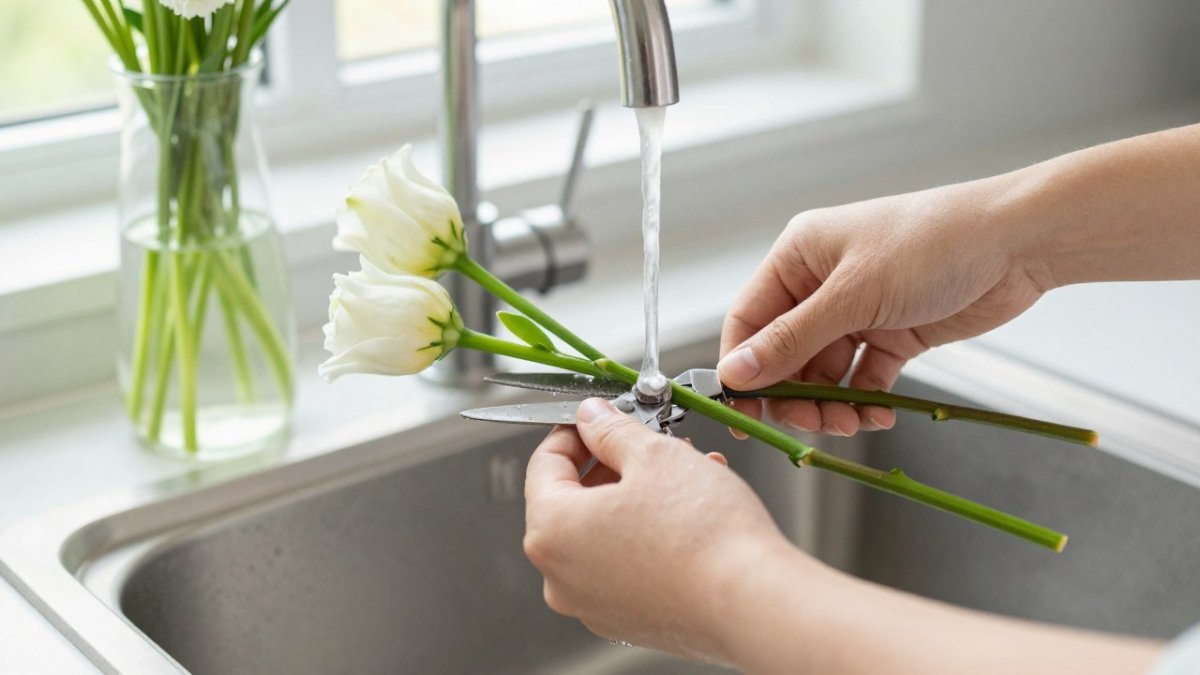
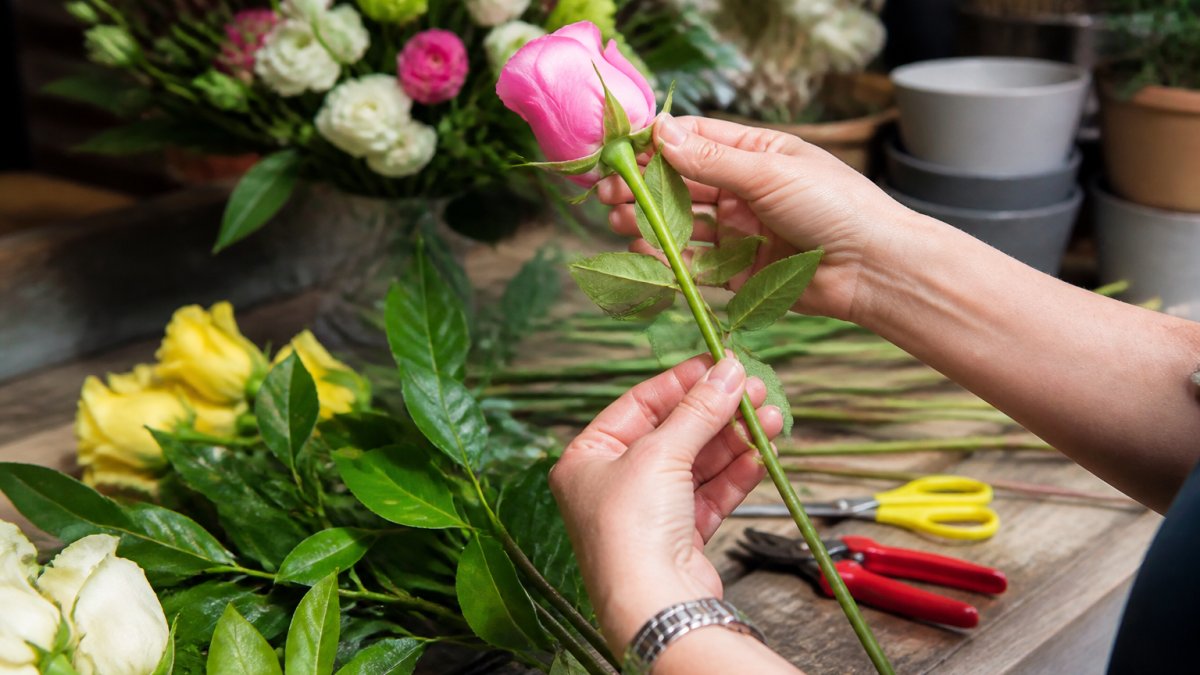
Hands trimming a seasonal flower stem at an angle under running water in a kitchen sink before placing it in a vase

Here is a routine that many florists recommend:

  1. Trim stems at an angle with sharp shears, removing about an inch. An angled cut exposes more surface for water uptake.
  2. Strip leaves below the waterline. Submerged foliage rots and clouds the water.
  3. Use a clean vase. Rinse it with hot water before arranging.
  4. Change the water every two days and re-trim stems each time.
  5. Keep flowers out of direct sun and away from ripening fruit, which releases ethylene that speeds wilting.
  6. Skip the aspirin and pennies. They do not work. A commercial flower food packet does.

Watch out: dropping stems into a vase without a fresh cut is the most common mistake. A stem that has been out of water even an hour seals over at the base and cannot drink.

Flower-by-Flower Conditioning

Different stems need different handling. Tulips and daffodils should be cut and conditioned separately: daffodil sap is harmful to other flowers, so place them in their own vase for a few hours before mixing. Poppies and poinsettias need their stem ends seared with a flame or dipped in boiling water for a few seconds to stop sap flow. Woody stems like lilac and hydrangea benefit from a vertical slit or a light crush at the base to improve water uptake. Hydrangeas wilt easily; if they droop, re-cut the stems and submerge the entire bloom head in cool water for 20 to 30 minutes. Roses should be cut under water if possible and stripped of thorns below the waterline. Dahlias and sweet peas are delicate and do best in shallow, cool water changed daily.

Water Quality and Flower Food

Tap water varies widely in mineral content and pH, and hard water can shorten vase life. If your water is very hard, use filtered water or let tap water sit overnight. Commercial flower food typically contains sugar and other additives; follow the label directions. Homemade mixes of sugar and vinegar or bleach can work in a pinch but are easy to get wrong, and too much sugar feeds bacteria. Stems in flower food often last longer than stems in plain water.

Placement and Temperature

Keep arrangements in a cool spot out of direct sun, heating vents, and drafts. Warm rooms speed aging, so a summer bouquet needs more attention than a winter one. Ethylene from ripening fruit, cigarette smoke, and exhaust can shorten life, so keep flowers away from the fruit bowl and the garage. In warm weather, you can refrigerate arrangements overnight to slow aging, but keep them away from produce.

Troubleshooting Common Problems

If stems go limp while the water is clean, the cut has sealed; re-trim and change the water. If water turns cloudy within a day, bacteria are blooming; clean the vase and re-cut. If blooms fail to open, they were likely cut too tight or stored too cold. If leaves yellow while blooms look fine, submerged foliage is rotting. For the full step-by-step version, read our guide on how to keep fresh flowers alive longer.

The Mood, Decor, and Sustainability Payoff of Local Blooms

Fresh flowers can do more than decorate a room. Many people find that a vase of blooms adds natural fragrance and a focal point to a space.

Local growing shortens the transport distance between field and vase. That means fewer miles traveled, less refrigeration, and a smaller carbon footprint than stems flown in from another continent. Many buyers also value supporting local growers directly, and the quality difference is easy to see.

The environmental case and the quality case point the same direction. A seasonal, locally grown bouquet is usually the fresher, more sustainable, and more distinctive choice. For a deeper look at why local stems outlast imports, see our grower’s guide to why local flowers last longer.

Ordering Seasonal Arrangements from An English Garden

The best way to enjoy seasonal flowers is to order from a florist who works with the season rather than against it. An English Garden has served the area for over 32 years, with secure 24-hour online ordering and delivery to over 30 cities each day.

We also handle occasions that need care and precision, including wedding design with on-site decorating, sympathy and funeral arrangements delivered to local funeral homes and hospitals, and corporate accounts. An award-winning designer is on staff.

Pricing depends on the arrangement, quantity, and delivery date, so check our site for current options or ask for a quote.


Seasonal flowers reward the buyer who plans around what is growing, not against it.

Frequently Asked Questions

Are seasonal flowers fresher than imported flowers?

Many people find seasonal blooms fresher, since they are often harvested closer to peak. Freshness also depends on handling and care after purchase.

Do seasonal flowers cost less than out-of-season flowers?

Often they do. When a flower is in abundance locally, growers and florists can offer more competitive pricing than they can for stems flown in out of season. Exact costs depend on the specific bloom, quantity, and delivery date, so check with your florist for current pricing rather than assuming a fixed number.

How do I choose flowers that are in season?

Ask your local florist what was harvested recently, or check a seasonal flowers by month guide for your region. Look for stems with firm petals, healthy green leaves, and no drooping. In-season blooms like tulips in spring or dahlias in late summer are usually the freshest and most affordable options on the shelf.

Are seasonal flowers more sustainable?

They can be. Locally grown, in-season flowers travel shorter distances, which reduces transport distance and the associated carbon footprint compared with imported or out-of-season stems. Sustainable floristry also favors reusable vessels and fewer chemical treatments, though the exact impact depends on how the flowers were grown and delivered.

Posted on — Leave a comment

Why Do Local Florists Provide Better Quality?

Last Updated: October 25, 2026

Quick Summary

Local florists quality stands out because blooms travel hours rather than weeks, arriving at their peak freshness from regional growers within 1-2 days. This short supply chain means flowers last 7-14 days with proper care, compared to 3-5 days for grocery store flowers that spend days in transit and storage.

  • Local florists receive fresh shipments multiple times per week, sometimes daily, keeping inventory fresh.
  • Flowers from quality local florists typically last 7-14 days versus 3-5 days from grocery stores.
  • Local florists can substitute flowers based on freshness and offer custom designs tailored to your needs.
  • Grocery store flowers spend 5-10+ days in the supply chain before reaching shelves.
  • Direct communication with local florists lets you ask about flower origin, arrival time, and preservatives used.

Table of Contents

The Freshness Advantage of Local Florists

When you buy flowers from a local florist, you’re getting blooms that traveled hours, not weeks, which is why local florists quality stands out. This matters more than most people realize. The difference between fresh flowers and stale ones isn’t subtle, it’s the difference between a bouquet that lasts two weeks and one that wilts in three days.

Local florists source their flowers from regional growers or wholesalers within a day or two of design. That short timeline means the flowers arrive at their peak. Grocery store flowers, by contrast, are often shipped across the country or even internationally. They spend time in cold storage, in transit, and sitting on shelves before you ever see them. By the time you bring them home, they’ve already lost days of vase life.

The supply chain matters because flowers are living plants. Every hour in transit, every temperature fluctuation, every delay in hydration chips away at how long they’ll last in your home. At An English Garden, we work with growers and wholesalers we know personally. We can track exactly where our flowers come from and how quickly they reach our design studio. That transparency isn’t a luxury, it’s the foundation of quality.

Local Florist vs Grocery Store Flowers: What’s the Real Difference

The choice between a local florist and a grocery store comes down to one core question: who controls the supply chain? Local florists control theirs. Grocery stores don’t.

When a grocery store orders flowers, they’re buying from the same wholesale distributors as thousands of other retailers. The flowers are packed, shipped, and warehoused for days before arriving at the store. They sit in a cooler under fluorescent lights, often without proper hydration systems. By the time you pick them up, they’ve been through multiple hands and multiple temperature changes. Nobody in that chain has a stake in whether the flowers actually last once you get them home.

A local florist has a stake in your experience. If your flowers die in two days, you’ll remember that. You might tell friends. You won’t come back. That accountability changes everything about how we source, handle, and design flowers.

Here’s the practical difference:

Factor Local Florist Grocery Store
Time from harvest to design 1-2 days 5-10+ days
Temperature control in transit Consistent Variable
Hydration during storage Active Minimal
Handling by specialists Yes Minimal
Customization available Full Limited
Accountability for quality Direct Indirect

Local florists also have the ability to substitute. If a specific flower isn’t available or isn’t fresh enough, we can recommend an alternative that’s equally beautiful and will last longer. Grocery stores follow a set order. If the roses aren’t perfect, they still go on the shelf.

Where Do Florists Get Their Flowers and Why It Matters

Understanding where your flowers come from explains why freshness varies so dramatically between sources.

Most local florists source from one or more of these channels: regional growers within a few hours’ drive, regional wholesalers who work with multiple growers, and sometimes direct relationships with specialty growers for premium blooms. The key is proximity and frequency.

Grocery stores and mass-market florists buy from large national or international distributors. These distributors consolidate flowers from many growers, sometimes from different countries, into massive shipments. The flowers are packed tightly, treated with preservatives, and shipped via refrigerated truck or air freight.

Regional growers understand their local climate and what blooms well seasonally. They can tell us what’s at peak freshness right now, not what’s available year-round through imports. That’s why local florists can offer seasonal arrangements that actually make sense, not just flowers that were flown in from halfway around the world.

The sourcing model also affects price and sustainability. Shorter supply chains mean lower transportation costs and a smaller carbon footprint. You’re also supporting growers and businesses in your region, not funding long-haul air freight for flowers that could have been grown locally.

At An English Garden, we’ve built relationships with growers and wholesalers we trust, and that commitment to local florists quality is evident in every arrangement. We know their practices, their handling standards, and their commitment to quality. That knowledge isn’t something you can get from a grocery store employee restocking the cooler.

How to Tell If Flowers Are Fresh Before You Buy

Freshness is visible if you know what to look for. Before you commit to an arrangement, inspect it carefully.

Start with the stems. Fresh stems are firm and have a bright, clean cut. The color should be vibrant, green or light green, not brown or gray. If the stem feels soft or hollow, the flower has been sitting for days. Bend a stem gently.

Next, check the petals and blooms. Fresh flowers have petals that feel slightly firm and waxy. They should be tightly clustered or just beginning to open, not already fully blown out. Look for any browning, bruising, or translucent spots on the edges.

The leaves matter too. Foliage should be crisp and green, not yellowed or wilted. If leaves are drooping or discolored, the entire arrangement is past its prime.

Close-up of hands examining fresh cut flowers, checking stem color and petal texture, with focus on green stems and vibrant petals in natural light

Ask the florist direct questions. How long have these flowers been in the shop? When did they arrive? What preservatives are included? A florist who can answer these questions confidently has nothing to hide. If they can’t or won’t answer, that’s a red flag.

When you order from a local florist like An English Garden, you can call or visit in person. You can see the flowers before they’re arranged. You can ask for specific varieties or colors.

How Long Do Fresh Flowers Last When You Choose Quality

The lifespan of fresh flowers depends almost entirely on how fresh they were when you got them and how well you care for them afterward.

Get Started Today →

Flowers from a quality local florist typically last 7-14 days with proper care. But the starting point matters enormously. A fresh rose lasts three times longer than an old one.

Grocery store flowers often last only 3-5 days because they’re already partially through their lifespan before you bring them home. You’re not getting a fresh product; you’re getting what’s left after days in transit and storage.

The difference compounds quickly. If you spend the same amount on flowers, you want them to last as long as possible. A local florist’s flowers give you better value because they’re actually fresh when you receive them. You’re paying for quality, not for flowers that are already declining.

To maximize vase life, change the water every two days, trim stems at a 45-degree angle, remove lower leaves, keep flowers away from direct sunlight and heat, and use the flower food included with your arrangement. These steps work best on flowers that started fresh. They can’t resurrect flowers that were already aging.

You can explore more detailed care strategies by reviewing how to keep fresh flowers alive longer, which covers the full range of techniques that extend the life of quality blooms.

Custom Design and Personalized Recommendations

This is where local florists genuinely shine, and where they create value that grocery stores simply can’t match.

When you work with a local florist, you’re not choosing from a pre-made selection. You’re describing what you want, and a designer creates it specifically for you. That process starts with questions: What’s the occasion? Who is this for? What colors do they love? What’s your budget?

A skilled florist listens to the answers and translates them into a design. They know which flowers are in season and will last longest. They know which combinations are visually striking. They know how to work within a budget without compromising on quality or beauty.

This personalization matters for every occasion. For a wedding, a florist consults on design direction, color palettes, and how arrangements will photograph. For a funeral, they understand that the arrangement should reflect the person’s personality and the family’s preferences.

An English Garden specializes in custom design for weddings and special events, including on-site decorating. Explore our Designer Choice Bouquet to see examples of personalized arrangements we create. We work with you to understand your vision, your timeline, and your needs.

The personalized approach also means you get honest feedback. If you love a flower that won’t last long or won’t work with your other choices, a good florist tells you. They suggest alternatives that will give you the result you actually want, not just what you asked for.

Planning Your Next Floral Order with a Local Florist

The process of ordering from a local florist is straightforward, but it’s worth understanding what makes it different from ordering online from a mass-market vendor.

Start by identifying what you need. Are you ordering for a specific date? Do you have preferences for color, style, or type of flowers? What’s your budget?

Contact the florist directly. Call, visit in person, or use their online ordering system if they have one. You can browse our Florist Choice Bouquet to see what’s available or request a custom design.

Discuss timing. When do you need the flowers? If it’s for a specific event, give the florist as much notice as possible. For same-day delivery, call early in the day.

Be specific about delivery. Where should the flowers go? Do they need to arrive at a specific time? For funeral arrangements, coordinate directly with the funeral home or hospital.

Discuss alternatives and substitutions upfront. If a specific flower isn’t available, what would you prefer? A good florist will offer suggestions, but it helps to have a conversation about it before design begins.

Once you’ve placed your order, the florist handles the rest. They source fresh flowers, create the arrangement with care, and ensure delivery happens on schedule.


Choosing where to buy flowers shapes the entire experience, from the moment you place your order to how long the flowers last in your home. A local florist like An English Garden brings expertise, freshness, and accountability to every arrangement.

Frequently Asked Questions

Why do flowers from a local florist often last longer?

Local florists control the entire supply chain from sourcing through delivery, minimizing time in transit and storage. Flowers arrive fresher because they skip the lengthy distribution networks used by grocery stores and shipped arrangements. Professional florists also use proper cold-chain handling, specialized conditioning techniques, and expert arrangement practices that protect stems and extend vase life significantly compared to mass-market alternatives.

What’s the key difference between local florist vs grocery store flowers?

Local florist flowers are typically fresher, sourced through wholesale growers or local suppliers, and arranged by trained professionals who inspect quality before delivery. Grocery store flowers often sit in distribution centers for days, receive minimal care, and are pre-arranged without customization. Local florists offer direct communication, substitution transparency, and expertise in seasonal availability and flower care, services grocery stores cannot match.

How can you tell if cut flowers are fresh?

Check for firm, green stems without browning or sliminess, vibrant petal color without bruising, and flowers that feel crisp rather than wilted. Fresh flowers have tight buds or fully open blooms depending on the variety, not drooping heads. Ask your florist about the harvest date and condition, reputable local florists provide this information and can explain why certain flowers are in season. Avoid arrangements with yellowing leaves or a sour smell.

Where do florists get their flowers, and does it affect quality?

Local florists source from wholesale flower growers, cooperative networks, and sometimes local growers depending on season and availability. This direct sourcing eliminates middlemen and reduces transit time compared to the multi-step distribution used by big retailers. Florists who prioritize local and seasonal sourcing often achieve better freshness and can guarantee availability. Ask your florist about their sourcing practices, transparency here is a sign of quality and commitment to their craft.

Posted on — Leave a comment

Fresh Flower Delivery for Birthdays: A Complete Guide

Table of Contents

Last Updated: October 21, 2026

Why Fresh Flowers Make the Perfect Birthday Gift

A birthday bouquet delivers something no other gift can: immediate beauty, fragrance, and a personal touch that shows you’ve put genuine thought into the celebration. Fresh flowers for birthdays have been a tradition for generations because they work. They brighten a room, they make people smile the moment they arrive, and they carry a message that feels both timeless and sincere.

At An English Garden, we’ve been creating birthday arrangements for over 32 years, and we’ve learned what makes a floral gift truly memorable. It’s not just about picking pretty flowers and wrapping them up. It’s about understanding the person receiving them, choosing colors and varieties that match their personality, and ensuring the arrangement arrives fresh enough to last through their celebration and beyond.

Birthday flowers work because they’re celebratory by nature. Unlike sympathy arrangements, which convey respect and comfort, or romantic bouquets, which speak to devotion, birthday flowers say “Your day matters, and I’m thinking of you.” They’re appropriate for anyone on your list, a parent, friend, coworker, or partner, and they fit any budget.

The challenge most people face isn’t whether to send flowers, it’s how to choose the right ones and ensure they arrive in perfect condition. That’s what this guide covers.

Best Flowers for Birthdays: Choosing the Right Bouquet

The ideal birthday bouquet combines colors and varieties that feel celebratory without being overly formal or somber. Roses, lilies, gerbera daisies, tulips, and sunflowers are traditional birthday choices because they’re vibrant, long-lasting, and universally appealing. The specific flowers you choose should reflect something about the person celebrating.

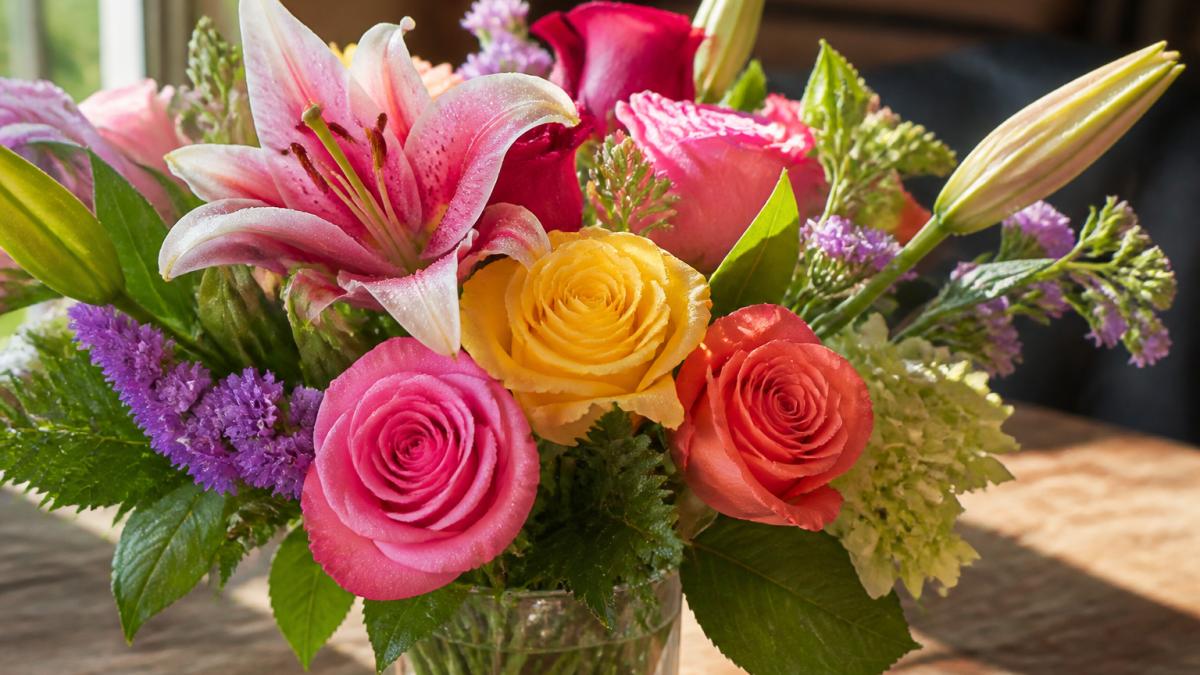
Close-up of a vibrant mixed birthday bouquet with roses, lilies, and seasonal flowers in a clear glass vase, showing fresh blooms with water droplets and morning light streaming across petals

Consider the recipient’s personality and preferences. Bright, bold colors like deep reds, oranges, and purples suit people who love attention and energy. Soft pastels, blush pink, pale yellow, lavender, work better for someone who prefers understated elegance. If you’re unsure, a mixed arrangement combining multiple colors and flower types is always safe.

Sunflowers convey cheerfulness and optimism, making them perfect for someone who radiates positivity. Gerbera daisies come in nearly every color imaginable and feel youthful and fun. Roses remain the most recognizable choice and work for any age or relationship. Lilies add drama and sophistication to any arrangement.

The seasonal availability of flowers affects both quality and cost. Spring and summer offer the widest selection of fresh flowers for birthdays. Winter arrangements may rely more on imported varieties or greenhouse blooms, which are still beautiful but sometimes less abundant.

Pro Tip
Ask your florist what’s at peak freshness when you order. A bouquet made with flowers at their prime will last longer and look more vibrant than one made with flowers that are past their peak, even if the second option includes your preferred variety.

Same-Day Birthday Flower Delivery: What You Need to Know

Same-day delivery for birthday flowers is possible, but it requires understanding the logistics and planning accordingly. Most florists, including An English Garden, offer same-day delivery when you order early enough in the day. The exact cutoff time varies, but ordering before noon gives you the best chance of same-day service.

Same-day delivery works because local florists design arrangements on-demand rather than pre-making them. When you place an order in the morning, your florist has time to source the freshest flowers available that day, arrange them with care, and deliver them before evening.

Delivery areas matter significantly. Florists typically serve their immediate region and surrounding communities. An English Garden delivers to over 30 cities each day, which means same-day service is reliable within that service area. If the birthday person lives outside the service zone, same-day delivery may not be possible, though next-day delivery usually is.

The delivery window for same-day orders is typically broader than scheduled deliveries. You might request “sometime this afternoon” rather than a specific hour. If you need flowers to arrive at a particular time, say, before a birthday dinner, order a day in advance and request a specific delivery window. Same-day orders are handled on a first-come, first-served basis, so timing is less guaranteed.

Watch Out
Ordering same-day flowers close to closing time risks your arrangement being made hastily or not being delivered until the next day. If the birthday person is celebrating in the evening, order before mid-morning to ensure arrival during daylight hours.

How Long Do Fresh Flowers Last After Delivery

Most fresh flowers last between 7 and 14 days after delivery, depending on the varieties included, how they’re handled after arrival, and the conditions where they’re displayed.

Freshness at delivery is the single biggest factor in longevity. Local delivery, like what An English Garden provides within its service area, means flowers spend minimal time in transit and arrive in peak condition.

Temperature and humidity during shipping affect freshness dramatically. Flowers are sensitive to heat, cold, and dehydration. When you order from a local florist, this journey is hours, not days, which preserves the flowers’ lifespan significantly.

The condition of the flowers when they arrive matters too. Look for petals that are fully opened but not browning at the edges, stems that are firm and green (not mushy or discolored), and leaves that are vibrant and turgid. If flowers arrive damaged or with wilted petals, contact your florist immediately. Most reputable florists offer replacement guarantees for flowers that don’t arrive in excellent condition.

How to Make Cut Flowers Last Longer: Care Tips That Work

Proper care after delivery extends the vase life of fresh flowers significantly. The most important steps are simple: trim the stems, change the water frequently, and keep the arrangement away from heat and ripening fruit.

Trim about an inch off the bottom of each stem at a 45-degree angle using a sharp knife or floral scissors. This increases the surface area for water absorption and removes any stem tissue that may be blocked or damaged. Trim the stems every few days as you refresh the water.

Get Started Today →

Change the water completely every two to three days. Don’t just top it off, empty the vase, rinse it thoroughly, and refill it with fresh, cool water. As flowers drink and decay, bacteria and debris accumulate in the water. Stale water is one of the main reasons cut flowers wilt prematurely.

Remove any leaves that would sit below the waterline. Submerged foliage decays and introduces bacteria into the water, shortening the life of the entire arrangement. Strip leaves from the lower portion of each stem before placing it in the vase.

Keep the arrangement in a cool location, away from direct sunlight, heating vents, and ripening fruit. Sunlight accelerates the aging process in flowers, as does warmth. A spot on a side table in a cool room is ideal. Ripening fruit emits ethylene gas, which causes flowers to age rapidly.

Pro Tip
If your vase came with a packet of flower food, use it. Flower food contains nutrients and biocides that extend vase life.

Ordering Flowers Online: Pricing, Delivery Areas, and What to Expect

Ordering fresh flowers for birthdays online offers convenience and the ability to browse arrangements before committing. Most florists, including An English Garden, maintain secure 24-hour online ordering so you can place your order whenever it’s convenient for you.

When you order online, you’ll typically select a bouquet style, choose any add-ons like chocolates or a greeting card, provide delivery details, and pay. The process takes just a few minutes. Pricing depends on the arrangement size, the specific flowers included, the season, and your delivery location. Delivery fees vary based on distance and local service area. For current pricing and to confirm delivery availability to your recipient’s location, visit An English Garden’s website or contact them directly.

Delivery areas are defined by the florist’s operational range. An English Garden delivers to over 30 cities each day, covering a substantial service area. Before ordering, confirm that the recipient’s address falls within the delivery zone. If they live outside the service area, ask about next-day delivery options or whether a partner florist in their region can fulfill the order.

When you order online, you’ll receive a confirmation email with your order details. Many florists provide tracking information or a delivery confirmation once the arrangement has been delivered. Some offer optional delivery notifications so you know exactly when the flowers arrive.

Best For
Online ordering works best for birthdays you plan in advance or remember the day before. For same-day orders, a quick phone call to confirm availability and delivery time is often faster than navigating the website, especially during busy seasons.

Pairing Flowers with Birthday Gifts and Personal Messages

Fresh flowers are beautiful on their own, but they’re even more meaningful when paired with a personal message or a complementary gift. A handwritten birthday card tucked into the arrangement adds warmth that a generic message can’t match.

Pairing flowers with a small gift creates a more complete present. Chocolates are a traditional pairing, the sweetness complements the beauty of the flowers. An English Garden offers a wide selection of unique gifts including plants, gourmet baskets, and home decor, so you can build a complete gift package that feels thoughtful and complete.

For someone who loves coffee or tea, pair flowers with a specialty blend or a beautiful mug. For someone who enjoys reading, add a book or a literary candle. For someone who gardens, include a small plant or gardening tool. The pairing should reflect something you know about them.

A personal message elevates the entire gift. Instead of a generic “Happy Birthday,” try something like: “Your kindness means everything to me. I hope your day is as bright as these flowers.” Or: “Thirty looks good on you.

The presentation matters too. Ensure the arrangement is displayed prominently where the birthday person will see it immediately. A bouquet hidden in a corner loses its impact. Ask the recipient to place it somewhere visible, on a dining table, entryway, or bedroom dresser, where they’ll enjoy it throughout the day and beyond.

Conclusion


Sending fresh flower delivery for birthdays is one of the most reliable ways to make someone’s day brighter. Whether you’re celebrating someone nearby or across the country, a thoughtfully chosen bouquet with proper care instructions will arrive fresh and last long enough to become part of their birthday memory.

At An English Garden, we’ve spent over 32 years perfecting the art of creating birthday arrangements that capture the joy of the occasion. Our 24-hour secure online ordering makes it easy to send flowers whenever you remember, and our delivery to over 30 cities each day means we can reach the people you care about. When you choose An English Garden, you’re choosing a local florist with the expertise to guide you toward the perfect arrangement and the commitment to deliver it fresh. Start browsing our birthday bouquets today, or call to discuss a custom arrangement tailored to the birthday person’s personality and preferences.

Frequently Asked Questions

Can you get fresh flower delivery for birthdays the same day?

Yes, same-day birthday flower delivery is available when you order before the cutoff time. Local florists offering same-day delivery typically require orders placed by mid-morning or early afternoon. Delivery windows vary by service area and day of the week. Contact your local florist directly to confirm same-day availability for your recipient’s location and confirm the exact delivery date and window.

How long do fresh flowers last after birthday delivery?

Fresh flowers typically last 7 to 14 days after delivery, depending on the flower variety and care. Proper care, including fresh water daily, removing lower leaves, and keeping flowers away from heat and direct sunlight, extends vase life significantly and keeps your birthday bouquet vibrant longer.

What are the best flowers to choose for a birthday bouquet?

Roses, lilies, sunflowers, and gerbera daisies are popular birthday choices because they’re colorful, long-lasting, and convey celebration. Roses symbolize love and appreciation, lilies add elegance and fragrance, sunflowers bring cheerful energy, and gerberas offer bold, playful colors. Mixed arrangements combining several varieties create visual interest and extend the overall bouquet lifespan. Consider the recipient’s favorite colors and whether they prefer fragrant or non-fragrant flowers.

How can I keep a birthday bouquet fresh longer?

Change the water every two days and re-cut the stems at a 45-degree angle before placing flowers back in the vase. Remove any leaves that sit below the waterline to prevent bacterial growth. Keep the bouquet away from ripening fruit, direct sunlight, heating vents, and drafts. Use flower food if provided. These steps significantly extend freshness and keep your birthday flowers vibrant throughout their vase life.

Posted on — Leave a comment

Why Local Flowers Last Longer: A Grower’s Guide

Table of Contents

Last Updated: October 16, 2026

Why Local Flowers Last Longer: The Harvest-to-Vase Timeline

The difference between local flowers and those shipped across the country comes down to time.

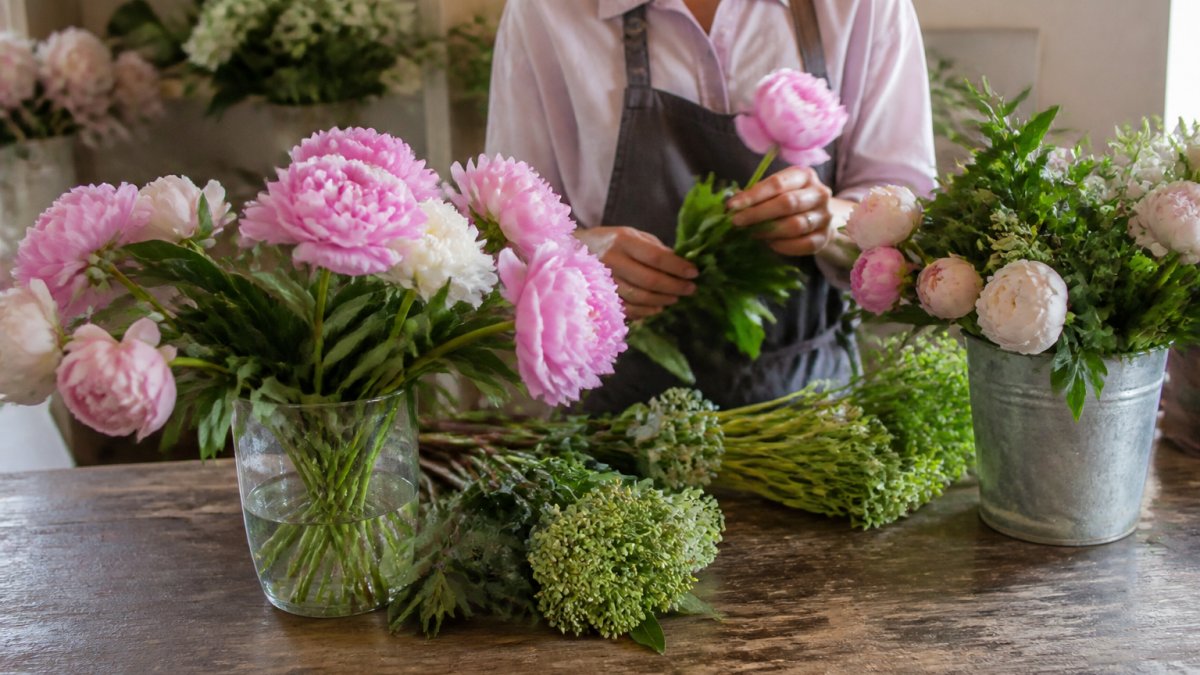
Florist examining freshly cut stems to ensure local flowers last longer in a sunlit shop

Cut flowers are living tissue: the moment a stem is cut, it begins to decline. Every hour in transit is an hour without water, and every delay shortens vase life.

Local flowers last longer because they spend less time stressed. At An English Garden, we work directly with local growers.

The harvest-to-vase timeline is the foundation of flower longevity.

How Long Do Fresh Flowers Last When Sourced Locally

Fresh flowers sourced locally typically last 7 to 14 days in a home vase, depending on the variety and care.

The timeline is longer with local flowers because they start fresher. Imported flowers often arrive already stressed and dehydrated after a week or more in transit.

Local sourcing doesn’t guarantee longevity on its own, a locally grown stem still needs proper care, but it gives you a head start instead of fighting days of transport.

Seasonal availability also plays a role: flowers grown locally in season tend to last longer than those forced into bloom off-season.

How to Make Cut Flowers Last Longer at Home

Making cut flowers last longer starts with what you do the moment they arrive. The first 24 hours are critical. Strip any leaves that would sit below the waterline in your vase. Leaves underwater trap bacteria and accelerate stem decay. Use a sharp knife to cut the stems at a 45-degree angle, which increases the surface area for water absorption.

Conditioning Your Stems

Conditioning prepares stems to absorb water efficiently. Cut your flowers and immediately place them in room-temperature water mixed with flower food. Let them sit in a cool, dark place for two to four hours before arranging them.

Conditioning gives the stem time to recover: the cool environment slows metabolism, water and nutrients move up the vascular system, and the flowers are stronger by the time you arrange them.

Many people skip conditioning and arrange straight from the box. Conditioned stems last noticeably longer, it’s one of the simplest and most effective steps.

Water Quality and Flower Food

Change your vase water every two to three days. Fresh water prevents bacterial buildup that clogs the stem’s water-absorbing channels. Use flower food if it came with your arrangement, it contains nutrients and biocides that extend vase life. If you don’t have flower food, a small amount of sugar and a few drops of bleach in fresh water works as a substitute.

When you change the water, trim about half an inch off the bottom at an angle to remove deteriorating tissue and open a fresh surface for absorption, a small step that extends vase life by days.

Environment Matters

Keep flowers away from direct sunlight, heat sources, and drafts. Sunlight speeds wilting, heat accelerates water loss, and drafts dry out petals. A cool room with indirect light is ideal.

Avoid ripening fruit, whose ethylene gas triggers early aging, and keep flowers away from heating vents and air conditioning. Stable, cool temperatures preserve freshness far longer than fluctuating conditions.

Longest-Lasting Cut Flowers by Season and Type

Vase life is a range, not one number, it shifts with species, harvest maturity, growing conditions, and post-cut handling. A locally grown and an imported stem of the same species can land in very different places on that range. Prioritizing the freshness inherent in locally grown botanicals ensures that your arrangements maintain their vitality and structural integrity far longer than those subjected to the rigors of international transit.

Here is a practical working range most growers and florists use, based on typical home-vase conditions with proper conditioning, cool placement, and water changes every two to three days:

Get Started Today →

Flower Typical vase life Notes on variability
Carnation 10-14 days One of the most durable cut flowers; tolerates warmer rooms better than most
Chrysanthemum 10-14 days Long-lived; benefits from frequent stem re-cuts
Rose 7-12 days Depends heavily on harvest stage; tight buds harvested too early may never open fully
Alstroemeria 7-14 days Long-lasting; sensitive to ethylene
Tulip 5-10 days Continues to grow in the vase; cool water and cool rooms extend life
Daffodil 5-8 days Sap is toxic to other flowers; condition separately
Sunflower 5-8 days Heavy drinker; wilts fast in warm rooms
Dahlia 4-7 days Short vase life even when local and fresh; re-cut stems every other day
Ranunculus 5-7 days Hollow stems; shallow water and cool placement help
Zinnia 5-7 days Sensitive to bacteria; clean water is critical

These ranges are not guarantees, just the middle of what most people see with decent care. A properly conditioned dahlia can outperform a poorly handled carnation.

Why the Same Flower Lasts Different Lengths

Three variables move vase life more than anything else:

  • Harvest maturity. Stems cut at the correct stage, buds showing color but not yet fully open for most species, last longer than stems cut too tight or too open. A grower who cuts to order can time this precisely. A grower cutting for a long supply chain often has to cut earlier to survive transit, which can shorten vase life even when the flower arrives looking fine.
  • Postharvest handling. The first few hours after cutting matter most. Stems that go straight into clean, cool water with flower food retain more of their potential vase life than stems that sit dry in a bucket or a box.
  • Transport temperature. Cool chain matters. Flowers held consistently near 34-38°F travel better than flowers that warm up and cool down repeatedly. A short local drive with minimal temperature swing is easier on stems than a multi-day trip through distribution centers.

Season Changes the Math

Seasonal growing conditions affect stem strength and stored energy. A peony harvested in its natural late-spring window opens more fully and holds longer than one forced under lights, and outdoor summer sunflowers and zinnias have sturdier stems than greenhouse versions sold off-season.

This is where local sourcing helps, not because local is magic, but because local growers sell what is actually in season.

Key Takeaway
Vase life is a range, not a fixed number. Local sourcing tends to push a stem toward the top of its range because it shortens the time between cutting and conditioning, but species, harvest stage, and home care still set the ceiling.

A Fair Comparison

It would be misleading to say every local bouquet outlasts every imported one, a well-handled imported rose can outlast a poorly handled local dahlia. What local sourcing reliably does is reduce the variables working against the stem: less transit time, fewer temperature swings, and a shorter window between harvest and water. That head start is real, but it is a head start, not a guarantee.

How to Tell If Flowers Are Fresh Before You Buy

At a farm stand, farmers market, or florist counter, you usually have a minute or two to judge a bouquet. These checks predict vase life, in the order they matter most.

1. Stem Condition

  • Firm, not soft. Gently pinch the stem just below the flower head. It should feel turgid and slightly cool. A stem that feels mushy, slimy, or hollow-sounding has already begun to break down.
  • Green, not brown. Look at the stem where it meets the water line in the bucket. Brown or black discoloration there means the stem has been sitting in old water and bacteria have started to block the vascular channels.
  • Clean cut, not crushed. A fresh angled cut absorbs water; a crushed or split stem end does not.
  • No visible slime. Any slick film on the submerged portion is a sign of bacterial growth.

2. Bloom Stage

  • Buds showing color, not fully open. For most species, roses, lilies, tulips, peonies, you want buds that are just cracking open or showing color. Fully open blooms have already spent part of their vase life on the plant or in the shop.
  • Some exceptions. Dahlias, zinnias, and sunflowers are usually sold open because they do not open well after cutting. For those, look for blooms that are fully open but still firm, with no brown edges on the petals.
  • No dropped pollen. Yellow pollen dust on the petals or the surface below means the bloom is past its peak.

3. Foliage

  • Crisp, not limp. Leaves should hold their shape. Limp or curling leaves suggest the stem has been out of water too long.
  • Uniform color. Yellowing lower leaves are a normal sign of age. Yellowing upper leaves usually mean the stem is stressed.
  • No spots or mildew. Dark spots, powdery patches, or fuzzy gray areas indicate disease that will spread in the vase.
  • Leaves below the waterline? If the bouquet is already sitting with submerged foliage, that is a red flag, those leaves will rot and feed bacteria.

4. Water Quality in the Display Bucket

  • Clear, not cloudy. Cloudy or discolored water means bacteria are already active in the bucket, and the stems have been drinking it.
  • No debris. Fallen petals, leaves, and stem fragments mean the bucket has not been refreshed.
  • Bucket level. Stems should be sitting in a few inches of water, not submerged halfway up. Deep water on woody stems can cause rot.

5. The Questions Worth Asking

A short conversation tells you more than any visual check:

  • “When were these cut?” A local grower will usually know the day, often the morning.
  • “Were they conditioned?” Conditioning, a few hours in clean water with flower food before arranging, is the single biggest postharvest step most buyers never ask about.
  • “How have they been stored?” Cool, out of direct sun, away from ripening fruit is the right answer.
Pro Tip
If you are buying at a farmers market, go early. The best-conditioned stems are usually gone within the first hour, and the grower is on hand to answer questions about harvest timing and variety.

What Freshness Does Not Tell You

A bouquet can look fresh and still have a short vase life ahead. Flowers cut too tight may never open, flowers held warm may have already lost days, and hidden stem damage below the waterline can cause collapse in 48 hours. That is why the checklist focuses on stem and water, the bloom is the last part to show stress.

A short supply chain makes these checks easier to pass. When flowers were cut yesterday and conditioned properly, the stem is firm, the water is clean, and the grower can tell you exactly when the stems left the field.

What Local Sourcing Does and Doesn’t Guarantee

Local sourcing guarantees shorter time from harvest to vase.

Local flowers arrive fresher, giving them a longer potential lifespan, but potential isn’t guaranteed.

Local sourcing also doesn’t guarantee year-round availability of every variety.

At An English Garden, we’ve built relationships with local growers over our 32 years in business.


Local flowers last longer because time is the enemy of cut blooms. Every hour in transit is an hour of lost freshness and reduced vase life.

Frequently Asked Questions

Why do local flowers last longer than imported ones?

Local flowers spend less time in transit and storage before reaching your vase. Imported cut flowers travel 24-72 hours or longer, during which they lose hydration and accumulate bacteria in the water uptake system. Locally grown stems move from harvest directly to the florist, reducing stress on the flower and preserving vase life significantly. The shorter timeline means fresher flowers with better conditioning and longer longevity.

How long do fresh local flowers typically last in a vase?

Fresh local flowers often last 10-14 days or longer with proper care, compared to 5-7 days for imported varieties. Vase life depends on flower type, season, and water maintenance. Hardy varieties like roses and carnations last longer than delicate blooms. Consistent water changes, cool room temperature, and regular stem trimming extend longevity. Local florists can advise on expected vase life for your specific arrangement.

What should I look for when buying fresh local flowers?

Check for firm, turgid stems that don’t bend or feel soft. Petals should feel crisp and full, not papery or bruised. Foliage should be vibrant green without yellowing or wilting. Ask the florist when the flowers were harvested, locally grown stems harvested within 24 hours are fresher. Avoid blooms with brown edges, drooping heads, or visible bacteria buildup in the water.

How do I make cut flowers last longer at home?

Trim stems at a 45-degree angle under running water before arranging. Use a clean vase with fresh, cool water and flower food to feed the stems and prevent bacteria. Change water every 2-3 days and re-trim stems each time. Place flowers in a cool location away from direct sunlight, heat, drafts, and ripening fruit. Remove lower leaves to prevent bacterial growth. These practices maintain water uptake through the xylem and capillary system, extending vase life significantly.