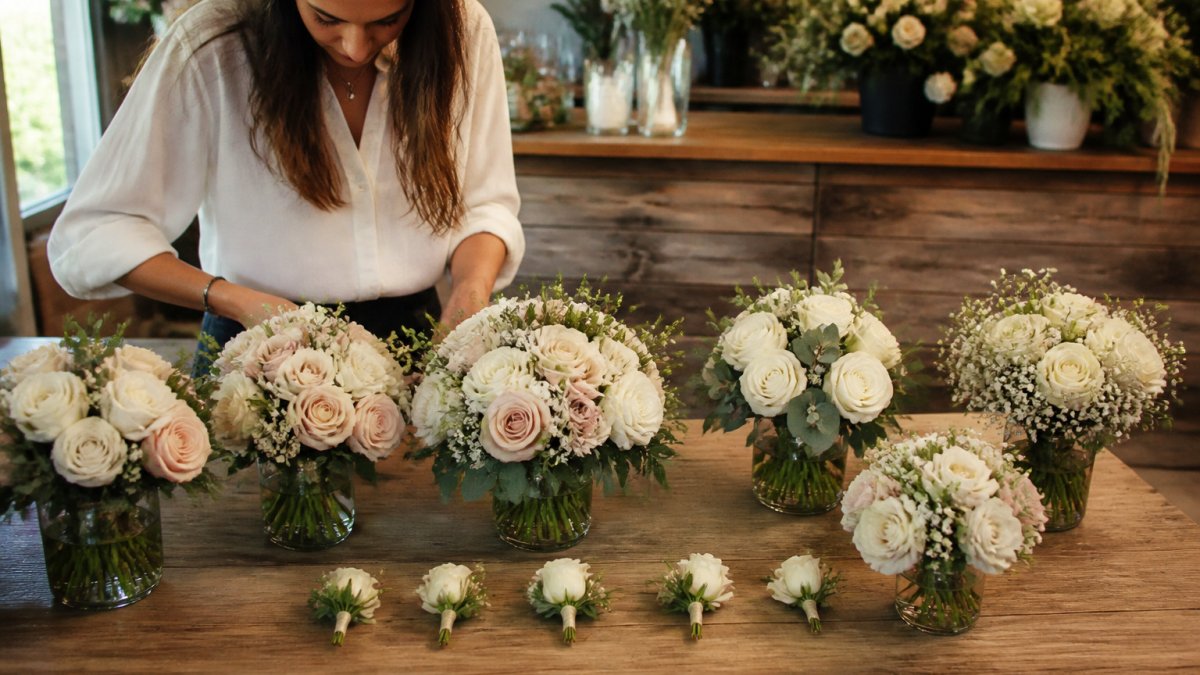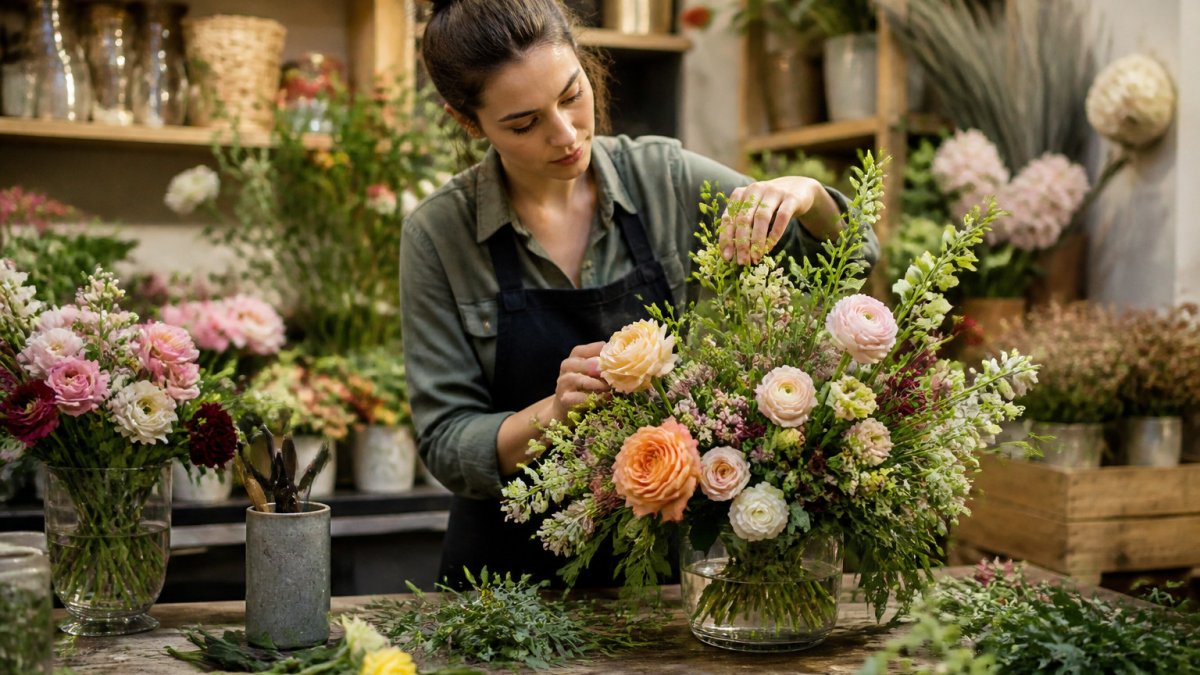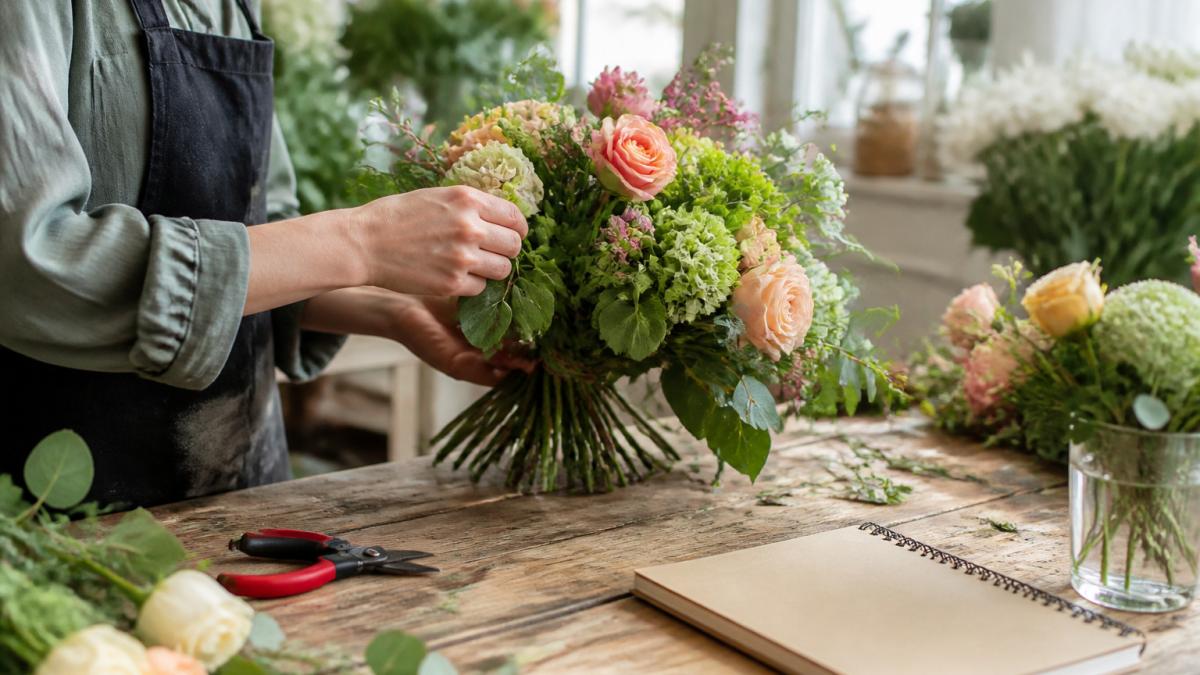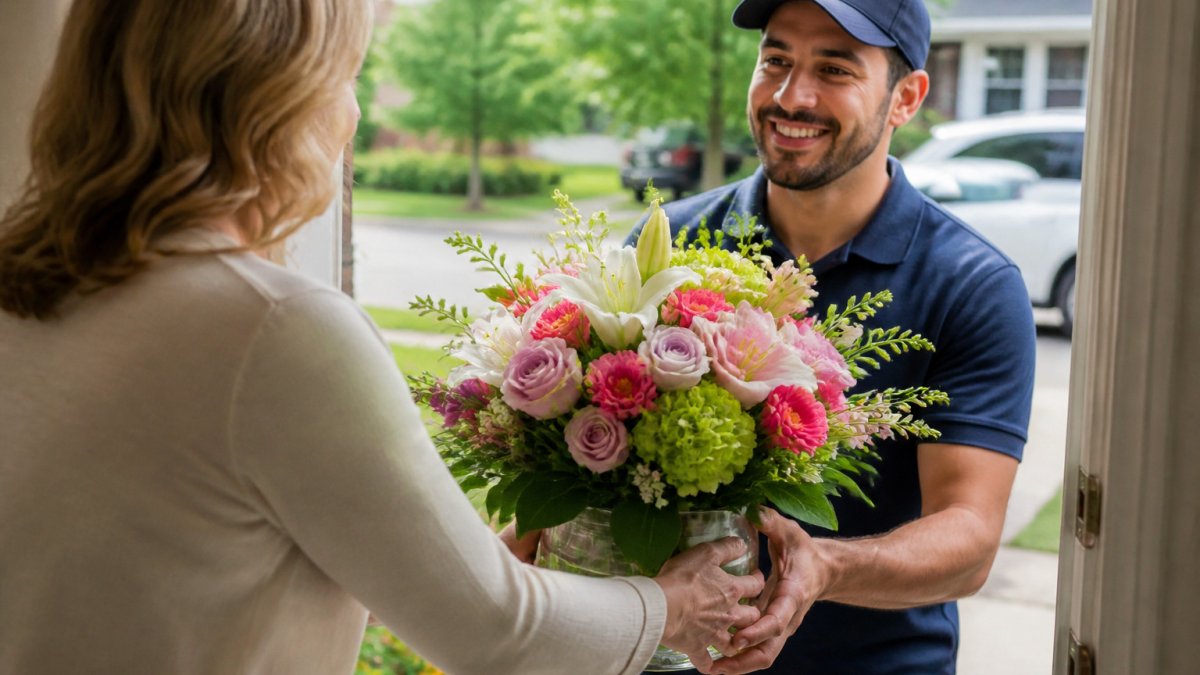
Posted on — Leave a comment

Appropriate Flowers for a Funeral Service

Last Updated: November 4, 2026

Quick Summary

Choosing appropriate flowers for a funeral service means matching the arrangement to the setting and your relationship to the family. Friends and colleagues usually send a standing spray or basket, while a casket spray is ordered by the immediate family or closest loved ones. If the family requests no flowers, send a plant or donation instead.

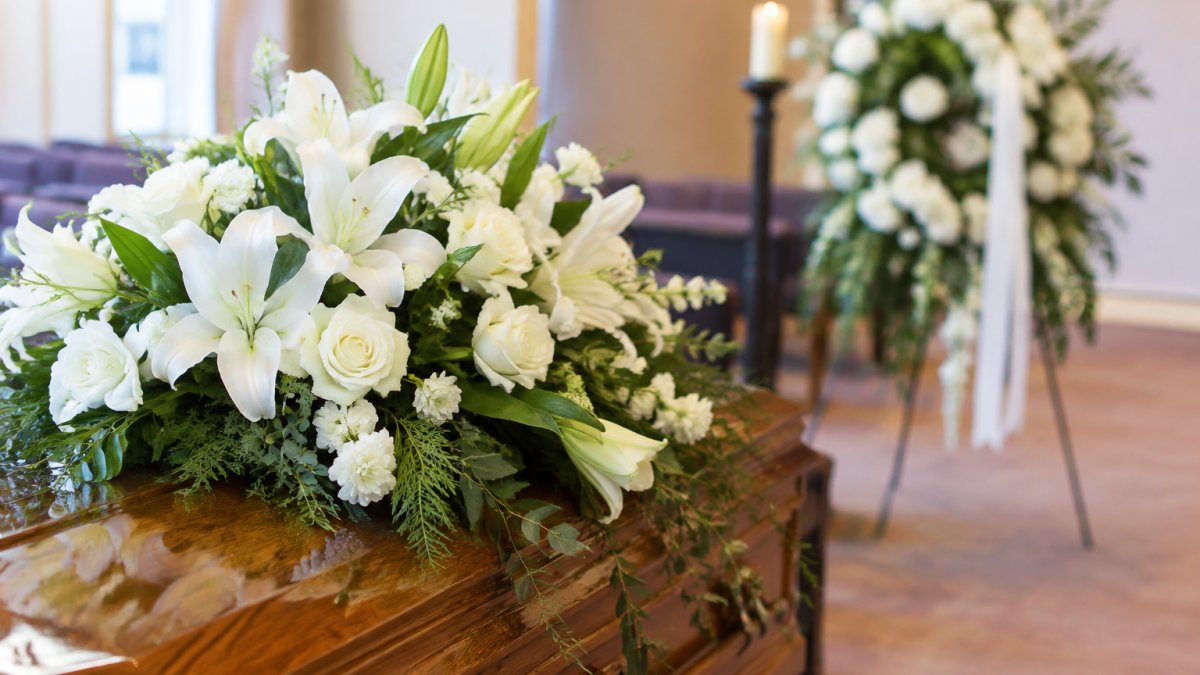
  • Casket sprays are placed on top of the casket and ordered by immediate family.
  • Standing sprays sit on a tripod stand and are the most common tribute from friends and coworkers.
  • White is the safest color because it reads as peaceful and respectful across traditions.
  • Send flowers ahead to the funeral home so they arrive before the viewing begins.
  • Ask the funeral director whether the family has requested donations in lieu of flowers.

Table of Contents

What Are Funeral Flowers Called and Which Types Fit Each Service

Funeral flowers are called floral tributes, sympathy arrangements, or funeral arrangements, and the name often signals where the piece will sit during the service.

Here is the short answer. Send a standing spray or basket if you are a friend or colleague. Send a casket spray only if the family asks. Send a plant or donation if the family requests no flowers. The rest is detail, and the details matter more than most guides admit.

Casket Sprays, Standing Sprays, and Urn Arrangements

Each type carries a different weight of meaning:

  • Casket spray: the family’s piece, large and formal
  • Standing spray: the most common tribute from friends and coworkers
  • Urn arrangement: sized for a cremation service or memorial table
  • Floral basket or vase arrangement: flexible, easy to move, good for visitations

If you are considering a standing spray, a classic white design is a safe, respectful choice that suits nearly any service. You can view a white standing spray to see the style. Families exploring casket pieces often want a concrete example, and a lavender and blue casket spray shows how color can soften a formal arrangement.

Matching the arrangement to the setting starts with knowing what each type of tribute is called and where it sits.

Arrangement Placement Typical sender
Casket spray On top of the casket Immediate family or closest loved ones
Standing spray On a tripod stand beside casket or graveside Friends and coworkers
Urn arrangement Near or around an urn Cremation or memorial service
Floral basket or vase Viewing table or graveside gathering Flexible, easy to move

The most popular funeral flowers are lilies, roses, carnations, chrysanthemums, and orchids, and each carries a long-standing association with sympathy.

Daisies and hydrangeas round out the list. Daisies read as simple and sincere. Hydrangeas add fullness and a gentle, graceful tone.
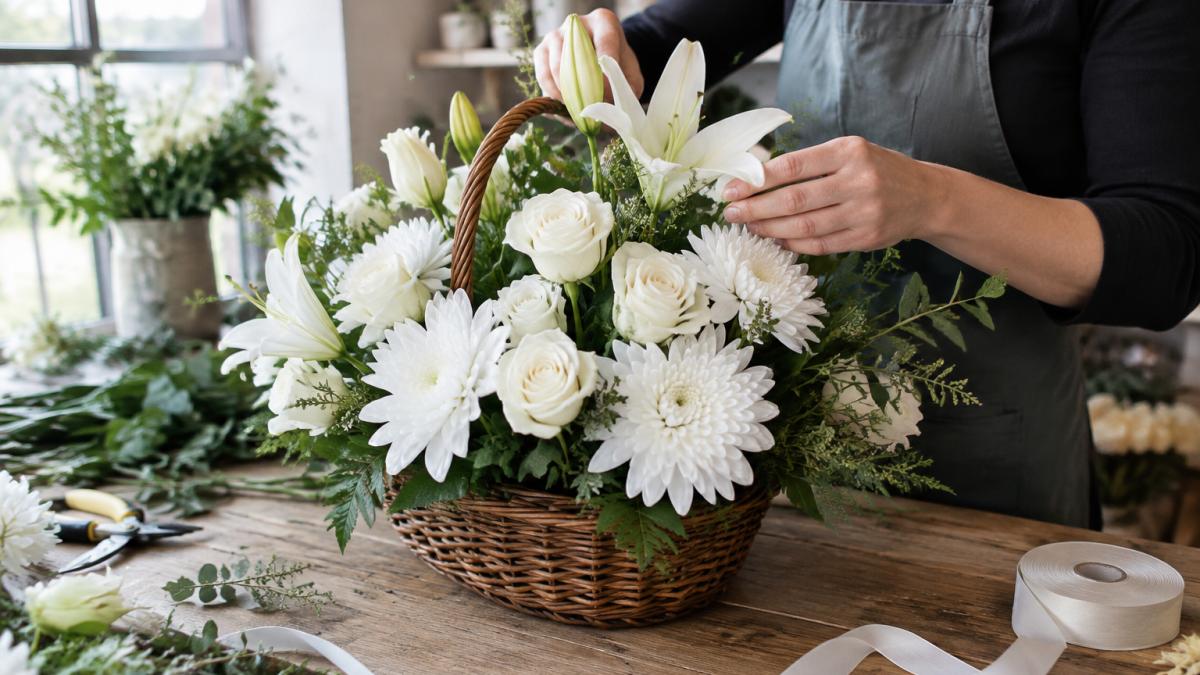
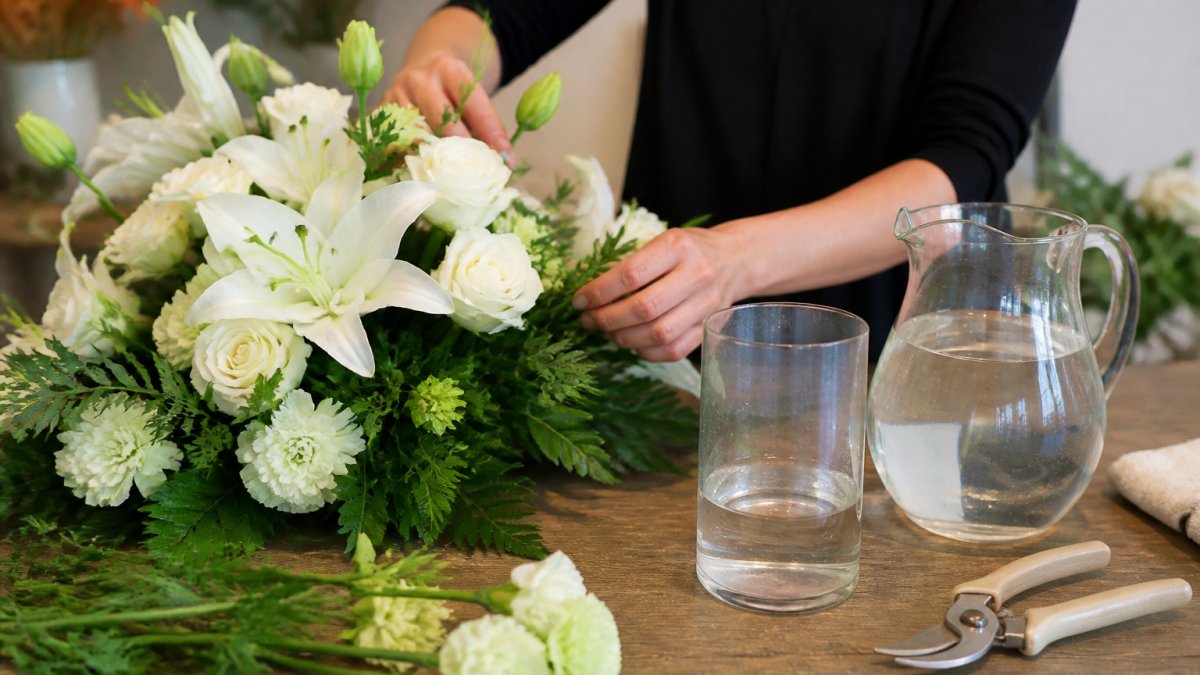
Florist arranging white lilies, roses, and chrysanthemums as appropriate flowers for a funeral service in a sympathy basket

The flowers’ colors and meanings can express care when words are difficult, while thoughtful sympathy gifts offer another gentle way to show support.

For readers who want to go deeper on bloom-by-bloom meanings, our guide to the best flowers for sympathy arrangements breaks down each choice.

What Color Flowers for the Death of a Loved One

White is the safest color for the death of a loved one because it reads as peaceful, respectful, and appropriate across nearly every tradition. White flowers signal remembrance and sincerity without drawing attention to the sender. Beyond white, color carries meaning:

  • White: peace, reverence, remembrance
  • Blue and lavender: calm, comfort, quiet sympathy
  • Yellow: friendship and warmth, best for close friends
  • Pink and pastel: gentle affection, often chosen for women
  • Red: deep love and grief, usually reserved for family

A mixed bouquet of soft colors works well when you know the person’s taste. When you do not, white is never wrong. The Society of American Florists notes that white and green arrangements remain the most requested sympathy palette, and that guidance has held steady for years.

Do You Bring Flowers to a Funeral Service or Send Them Ahead

Send flowers ahead to the funeral home rather than carrying them to the service. Funeral homes generally coordinate deliveries and place tributes before the viewing.

So when should you send? Aim for delivery before the viewing begins. Funeral homes typically accept deliveries during set hours. You can order flowers online for local delivery and we will coordinate directly with the funeral home.

Funeral Flower Etiquette for the Immediate Family

Etiquette around funeral flowers depends less on hard rules than on the sender’s relationship to the deceased and the family. The immediate family sits at the center of that map, and the choices radiate outward from there. Getting the relationship right prevents the two most common mistakes: ordering a piece the family has already claimed, and sending something that reads as more intimate than the relationship warrants.

What the Immediate Family Typically Orders

The immediate family usually orders the casket spray, and that piece anchors the floral display. Adult children and siblings often coordinate standing sprays so the tributes complement rather than duplicate one another.

A few practical rules hold up across most services:

  • The family’s casket spray comes first; friends should not order one unless the family invites them to
  • Siblings and adult children may each send a standing spray, but coordinating colors avoids a cluttered look
  • Keep a list of who sent what so thank-you notes are accurate later
  • Ask the funeral director before ordering anything unusually large, tall, or fragrant

Watch out: ordering a casket spray as a friend can put the family in an awkward spot if they have already selected one. Ask the funeral director or a close family friend first.

Who Sends What: Friends, Coworkers, and Organizations

Friends and colleagues usually send a standing spray, a basket, or a vase arrangement.

Coworkers often pool money for a single larger piece rather than sending several small ones, and a group card signed by the team is common.

Get Started Today →

Neighbors and acquaintances often choose a plant, a basket, or a donation. A living plant such as a peace lily or an orchid lasts beyond the service and gives the family something to keep.

Coordinating With the Family and the Funeral Director

Before ordering, ask the funeral director two questions: whether the family has requested a particular color or bloom, and whether any piece has already been claimed. A funeral director often sees the full floral plan and can tell you where a gap exists, for example, that the family has the casket spray covered but no standing spray from friends. That single conversation prevents duplication and ensures your tribute fills a real need.

If you are close to the family, a brief text or call to a family friend is appropriate. Keep the question simple: “Is there anything specific the family would like, or anything they’d rather not have?” Families generally appreciate the care behind the question, and it gives you a clear answer to act on.

Faith, Culture, and Family Customs That Change the Choice

Religious and cultural customs can change which flowers are appropriate, and this is where most guides stop short. The variation is real: some traditions favor white and green only, others welcome bright color as a celebration of life, and some families request no flowers at all for religious reasons and prefer donations or food instead. The safe path is not to guess but to check, and to know what to ask.

Common Customs Worth Knowing

A few patterns come up often enough to be worth naming, though practices vary by congregation and by family:

  • Christian services commonly use white lilies, roses, and carnations, with white and green arrangements as the default palette. Easter services may lean on lilies specifically.
  • Jewish services often favor simple, understated arrangements, and some families prefer no flowers at all, directing mourners to charitable donations instead. When flowers are sent, white and green are the safest choice.
  • Muslim services typically do not include flowers at the funeral itself, and mourners often send food or donations to the family rather than floral tributes.
  • Hindu and Buddhist services may welcome white or yellow flowers, and specific blooms can carry meaning within the tradition. Garland-style arrangements sometimes appear at Hindu services.
  • Military and first-responder services may include specific tributes, and the family or funeral director can confirm what is appropriate.

These are starting points, not rules. A family’s own preferences override any general custom, and many families blend traditions or set their own tone.

How to Check Before You Order

Before you order, check three things with the funeral director or a close family friend:

  1. Does the family’s faith or culture have flower restrictions?
  2. Has the family requested donations in lieu of flowers?
  3. Is there a specific color or bloom the family has asked for?

The funeral director is the best single source because they coordinate with the family and see the full floral plan. If you are ordering online, note any restrictions in the delivery instructions so the florist can adjust the design. When in doubt, ask. A quick question saves an awkward misstep, and families generally appreciate the care behind it.

When the Family Asks for No Flowers

Some families request no flowers for religious reasons, for space reasons, or because they prefer donations. Honor that request. A donation to a cause the person cared about, a meal delivered to the family home, or a handwritten note with a specific memory are all appropriate alternatives.

Watch out: sending flowers after the family has explicitly requested donations can read as disregard for their wishes. When the request is clear, follow it.

Timing, Delivery, and Substitutions at the Funeral Home

Timing matters more than most people expect. Deliveries should arrive before the viewing begins, not during the service. Funeral homes usually have a receiving window, and a late delivery may sit in a back room instead of being displayed.

Substitutions are the other practical concern. Our guide on how to keep funeral flowers fresh covers what to do once the arrangement arrives home after the service.

When Flowers Are Not the Right Gesture

Sometimes flowers are not the right gesture, and sending them anyway can miss the mark. If the family has asked for donations to a charity, honor that request.

Non-floral options that work well:

  • A donation to a cause the person cared about
  • A meal delivered to the family home
  • A living plant the family can keep
  • A handwritten note with a specific memory

Flowers remain a meaningful tribute for most services. The key is to match the gesture to what the family actually needs.


Choosing appropriate flowers for a funeral service comes down to matching the arrangement to the setting, the sender’s relationship, and the family’s wishes. If you are unsure, ask.

Frequently Asked Questions

What is the most appropriate flower for a funeral?

White lilies remain the most widely accepted funeral flower in the United States. They carry a long association with restored innocence and peace, suit nearly every faith tradition, and work in casket sprays, standing sprays, and vase arrangements. Roses, carnations, chrysanthemums, and orchids are equally appropriate, so match the bloom to the family’s preferences and the arrangement type rather than searching for one perfect flower.

What flowers should you avoid bringing to a funeral?

Avoid bright, celebratory colors and novelty designs unless the family has asked for them. Skip strongly scented blooms like heavy stargazer lilies in hospital or small viewing rooms where fragrance can overwhelm. Some traditions also avoid certain flowers, so check with the family or funeral director first. When in doubt, a simple white or soft-pastel arrangement in a classic style is the safest choice.

Should immediate family send flowers to a funeral?

Immediate family typically provides the casket spray, urn wreath, or the main standing piece rather than sending separate sympathy flowers. Close relatives often coordinate one large tribute and let extended family and friends cover bouquets and baskets. If you are unsure what the family has already arranged, ask the funeral director, who usually tracks which pieces are coming and can prevent duplicates.

How far in advance should funeral flowers be ordered?

Order as soon as service details are confirmed, ideally 24 to 48 hours before the viewing or funeral. Same-day delivery is often possible for local florists, but standing sprays and casket pieces take longer to build and are best ordered a day ahead. Confirm the funeral home name, the service date, and the delivery window when you order so the arrangement arrives before the family viewing begins.

Posted on — Leave a comment

7 Ways to Preserve a Bouquet at Home Without Wilting

Last Updated: November 4, 2026

Quick Summary

To preserve a bouquet at home, choose a method that matches the flowers and the result you want: air drying keeps long stems but fades color, silica gel holds shape and color, and pressing flattens blooms for framing. Prep stems first, then dry completely and store away from light and humidity.

  • Split bouquets into bundles of five to seven stems so moisture does not trap and mold.
  • Hang air-dried bundles upside down in a dark, dry, well-ventilated area for two to four weeks.
  • Bury blooms in silica gel for three to seven days to keep near-original shape and color.
  • Press flowers between absorbent paper in a heavy book for two to four weeks.
  • Store preserved flowers in a cool, dark, dry spot away from sunlight and humidity.

Table of Contents

Pick Your Method Before You Pick a Vase

If you want to know how to preserve a bouquet at home, the answer starts with one decision: what should the flowers look like when you’re done? Air drying keeps the stems long but fades color. Silica gel holds shape and color but works best on individual blooms. Pressing flattens flowers for framing.

Most failed preservation attempts start with a method chosen by habit, not by flower type. Below, we’ll show you exactly how to choose, prep, dry, and store a bouquet so it lasts for years.

Bouquet preservation is the process of drying or casting fresh flowers so they hold their shape and meaning long after the stems give out.

Matching the Method to the Flower and the Result You Want

Not every flower dries well. Roses, hydrangeas, lavender, and statice hold up across most methods. Tulips and lilies collapse in air. Daffodils and delphiniums turn brittle and brown.

Use this as your starting filter:

Method Best Flowers Result Time
Air drying Lavender, roses, hydrangea, statice Rustic, faded color, long stems 2-4 weeks
Silica gel Roses, peonies, dahlias, orchids Near-original shape and color 3-7 days
Pressing Pansies, daisies, ferns, small roses Flat, frameable 2-4 weeks
Microwave Small blooms, thin petals Fast but uneven Minutes
Resin Sturdy, fully dried blooms Permanent cast Cures overnight

Pick the result first. A shadow box needs flat flowers. A vase display needs long stems. A paperweight needs fully dry, sturdy blooms.

Prep the Bouquet So Every Stem Dries Evenly

Moisture is the enemy. A wet stem rots before it dries, and one rotting stem can spoil a whole bundle.

Do this before any method:

  • Unwrap and untie the bouquet so stems can breathe.
  • Strip lower leaves so nothing touches water or sits against other stems.
  • Remove damaged blooms. One bruised flower invites mold.
  • Split into smaller bundles of five to seven stems. Tight bunches trap moisture.
  • Trim stems at an angle and blot them dry.

A common mistake is skipping the split. A full wedding bouquet dried as one mass will mold in the center while the outside looks fine. Break it into smaller bundles and you’ll get even drying throughout.

The Best Way to Air Dry Flowers: Hang Them Upside Down

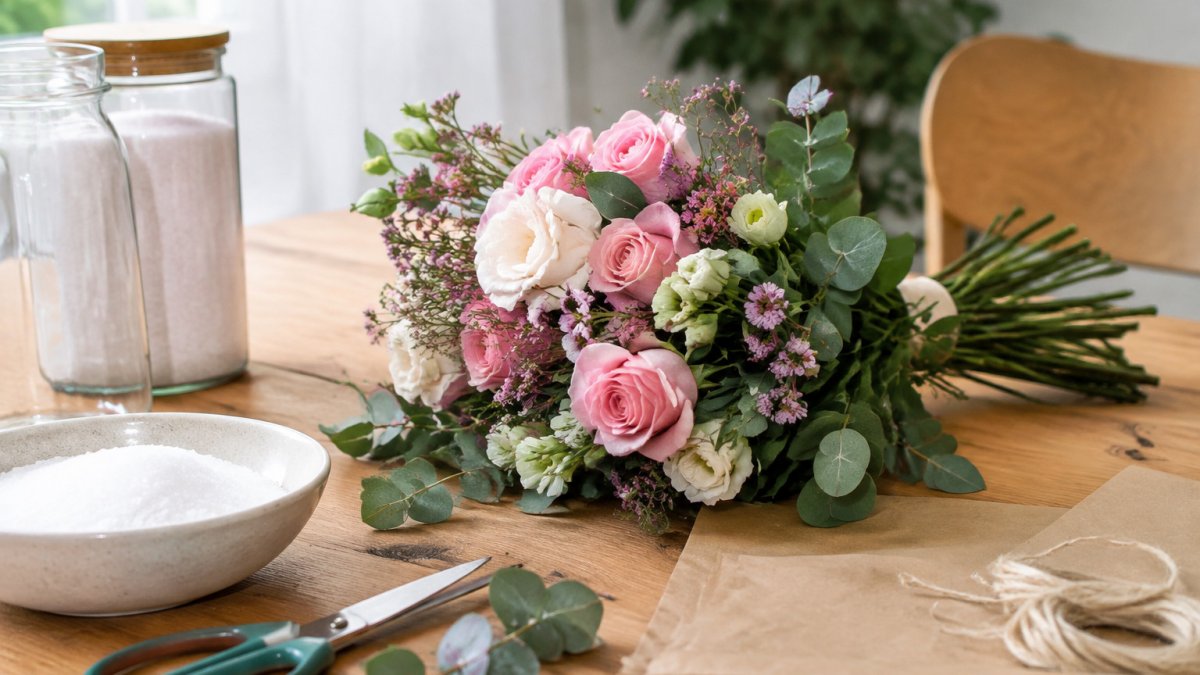
A common way to air dry flowers is to tie small bundles and hang them upside down in a dark, dry, well-ventilated area. Gravity keeps stems straight, airflow carries moisture away, and darkness protects color.

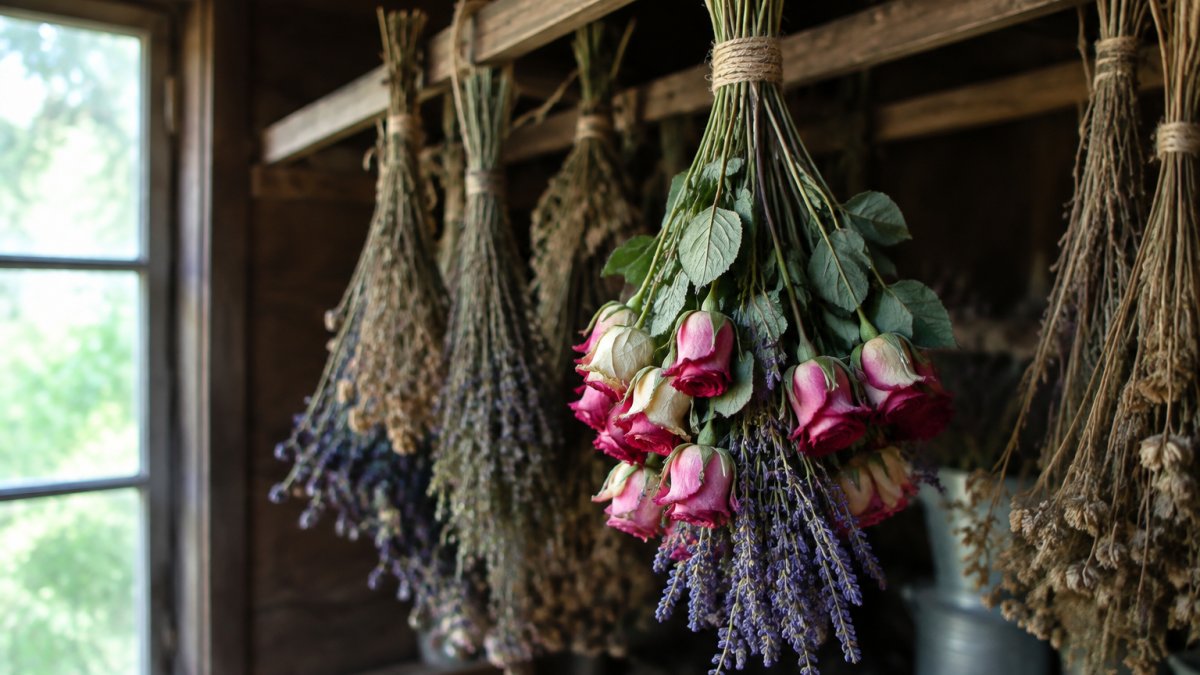
Roses and lavender tied with twine hanging upside down to preserve a bouquet in a rustic garden shed.

Here’s the routine:

  1. Tie each bundle with twine about two inches above the stem ends.
  2. Hang them upside down from a rod, hook, or rack.
  3. Leave space between bundles for airflow.
  4. Keep the room dark, cool, and dry.

Avoid kitchens and bathrooms. Steam undoes the process. A closet, attic, or dry garage works well. Drying time runs two to four weeks depending on humidity. Check readiness by bending a stem: it should snap, not bend.

How to Preserve Flowers in Silica Gel for Full Shape and Color

To preserve flowers in silica gel, bury each bloom in a sealed container of fine silica crystals and leave it three to seven days. The crystals pull moisture out fast, so petals keep their shape and color instead of shrinking.

Steps:

  1. Pour a one-inch layer of silica gel into an airtight container.
  2. Set each flower face up, then gently pour crystals around and over it.
  3. Seal the lid and store it somewhere cool.
  4. Check after three days for thin-petaled flowers, up to seven for dense blooms.

Watch out: silica gel is a desiccant and an eye and skin irritant. Wear gloves, keep it away from children and pets, and follow the package safety instructions. Handle dried blooms with care, since they become brittle.

How to Press Flowers for Framing a Keepsake

How to press flowers for framing comes down to flat, even pressure and patience. Arrange blooms face down between two sheets of absorbent paper, place them inside a heavy book, and leave them two to four weeks. The result is a flat flower illustration ready for a shadow box or frame.

Book pressing works well for small, thin flowers. For thicker blooms, change the paper every few days so moisture doesn’t build up. Keep the book in a dry room and stack a little extra weight on top.

Get Started Today →

Press flowers soon after you receive them, since a bloom that is already wilting can press with brown edges.

Microwave Drying and Resin Preservation: Fast Fixes and Lasting Casts

Microwave drying is the fast option: bury small blooms in silica gel, microwave in short bursts, and check between each one. It can work for thin-petaled flowers, but it’s easy to overcook. Petals scorch in seconds, so use low power and short intervals.

Resin preservation casts fully dried flowers in clear resin for a permanent keepsake. The catch is that any moisture trapped inside turns cloudy or brown over time. Dry the flowers completely first, then work in a ventilated space and follow the resin manufacturer’s safety guidance.

Neither method is forgiving. If you want a low-risk first attempt, start with air drying or pressing.

Timelines, Readiness Checks, and Troubleshooting Common Failures

Drying methods commonly fail when there is too much moisture, too little airflow, or too much light. Knowing what “done” looks like for each method helps you check early and correct conditions before damage occurs.

Realistic Timelines by Method

Drying times depend on humidity, flower density, and how fresh the bouquet was when you started. Treat these as ranges, not schedules, and check earlier than you think you need to.

Method Typical Time Check First At Fully Dry When
Air drying 2-4 weeks Day 10 Stem snaps cleanly; petals feel papery, not leathery
Silica gel 3-7 days Day 3 (thin petals) Petals feel crisp and separate easily from crystals
Pressing 2-4 weeks Day 10 Flower lifts cleanly from paper with no cool or damp spots
Microwave Minutes per batch After the first 30-second burst Petals are dry but not scorched; centers are not damp
Resin Overnight cure After 12 hours Cast is hard and clear, with no cloudy or sticky areas

A common pattern is that home dryers stop too early because the outside looks done. The center of a dense bloom holds moisture longest, so squeeze the base of the flower head gently, if it feels cool or soft, give it more time.

Readiness Checks That Actually Work

A fully dry stem snaps cleanly. A stem that bends is still holding moisture. For silica gel, tap the bloom against the container, dry petals sound crisp and separate; damp petals cling. For pressed flowers, lift a corner of the paper: if the flower sticks or feels cool, it needs more time. For air-dried bundles, check the thickest stem in the bundle, not the thinnest, because the thickest dries last.

Troubleshooting Common Failures

Problem Likely Cause Fix
Mold on stems or in bundle centers Bundles too tight, humid room, wet stems Re-bundle looser, move to a drier space, blot stems before hanging
Faded color Direct sunlight, heat Dry in darkness next time; keep finished pieces out of sun
Drooping stems Hung right-side up, or hung before stems set Always hang upside down; tie bundles above the stem ends
Brittle, shattered petals Over-dried or overheated Shorten drying time, check sooner, handle dried blooms by the stem
Brown edges when pressed Flowers pressed too late or paper not changed Press within a day of receiving; change paper every few days for thick blooms
Uneven drying in silica gel Crystals not fully surrounding the bloom, container not sealed Bury the bloom completely, seal the lid, store cool
Cloudy or sticky resin Moisture trapped in flowers or incomplete cure Dry flowers completely first; follow resin cure time and temperature

Watch out: silica gel that has absorbed moisture stops working. Most crystals change color when saturated, check the package indicator and recharge or replace the crystals before reusing them, or the next batch will dry slowly and unevenly.

Long-Term Storage and Display

Preserved flowers are stable but can still be damaged. Keep them away from sunlight, humidity, and heat, a cool, dark, dry spot protects color and shape for years. Humidity is the quiet killer: a bathroom, kitchen, or damp basement will soften silica-dried blooms and invite mold in air-dried bundles.

For display, a shadow box keeps pressed flowers flat and dust-free, while a sealed glass dome protects silica-dried blooms from humidity and handling. Air-dried bundles can hang as-is, but keep them out of direct sun and away from vents.

If you’d rather display the keepsake in something beautiful, a keepsake ornament or a decorative teacup makes a charming home for dried blooms. And if you want the arrangement itself to be the centerpiece, our Pure Elegance Bouquet in a white mosaic vase gives preserved or fresh flowers an elegant vessel.

When to Hand the Bouquet to a Florist Instead

Some bouquets are too valuable or too delicate to risk on a first attempt. If the arrangement is from a wedding, a funeral, or an anniversary, professional preservation can remove the guesswork.

If you’re working with a sympathy bouquet, it helps to know which flowers suit the occasion before you consult a florist. Our guide to sympathy arrangement flowers walks through appropriate choices. And when you’d rather start fresh with a professionally designed piece, you can order a florist’s choice bouquet and preserve it yourself from day one.


Preserving a bouquet takes a little patience and the right method for the flowers in front of you.

Frequently Asked Questions

How do you preserve an entire bouquet without taking it apart?

You can air-dry a whole bouquet as one unit if the stems are similar in thickness. Tie the bunch tightly with twine, hang it upside down in a dark, dry, well-ventilated area, and leave it for two to three weeks. For mixed bouquets with thick and thin stems, split the arrangement into smaller bundles of three to five stems each so everything dries at the same rate. Silica gel works best on individual blooms rather than a full bunch.

Can you use silica gel to preserve a whole bouquet?

Silica gel is best for individual blooms, not an entire bouquet at once. The crystals need to surround each flower head completely to hold the shape and color, so pack flowers face-up in an airtight container and cover them fully with gel. Larger flowers like roses need two to three days; thinner petals take 24 to 48 hours. A whole bouquet can be done, but the heads will press against each other and dry unevenly.

How long does it take to air-dry a bouquet?

Most bouquets air-dry in two to three weeks in a dark, dry room with good airflow. Thin-petaled flowers like lavender and statice can be ready in seven to ten days, while thick roses and hydrangeas may need up to four weeks. Check readiness by bending a stem near the base: if it snaps cleanly, it is dry. If it bends without breaking, give it another week before moving it to storage.

What is the best method for preserving wedding flowers at home?

The best method depends on the result you want. For a full-bloom keepsake that holds color, silica gel drying works well on roses, peonies, and ranunculus. For flat art you can frame in a shadow box, pressing is the better choice. Air-drying suits bouquets with sturdy stems and a rustic look. If the bouquet has sentimental value, consider asking a florist for guidance before the flowers fade.

Posted on — Leave a comment

How to Choose Wedding Flowers with Confidence

Last Updated: November 3, 2026

Quick Summary

To choose wedding flowers with confidence, set a realistic budget first, then rank your floral priorities before you meet a florist. Build a checklist with your date, venue, colors, arrangement list, and style words, and choose seasonal blooms with a backup for each must-have flower.

  • Set your floral budget before looking at a single bloom and rank each item by priority.
  • Ask your venue for its vendor rules early and hand those rules to your florist.
  • Pair each must-have flower with a backup because farm availability shifts from year to year.
  • Keep two or three anchor colors and let texture do the rest of the work.
  • Ask for the substitution standard and approval workflow to be attached to the contract.

Table of Contents

Start with Your Wedding Flower Budget

The first step in learning how to choose wedding flowers is setting a realistic budget before you look at a single bloom.

  • Ceremony flowers (arch, aisle, altar pieces)
  • Personal flowers (bouquets, boutonnieres, corsages)
  • Reception centerpieces and head table arrangements

Rank these by priority. If the bouquet matters most, put more of the budget there and simplify the aisle decor.

Pricing depends on quantity, dates, and delivery, so ask for a written quote rather than a ballpark. For budget-friendly options, see our affordable wedding flower packages.

Build a Wedding Flower Checklist Before You Meet a Florist

A wedding flower checklist turns a vague idea into a real conversation. Walk in with notes, and your florist can price and plan far faster. Bring:

  1. Your date and venue, including whether the venue requires setup time
  2. Your color palette and any photos of looks you love
  3. A list of every arrangement you need, from bouquets to centerpieces
  4. Your budget range and your top priorities
  5. Your style words (romantic, modern, garden, minimal)
  6. Any must-have flowers and any allergies to note
  7. The names of people receiving personal flowers

One item couples often forget: how the venue handles deliveries. Some venues want florists in and out by a set time. Others have loading dock rules. A common mistake is leaving this until the week of the wedding.

Ask your venue for its vendor rules early. Then hand those rules to your florist. This one step prevents most day-of headaches.

Choose Wedding Flowers by Season and Availability

Wedding flowers by season is the single biggest factor in both cost and reliability.

  • Growing conditions in the region where the flowers are farmed
  • Weather during the growing window
  • Supply chain and shipping, which can delay imported stems

Farm availability shifts from year to year, so pair each must-have flower with a backup. A good florist will list the requested flowers first, then note which similar flowers could stand in if a farm comes up short.

Freshness and flower quality matter more than matching a photo exactly. A slightly different bloom that opens beautifully beats a wilted exact match.

How to Choose Wedding Flowers That Match Your Colors and Style

To choose wedding flowers that fit your look, start with the overall design style, then work backward to specific stems. The flower variety is a tool; the look is the goal.

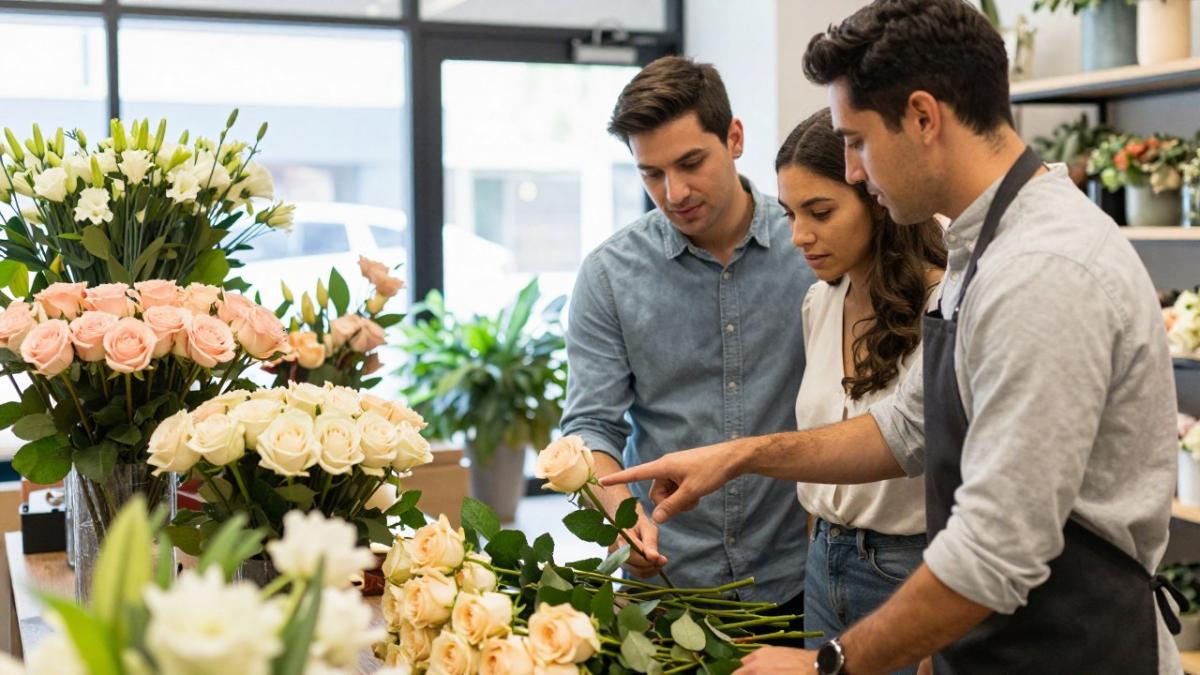
Florist guiding a couple through a process to choose wedding flowers using fresh samples in a floral shop
  • Color palette: keep two or three anchor colors and let texture do the rest
  • Shape and texture: mix round focal flowers with airy, trailing stems
  • Bloom size: vary sizes so arrangements read as full, not flat

A wedding centerpiece and a ceremony arrangement can share the same flowers in different scales, keeping the look consistent from aisle to tables. Browse the best flowers for wedding centerpieces to find ideas that fit your style.

Wedding Florist Questions to Ask Before You Book

The best way to protect your vision is to ask direct questions up front. A confident florist welcomes them. These go beyond portfolio and pricing talk and focus on where weddings most often go sideways: substitutions, timing, and who has final say.

Experience and recent work

  • How long have you been designing weddings, and can I see recent work from weddings similar in size and style to mine?
  • Who is my main contact, and how do you reach me on the wedding day?
  • Have you worked at my venue before, and do you know its delivery and setup rules?

A good answer is specific: named venues, recent dates, and a clear contact plan. If you are still deciding who to meet, read our guide on how to hire a local wedding florist. An evasive answer is vague about dates or refers only to styled photo shoots rather than real weddings.

Substitution policy and approval

  • What is your substitution policy, in writing?
  • How do you define an acceptable substitute, color, size, texture, stem count, arrangement shape, and value?
  • When do you notify me about a swap, and how much notice do I get?

A good answer includes a written clause, a notice window, and a documented approval step. An evasive answer is “we’ll find something similar” with no standard and no notice requirement.

Delivery, setup, and breakdown

  • How do you handle delivery, setup, and breakdown times, and are those fees quoted separately?
  • What happens if the venue changes its load-in window?
  • Who is responsible for moving ceremony flowers to the reception, and is that included?

A good answer names the crew, the window, and the fee structure. An evasive answer is a single lump sum with no timing detail.

Budget and priorities

  • Can you work within my budget range without cutting the key pieces?
  • Which line items give the most visual impact for the cost, and which are easiest to simplify?
  • How do you handle changes after the contract is signed?

What to do with the answers

Write the answers down and compare them side by side. If a florist is vague about substitutions, notice, or timing, treat that as a warning. Ask for the substitution standard and approval workflow to be attached to the contract, and keep a copy of every written exchange.

Get Started Today →

How to Handle Flower Substitutions in Your Wedding Contract

A flower substitution happens when a florist swaps a requested flower for a similar one because the original is out of season, short on the farm, or delayed in shipping. A floral substitution policy is the contract clause spelling out when and how those swaps are allowed. It is one of the most important clauses to read closely, and one of the most commonly glossed over.

What common clause wording actually means

Most substitution clauses are built from a few recurring phrases. Read them as follows:

  • “Subject to availability”, the florist is not promising a specific stem, only a category of look. It does not tell you what you will get instead, when you will be told, or who decides.
  • “Similar in style and color”, this is the vaguest phrase in most contracts. “Similar” is not defined, so it can mean a different bloom of the same color or a different color of the same bloom. Ask for the standard to be written down.
  • “Of equal or greater value”, value is rarely defined. It could mean stem cost, retail price, or visual impact. Without a definition, the phrase gives you little leverage.

A clause combining “subject to availability,” “similar in style and color,” and “florist’s discretion” with no notice requirement gives you almost no control over the final design. That is not automatically a bad contract, but you should know what you are agreeing to.

Define an acceptable substitute objectively

Vague promises such as “similar” or “within the palette” are hard to enforce. Turn them into criteria you and your florist both sign off on. For each must-have flower, agree on:

  • Color, the specific palette anchors, and whether a shade shift (for example, blush to peach) is acceptable
  • Size and bloom diameter, a substitute should read at the same scale in the bouquet or centerpiece
  • Texture and form, ruffled versus smooth, round versus spiky, open versus tight

Document this with a short substitution schedule attached to the contract: one row per must-have flower, with the approved primary, one or two approved alternates, and the criteria above. That schedule protects your vision more than any single sentence in the main clause.

A wedding-specific approval and notification workflow

Some contracts mention contacting the couple, but few establish a consistent process. Ask your florist to commit to a workflow like this in writing:

  1. Flag, the florist notifies you as soon as a shortage is known, not the week of the wedding if it was known earlier.
  2. Document, the florist sends a photo or description of the proposed replacement, the reason for the swap, and the effect on the design.
  3. Approve, you approve, reject, or propose an alternate within a set window (for example, 48 hours for non-urgent changes).
  4. Confirm, the florist confirms the final plan in writing before the delivery date.
  5. Record, if you cannot be reached, the contract should say what happens next: a default alternate, a hold, or florist discretion.

Watch out: a contract that allows substitution “of equal or greater value” with no notice and no approval gives you little control over the final look. Push for written approval on any change that affects the overall design, and ask what happens if you are unreachable on the day.

Cost and value treatment

Ask directly whether a substitute should be equivalent in value, whether upgrades are charged to you, and how price differences are handled. A common pattern: substitutions at or below the original cost are absorbed by the florist, while upgrades require your approval and may be billed. Get the answer in writing, and note whether a downgrade produces a credit or added stems.

Remedies when a substitution materially changes the design

If a swap changes the agreed design in a way that matters, a focal flower replaced with a much smaller bloom, a color shift that breaks the palette, or a missing installation, the contract should describe a reasonable resolution path. Practical steps: document the difference with photos and the substitution schedule, review the contract language, raise the issue with the florist promptly, and discuss options such as added stems, a partial credit, or a refund for the affected piece.

Wedding-specific substitution checklist

Use this before you sign. It covers the pieces most likely to be affected and the questions most couples forget:

  • Does the clause define an acceptable substitute objectively (color, size, texture, stem count, shape, value)?
  • Is there a required advance notice period, and does it differ for planned versus day-of changes?
  • Do I approve swaps in writing, and what happens if I am unreachable?

Here is how the article says to read the most common substitution clause phrases before you sign.

Clause phrase What it means What to ask for
Subject to availability Florist promises a category of look, not a specific stem Written notice, approval step, and who decides
Similar in style and color Vague because similar is not defined The standard written down in the contract
Of equal or greater value Value is rarely defined Whether value means stem cost, retail price, or visual impact
Florist’s discretion Gives the florist final say Keep it for day-of emergencies, not planned changes
Market price adjustments Couple may pay more if a substitute costs more Whether upgrades are charged and downgrades credited

Book Your Wedding Flower Consultation

A consultation is where your checklist, budget, and style notes turn into a real plan. You can preview our best wedding floral arrangements before you book.

When you book with An English Garden, you get an award-winning designer on staff, secure 24-hour online ordering, and delivery to over 30 cities each day. We also offer specialized event consultation and on-site decorating for weddings.

Frequently Asked Questions

When should I start choosing wedding flowers?

Start about 9 to 12 months before the wedding, once you have a date and venue. That gives you time to compare florists, confirm seasonal availability and lock in a contract. If you are planning on a shorter timeline, book as soon as possible: popular dates fill up, and last-minute orders limit which flower varieties a florist can source. Bring your color palette, venue details and a rough budget to the first meeting so the conversation stays productive.

How do I talk to a florist about flower substitutions?

Ask directly what the substitution policy is and get it in writing. Request that the contract name the specific flowers and colors you agreed on, plus a written approval process for any changes. Ask what notice you will get, whether photos of replacement options will be sent, and what happens if a substitute changes the overall look. A clear substitution clause protects both sides and prevents surprises on the delivery date.

How much should I budget for wedding flowers?

There is no single number, because pricing depends on stem count, flower variety, season, delivery distance and setup time. Instead of guessing, list your priorities first: ceremony flowers, wedding centerpieces, bouquets and repurposed arrangements. Tell your florist your total figure and let them build a plan around it. Ask for a line-item quote so you can see where the money goes and adjust before signing.

What flowers do I need for a wedding ceremony and reception?

Most couples plan for bouquets, boutonnieres, ceremony flowers such as an arch or aisle pieces, wedding centerpieces, and extras like corsages or cake flowers. Ask whether ceremony arrangements can be repurposed at the reception to stretch your budget. A wedding flower checklist built with your florist keeps you from over-ordering and makes sure nothing is missed on the delivery date.


Your flowers should feel like yours, not a compromise. If you want a florist who plans for substitutions before they happen and keeps you in the loop, An English Garden can help. We bring an award-winning designer, on-site wedding decorating, and decades of local experience to every event. Get started with An English Garden and book a consultation to lock in your wedding flowers with confidence.

Posted on — Leave a comment

Wedding Flower Substitution Policy: What to Know

Quick Summary

A flower substitution policy is the clause in your floral contract that lets the florist swap your chosen blooms when they are unavailable because of season, weather or supply. Read it before signing, since broad wording can leave you with little control over your design.

  • Substitutions usually happen due to seasonal availability, weather, shipping delays or freshness concerns.
  • Ask whether the clause requires the florist to notify you before any substitution happens.
  • Clarify whether a cheaper substitute triggers a credit or refund of the price difference.
  • Define “similar” in writing using color, bloom size, texture, stem count and value.
  • Name two or three backup flowers per item and set a 48-hour window to approve a swap.

Table of Contents

Why Florists Substitute Wedding Flowers

Wedding flower substitution policy explained comes down to one question: what happens when the bouquet you chose isn’t available on your date? Many couples never read the fine print of their flower substitution policy until a florist calls with a swap. Knowing the reasons behind substitutions helps you judge whether a policy is fair.

Seasonal availability and farm supply

Flowers grow on seasonal cycles, and many varieties bloom for only a few weeks each year. A florist planning your arrangement months ahead depends on what growers can deliver close to your date. When a favorite bloom falls out of season, the florist has to find a replacement.

Plan around this early. Ask your florist which of your choices are seasonal and which are grown year-round.

Weather, shipping delays and freshness

Weather can damage a crop days before harvest, and a late freeze or heavy rain can wipe out stems. Shipping adds another risk, since a delayed truck can leave blooms past their prime. Freshness matters, so florists often swap in a sturdier flower rather than deliver one that has wilted.

How a Wedding Flower Substitution Clause Reads in Plain Language

A substitution clause is the part of your floral contract that gives the florist permission to change your flowers under certain conditions. Most clauses are short, and couples often skim right past them. Reading the clause line by line before you sign is the single most useful thing you can do to avoid a surprise on your wedding day.

What a typical clause actually says

Most substitution language follows a recognizable pattern. A common version reads something like: “In the event that specific flowers are unavailable due to seasonal availability, weather, or supply conditions, the florist reserves the right to substitute blooms of similar color, style, and value.” Another common version is looser: “Florist may substitute flowers as needed to complete the design.”

Those two sentences are not equivalent. The first names triggers and sets a standard (similar color, style, and value). The second gives the florist broad discretion with no stated limits. When you compare florists, the wording of this clause tells you a lot about how much control you are keeping.

What the clause guarantees, and what it does not

A substitution clause is a permission slip, not a promise. It typically does not guarantee:

  • That you will be notified before a swap happens.
  • That the substitute will cost the same as the original flower.
  • That the overall look of the arrangement will be unchanged.

What it usually does guarantee is that the florist can complete your order without breaching the contract when a flower is unavailable. That is the trade-off: the clause protects the florist’s ability to deliver something, and it protects you from a last-minute cancellation. Whether it protects your design intent depends entirely on how specific the wording is.

The four terms to clarify before signing

When you review the clause, ask the florist to address these four points in writing:

  1. Trigger language. Which events allow a substitution, only true unavailability, or also “quality concerns” or “design discretion”? Broader triggers give the florist more room to change your flowers.
  2. Standard of similarity. Does the clause say “similar” without defining it, or does it name color family, bloom size, and value? Undefined “similar” is a common source of disputes.
  3. Notice requirement. Does the clause require the florist to contact you before substituting, or only to inform you afterward? A notice requirement is the difference between approving a swap and learning about it on your wedding morning.
  4. Value treatment. If the substitute costs less than the original flower, does the contract require a credit or refund of the difference? If it costs more, who pays? Many standard clauses are silent on both.
Pro Tip
Ask your florist to add one sentence to the clause: “Florist will notify Client in writing of any substitution and obtain approval when practicable.” Florists may agree to this, and it can turn a one-sided permission into a shared decision.

Red flags in substitution wording

Watch for clauses that use phrases like “at florist’s sole discretion,” “no substitutions will be refunded,” or “client waives right to approve substitutions.” These are not automatically unfair, a florist needs flexibility to run a business, but they shift all the risk to you. Establishing clear communication regarding these contingencies remains a fundamental step when choosing a bespoke florist to ensure your floral vision remains protected throughout the planning process.

If the clause is vague, ask the florist to define it in writing before you sign. A short email confirming the standard, the notice period, and the value treatment is enough to turn a generic clause into a usable one.

Defining an Acceptable Substitute Objectively

“Similar” is the word that causes most substitution disagreements. One person’s similar is another person’s completely different bouquet. The fix is to replace the adjective with criteria you and your florist both write down, and then to decide, in advance, which criteria matter most for each element of your design.

The six criteria that define a substitute

An acceptable substitute should be evaluated on six measurable points. For each one, decide whether it is a must-match, a should-match, or a nice-to-match:

  • Color. Match the color family, not just the general hue. A blush peony and a hot-pink rose are both “pink,” but they read differently in photos. Specify the palette in words your florist uses, for example, “dusty rose, sage, and cream” rather than “romantic pastels.”
  • Bloom size and shape. A round, dense bloom (peony, garden rose, ranunculus) reads very differently from an open, airy one (cosmos, daisy, spray rose). Note whether the substitute should be round, open, spiky, or clustered.
  • Texture. Smooth petals, ruffled petals, and fuzzy or waxy textures change how an arrangement feels. Texture is often the first thing guests notice and the last thing couples specify.

Turning the criteria into a written standard

A usable standard looks like a short table or list in your contract or in a follow-up email. For example:

Focal flower: Peony (blush). Must-match: color family (blush/soft pink), bloom size (large, round), value (equivalent). Should-match: texture (ruffled). Acceptable substitutes: garden rose, ranunculus (in larger quantity), double tulip.

Get Started Today →

That level of specificity does two things. It tells the florist what you actually care about, and it gives you a fair basis for approving or rejecting a swap later. A substitute that meets every must-match and most should-match criteria is reasonable to accept. One that misses a must-match is a conversation, not an automatic yes.

Weighting the criteria by element

Not every element of your wedding needs the same standard. A common approach is to tier your flowers:

  • High-impact focal flowers (bridal bouquet, ceremony arch focal blooms): strictest standard, must-match on color, size, and value; notice required before substitution.
  • Secondary flowers (centerpiece accents, boutonnieres): moderate standard, must-match on color and value; should-match on size and texture.
  • Filler and greenery (baby’s breath, eucalyptus, ruscus): flexible standard, color family and overall look; florist discretion with after-the-fact notice.

This tiering is the practical answer to “how similar is similar enough.” It lets your florist move quickly on low-stakes elements while keeping you in the loop on the flowers that appear in every photo.

Handling cost and value differences

Value is the criterion couples most often forget to define. Ask your florist two questions before signing: If the substitute costs less than the original flower, will I receive a credit or refund of the difference? and If the substitute costs more, will I be charged, and will I be asked first? A fair contract answers both. Some florists will absorb small differences in either direction and flag larger ones for approval; the key is to get that practice in writing so it is not left to memory.

Key Takeaway
A substitute is acceptable when it meets your must-match criteria for that element, falls within a reasonable value range, and was communicated according to the notice terms in your contract. Write those three things down, and you have an objective standard instead of a vague promise.

Write these criteria into your contract or a confirming email. A clear standard gives you a basis for approving or rejecting a swap, and gives your florist a clear target to design toward.

Wedding Flower Substitution Examples and What They Mean for Your Design

Common swaps include a ranunculus replacing a peony, or a garden rose standing in for a spray rose. Each swap shifts the look of the arrangement a little. Compare the most popular centerpiece flowers to see how these options differ.

Ask your florist to show you photos of likely substitutes. Seeing them now prevents surprises later.

The Florist Substitution Approval Process, Step by Step

Follow a simple workflow so swaps never catch you off guard:

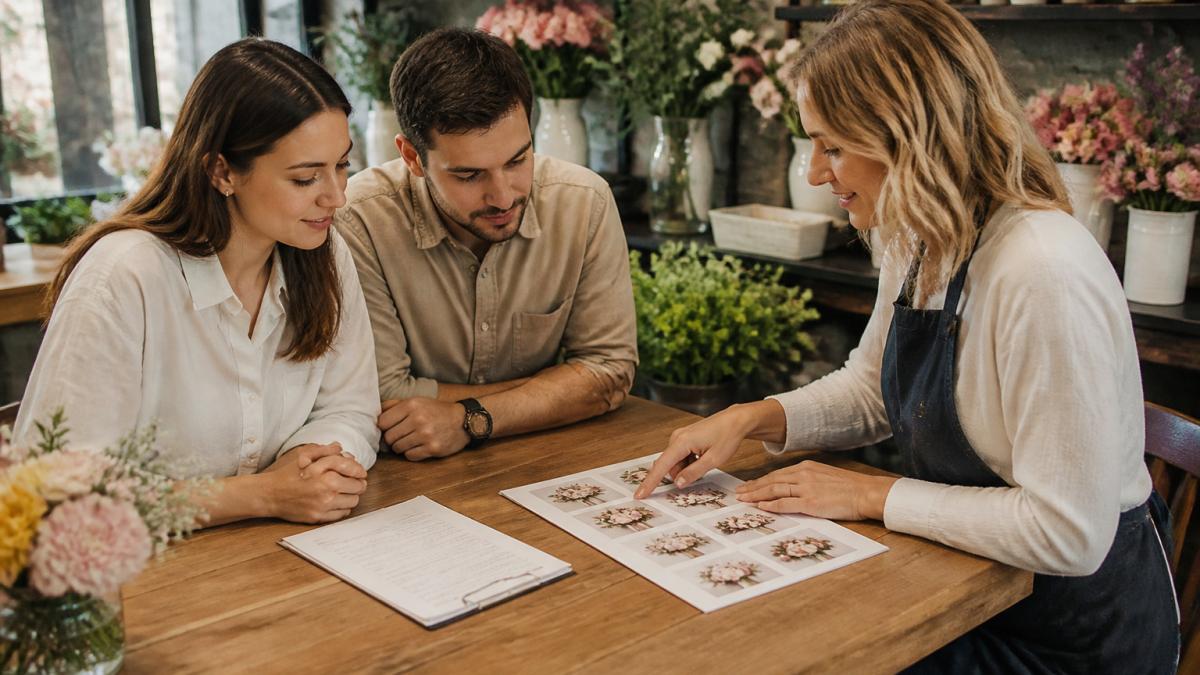
Florist and couple reviewing a contract and swatch board for a flower substitution policy process
  1. Ask your florist to name the top two or three backup flowers for each item.
  2. Confirm how and when they will contact you about a change. Before you sign anything, read a guide to choosing a wedding florist in Mokena to see what to check in a contract.
  3. Set a response window, such as 48 hours, for approving or declining a swap.
  4. Get any approval in writing, by email or text.
  5. Keep a copy of the final agreed design for your records.

Watch out: Verbal agreements are hard to prove. Always confirm changes in writing.

The steps below show how a swap should be proposed, reviewed and recorded, with the timing to expect at each stage.

Step What to do Time or frequency
Name backups Ask for two or three backup flowers per item Before signing
Confirm contact Agree how and when you will be told of a change Before signing
Set response window Approve or decline the swap 48 hours
Get approval in writing Confirm by email or text Before the swap is final
Keep final design Save the agreed design for your records Once agreed

Remedies When a Substitution Changes the Agreed Design

If a swap materially changes the design you approved, you have options. Discuss a partial refund, a discount on a future order, or a corrected arrangement if time allows. Put any agreed remedy in writing. If the florist will not discuss fair options, consider a chargeback review through your payment provider or a complaint to your state consumer protection office.

Questions to Ask a Wedding Florist Before You Sign

Use these questions to vet any florist:

  • Which of my chosen flowers are seasonal, and what are your backups?
  • What is your notice period before a substitution?
  • Can you show photos of your substitute options?

Pricing depends on flower type, quantity, date and delivery, so ask for a written quote. Our team at An English Garden can walk you through our substitution process and help you choose flowers that hold up to seasonal change. You can explore our wedding florist services and review budget options for wedding flowers to plan with confidence. For a broader look at choosing a florist, see our guide on hiring a local wedding florist.

Frequently Asked Questions

What is a wedding flower substitution policy?

A wedding flower substitution policy is the section of a florist’s contract that explains when the florist may replace the flowers you chose with other blooms, and how you will be told. A useful policy names the situations that trigger a swap, such as seasonal shortages, weather damage or shipping delays. It also describes how the florist will keep the color palette, style and stem count close to the original design, and whether you must approve the change before it happens. Read this clause before you sign, because it decides what you can expect if your first choice is unavailable on the day.

Can a florist change wedding flowers without asking?

Sometimes, if the contract allows it. Many florists reserve the right to substitute flowers when the requested variety is unavailable, but a well-written clause should require notice and set limits on how far the replacement can differ. Ask whether the florist will contact you before the order is finalized, how much notice you will receive, and whether you can reject a substitute. If the contract is silent on approval, request written language that requires your sign-off for any change that affects color, style or budget.

What should you do if your wedding flowers are substituted unexpectedly?

Start by reviewing your contract to see whether the substitution falls within the agreed policy. If it does, ask the florist to show photos or samples of the replacement and compare them against your design board. If the change materially alters the look you approved, request an adjusted arrangement, a partial refund or a discount, as your agreement permits. Put every request in writing and keep copies of messages, so the outcome is clear and documented.

How can you make sure substituted flowers fit your wedding design and budget?

Define the look you care about most, such as color palette, flower shape, bloom size and overall style, and share those priorities with your florist early. Ask for a list of acceptable alternates for each key flower, along with any price difference. Confirm that the replacement will be of similar or higher quality and that any cost change will be disclosed before the order is finalized. Pricing varies with quantity, dates and delivery, so request a written quote for each option.

Posted on — Leave a comment

7 Flower Delivery Tips for Special Occasions in Mokena

Quick Summary

Flower delivery Mokena services work best when you match the arrangement to the occasion, the recipient, and your timing. Birthdays suit bright mixed bouquets, anniversaries suit roses or romantic mixes, and sympathy calls for lilies, white roses, or classic sprays. Order a few days ahead, and check your cutoff time to plan same-day or next-day delivery.

  • Answer three questions first: who receives the flowers, where they will be displayed, and how much time you have.
  • Order birthday flowers a few days ahead, since popular dates fill up quickly.
  • Order anniversary flowers early when they fall on weekends or holidays, when demand is highest.
  • Include the full service location, room or chapel, and a family contact number for funeral deliveries.
  • Orders placed before the daily cutoff are processed for same-day delivery; later orders move to the next delivery date.

Table of Contents

Choosing the Right Flowers for Each Occasion

Picking flowers for a special occasion with flower delivery Mokena starts with three questions: who receives them, where they will be displayed, and how much time you have. Those answers narrow the options faster than any catalog. A birthday bouquet for a coworker needs something bright and portable. Anniversary flowers for a partner usually call for a more intimate, romantic arrangement. A sympathy arrangement needs to feel dignified and suit a funeral home or hospital room.

Matching the flower to the occasion is often more important than matching the price. A modest arrangement of seasonal blooms often says more than an oversized display that doesn’t fit the setting.

Occasion Best Flower Style Good Fit For
Birthday Bright mixed bouquet Home, office, celebrations
Anniversary Roses or romantic mixes Partners, intimate gifts
Sympathy Lilies, white roses, classic sprays Funeral homes, hospitals
Everyday Seasonal bouquets Thank-yous, get-well, just because

We recommend thinking about the recipient’s taste before the occasion. Someone who prefers modern design may not want traditional roses, while a grandparent may appreciate a classic arrangement.

Birthday Flower Delivery in Mokena for Everyday Celebrations

Birthdays are the most common reason people order flowers, and they are often the easiest to plan. Most recipients appreciate a fresh, cheerful arrangement delivered to their home or workplace. Bright colors, seasonal blooms, and a handwritten card tend to make the strongest impression. You can browse a ready-made Birthday Palooza arrangement and order it right away.

For a local birthday delivery in Mokena, order a few days ahead when you can. Last-minute needs may be possible depending on availability, but popular dates fill up quickly. Pricing depends on arrangement size, flower selection, and delivery timing, so contact An English Garden directly or visit the website for a current quote.

Watch out: if you send flowers to a workplace, confirm that the front desk accepts deliveries before the arrival window.

Anniversary Flowers in Mokena: Romantic Arrangements and Timing

Anniversary flowers carry more meaning than most gifts, so timing and presentation matter. Roses remain a traditional choice, but mixed arrangements with lilies, peonies, or garden flowers can feel more personal. Consider the length of the relationship and the couple’s style when choosing.

Order early for anniversaries that fall on weekends or holidays, when demand is highest.

Sympathy Flowers Mokena IL: Funeral Homes, Hospitals and Family Support

Sympathy flowers should be simple, dignified, and easy to display. Our complete guide to keeping funeral flowers fresh covers how to care for the arrangement through the service and afterward. Lilies, white roses, and classic sprays are common choices for funerals, while smaller arrangements suit hospital rooms or family homes.

Delivery to a funeral home or hospital requires clear details. Our guide on sending flowers to a hospital patient explains how to get the delivery accepted and received. Include the full name of the service location, the room or chapel if known, and a contact number for the recipient’s family. Coordinating with the funeral director in advance can help the delivery arrive as planned.

Get Started Today →

National Funeral Directors Association guidance on memorial floral arrangements

Next Day Flower Delivery in Mokena: Cutoff Times and Service Areas

Knowing your cutoff time is the most useful step for planning flower delivery Mokena orders. Our local florist guide for same-day delivery in Mokena covers the same-day options and coverage available in your town. Orders placed before the daily cutoff are processed for delivery that day, and later orders are scheduled for a later delivery date. Steps to guarantee same-day arrival can help you get your order there before the cutoff passes. Delivery is available to over 30 cities each day, so confirm that your recipient’s address is covered before you order.

For customers outside Mokena, a local florist can still deliver to family in the area. Share the recipient’s full address and any delivery instructions when you place the order.

Placing and Personalizing Your Order

Online ordering is the simplest route. Choose the arrangement, add a personalized card message, and enter the recipient’s details carefully. Double-check the delivery date, address, and phone number, since errors cause most delivery problems.

For larger orders, such as corporate gifts or event flowers, contact the shop directly. Corporate accounts are welcome.

Caring for Your Arrangement and Planning Your Next Order with An English Garden

Fresh flowers last longer with simple care. Trim stems at an angle, change the water every two days, and keep arrangements away from direct sunlight, heating vents, and ripening fruit (Bright blooms: How to care for flower bouquets | Good Growing | Illinois Extension). Following these steps helps the arrangement stay fresh through the celebration.

At An English Garden, we want every arrangement to feel special from the first delivery to the last petal. Visit our website to browse current designs, check delivery options, or request a quote for your next occasion.

Frequently Asked Questions

What flowers are best for a birthday?

Bright, seasonal blooms such as roses, lilies, sunflowers and mixed garden arrangements work well for most birthdays. Match the style to the recipient: a bold, colorful bouquet suits someone outgoing, while a soft pastel arrangement suits a quieter personality. If the recipient prefers something longer lasting, consider a plant or a potted arrangement. Pricing depends on size, flower selection and delivery details, so check An English Garden’s website or call for a current quote before you order.

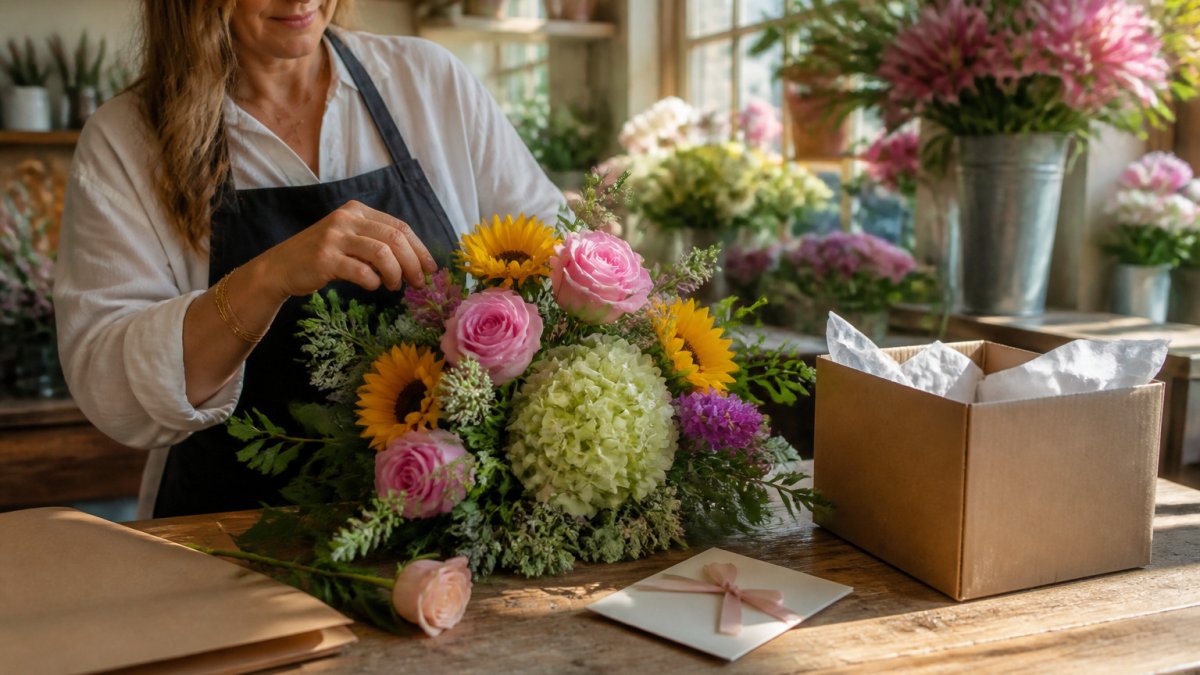
Florist arranging a seasonal bouquet at a sunlit shop for flower delivery Mokena orders

How far in advance should I order flowers for a special occasion?

For popular dates such as Valentine’s Day, Mother’s Day and wedding weekends, order as early as possible because florists book up. For a typical birthday or anniversary, ordering a few days ahead gives you the most choice of arrangements and delivery dates. Delivery availability depends on the delivery date and time, so confirm your delivery window when you place the order.

Can I order flowers online for delivery to a local funeral home or hospital?

Yes. Online orders can be delivered to local funeral homes and hospitals. Include the full facility name, room or suite number, and a contact phone number so the delivery team can coordinate with staff. If you are arranging sympathy flowers for a service, confirm the service date and location with the funeral home before ordering so the arrangement arrives in time.

Can I get flowers delivered the next day?

Delivery timing depends on the order date and the delivery area, so check available dates before you check out. Check the delivery area and cutoff times before you check out, and add any special delivery instructions, such as a business entrance or a gate code, in the order notes.

Posted on — Leave a comment

Affordable Wedding Flower Packages: A Budget Guide

Last Updated: October 31, 2026

Quick Summary

Affordable wedding flower packages bundle the bridal bouquet, bridesmaid bouquets, boutonnieres and some ceremony or reception arrangements into one quoted price. Pricing depends on quantity, date, flower variety and delivery, so request a current quote from An English Garden for exact figures.

  • Set your total floral budget as a dollar figure before requesting any quotes.
  • Divide the floral budget into four buckets: personal flowers, ceremony, reception and contingency.
  • Commonly reserve 5% to 10% of the floral total as a contingency fund.
  • Request an itemized quote listing each piece, delivery, setup, rentals and tax.
  • Confirm whether delivery, setup and breakdown are included before comparing package prices.

Table of Contents

What Affordable Wedding Flower Packages Include

Wedding flower packages often bundle the core floral pieces a wedding needs into a single quoted price, rather than charging for each arrangement separately. A bundle typically covers the bridal bouquet, bridesmaid bouquets, boutonnieres and at least some ceremony or reception arrangements. Pricing depends on quantity, date, flower variety and delivery, so request a current quote from An English Garden for exact figures.

Bridal bouquets, bridesmaid bouquets and boutonnieres

The bridal bouquet is usually the centerpiece of the floral budget. Bridesmaid bouquets and boutonnieres are smaller, so they keep costs down when the design stays simple. Many couples ask for matching bouquets, and that consistency is often built into the package. Confirm whether the quote lists each piece separately or as a group, since that changes how easy it is to swap items later.

Ceremony, reception and centerpiece arrangements

Ceremony arrangements, reception décor and table centerpieces are where package totals grow quickly. A package that includes these pieces saves time, but only if the arrangements match the venue size and guest count. Check whether setup and breakdown are included, because labor for placing arrangements at the venue is a common hidden cost.

Wedding Flower Budget Breakdown: Setting and Allocating Your Spend

Most couples who overspend on wedding flowers do not do it in one big decision, they do it in a dozen small ones. A written budget breakdown prevents that. Here is a practical method you can run before you request a single quote.

Infographic showing how to allocate a budget for wedding flower packages while planning with a partner at home.

Step 1: Set the total floral number first

Decide what percentage of your overall wedding budget flowers can take, then convert it to a single dollar figure. Couples commonly set aside a share of their total wedding budget for flowers, and that share varies with their priorities. Write the number down. Every later decision gets measured against it, not against what a florist’s sample package happens to cost.

Step 2: Allocate by priority, not by category equally

Divide the total into four buckets and assign a share to each before you shop:

  • Bridal bouquet and personal flowers, the bridal bouquet, bridesmaid bouquets, and boutonnieres. This is usually the highest-visibility spend and the easiest to protect.
  • Ceremony flowers, altar or arch pieces, aisle markers, and any entry arrangements.
  • Reception flowers, centerpieces, head-table arrangements, and bar or buffet accents.
  • Contingency, a small reserve, commonly 5% to 10% of the floral total, for substitutions, added pieces, or delivery surprises.

Adjust the shares of your floral budget to match what you actually care about, such as moving ceremony money to the reception if the ceremony is short.

Step 3: Convert buckets into piece counts

Percentages mean nothing until they become items. Multiply your guest count by your table plan to get a centerpiece count, then price that count against your reception bucket. If the math does not fit, you have three levers: fewer centerpieces, smaller centerpieces, or more greenery and candles per table. Decide which lever you will pull before you talk to a florist, so the quote you request already fits your budget.

Step 4: Hold a per-piece ceiling

Set a maximum you will pay for each item type, bridal bouquet, bridesmaid bouquet, boutonniere, centerpiece, and treat it as a filter when comparing quotes. A quote that blows past one ceiling but comes in under another is a signal about where that florist’s strengths and costs sit, and it tells you what to negotiate.

Pro Tip
Bring your four bucket totals and your per-piece ceilings to the consultation. Florists can design to a number far more accurately than they can guess at one, and a quote built around your buckets compares cleanly against the next florist’s quote.
::: Allocating a portion of your floral budget toward rose petals for weddings provides an elegant and cost-effective way to enhance your ceremony aisle or exit without requiring the complex structural work of large arrangements.

Step 5: Track the real total, including delivery and tax

Your floral budget is not the sum of the arrangements. Add delivery, setup labor, rentals, and applicable sales tax before you declare the budget met. Couples who forget these line items are the ones who discover a gap in the final invoice. Keep a single running total that includes every fee, and update it each time a quote changes.

A budget you can defend line by line is the strongest negotiating tool you have. It also makes the next section, comparing package tiers, far easier, because you already know which tier fits your number.

The article’s four-bucket method gives a quick way to see where the floral budget is allocated.

Bucket What it covers Typical guidance
Bridal bouquet and personal flowers Bridal bouquet, bridesmaid bouquets, boutonnieres Usually the highest-visibility spend
Ceremony flowers Altar or arch pieces, aisle markers, entry arrangements Set a share before shopping
Reception flowers Centerpieces, head-table, bar or buffet accents Convert to a piece count
Contingency Substitutions, added pieces, delivery surprises Commonly 5% to 10% of the floral total

Package Tiers and Itemized Pricing Examples in Mokena

Many studios group wedding flowers into tiers, but the tier names can hide the real differences. What matters is what each tier actually contains and how the line items are priced. Below is the structure to expect and the questions that turn a vague tier into a comparable quote.

Get Started Today →

What each tier typically contains

  • Basic / elopement tier, bridal bouquet, a small number of boutonnieres, and often a single ceremony or entry piece. Best for small guest counts, courthouse ceremonies, or couples handling reception flowers separately.
  • Mid-range tier, bridal bouquet, bridesmaid bouquets, boutonnieres, ceremony pieces, and a set number of centerpieces. This is the most common tier for weddings with a seated reception, and the tier where the centerpiece count drives most of the price.
  • Full-service tier, everything in the mid-range tier plus reception décor, head-table and accent arrangements, delivery, on-site setup, and breakdown. The labor and logistics are the value here, not just more flowers.

Turn each tier into an itemized quote

Ask for the quote broken into line items rather than a single package price. A useful itemized quote lists, at minimum:

  • Bridal bouquet, quantity and per-piece price
  • Bridesmaid bouquets, quantity and per-piece price
  • Boutonnieres, quantity and per-piece price
  • Ceremony arrangements, quantity, type, and per-piece price
  • Centerpieces, quantity, size, and per-piece price
  • Delivery fee
  • Setup and breakdown labor
  • Rentals (vases, arches, stands), if used
  • Applicable sales tax
  • Deposit amount and payment schedule

When two florists quote the same line items, the comparison is real. When one quotes a bundle and the other quotes line items, you are comparing a guess to a number.

A worked example of how tiers diverge

Imagine a 100-guest wedding with 10 reception tables. A mid-range quote might include one bridal bouquet, four bridesmaid bouquets, six boutonnieres, two ceremony pieces, and 10 centerpieces. A full-service quote for the same wedding adds head-table arrangements, bar and buffet accents, delivery, setup, and breakdown. The flower count difference may be modest; the labor and logistics difference is often the larger share of the gap. That is why comparing tiers on arrangement count alone misleads couples, always compare the full line-item list.

Do not accept a package price without a written itemization. A bundle that looks cheaper can cost more once delivery, setup, rentals, and tax are added, and a bundle that looks expensive can include labor the cheaper quote charges separately.

Questions that expose what a tier really includes

  • Is delivery included, and is there a minimum order for delivery to my venue?
  • Is setup and breakdown included, or billed hourly?
  • Are vases and stands rented or purchased?
  • How many centerpieces does the tier assume, and what happens if my table count changes?
  • What is the deposit, and what are the cancellation terms?
  • Is sales tax included in the quoted figure?

Why itemization matters for affordability

Affordability is not the lowest package price, it is the lowest total for the flowers you actually need. Itemization lets you cut what you do not value (extra ceremony pieces, premium blooms in low-visibility spots) and protect what you do (the bridal bouquet, the head table). It also lets you ask a florist to re-quote a single line rather than re-quote the whole package, which is the fastest way to bring a tier into budget without losing the design.

Request a line-item quote for your date and guest count directly from An English Garden, since pricing depends on quantity, dates and delivery.

Seasonal Wedding Flowers and How Substitutions Affect Cost

Flower availability and prices can change with the growing season, and out-of-season varieties may cost more. If a specific flower is important to you, ask your florist what a substitute would be and how it would change the price. A similar-looking bloom in season can keep the look you want while lowering the cost. Always confirm substitutions in writing before the wedding day.

Wedding Florist Consultation Questions to Ask Before You Book

Use the consultation to learn how a florist works, not just what they sell. Ask whether the package includes delivery, setup and breakdown. Use this step-by-step guide to choose a wedding florist in Mokena and organize your questions. Ask what happens if a flower is unavailable on the day. Clear answers to these questions tell you whether the florist can handle your order reliably.

Wedding Flower Quote Checklist: Comparing Florists Side by Side

When you compare quotes, check each one against the same list:

  • Bridal bouquet, bridesmaid bouquets and boutonnieres listed separately
  • Ceremony and reception arrangements, with the quantity of each
  • Delivery fee and setup or breakdown labor
  • Substitution policy for out-of-season flowers
  • Deposit amount, payment schedule and cancellation terms
  • Contact person for the wedding day

Quotes that cover the same items make the real price difference obvious.

Booking Your Wedding Flowers with An English Garden

An English Garden has served the Mokena community for over 32 years and offers expert wedding design services, including on-site decorating. To request a quote tailored to your date and guest count, contact the studio directly. Learn how to hire a local wedding florist before you commit. Pricing depends on quantity, dates and delivery, so a personal quote gives you the most accurate figure.

Frequently Asked Questions

How much do wedding flowers typically cost?

Wedding flower costs vary widely based on guest count, the number of arrangements, flower varieties and the date of your wedding. An English Garden does not publish standard package prices in this article, so pricing depends on quantity, dates and delivery. The most reliable way to plan is to set a total flower budget first, then request a written quote that itemizes bridal bouquets, bridesmaid bouquets, boutonnieres, ceremony arrangements and reception centerpieces. Ask whether setup and delivery are included, since those line items can change the total noticeably.

What flowers are most affordable for a wedding?

The most affordable choice often depends on your wedding date. Many couples choose mixed bouquets, garden-style blooms and greenery to fill arrangements, which can keep a full look. Discuss substitutions with your florist early so you can compare options before you commit.

How can I save money on wedding flowers without sacrificing style?

Focus your budget on high-impact pieces such as the bridal bouquet and ceremony arrangements, then use simpler designs for tables and secondary spots. Choosing seasonal flowers, limiting the number of flower varieties and using repeated arrangements across tables can all help manage the total. Ask your florist which pieces are included in any quote you receive.

How do I compare wedding flower quotes?

Compare quotes line by line rather than by the total alone. Confirm the number of bridal bouquets, bridesmaid bouquets, boutonnieres, ceremony pieces and centerpieces, plus the flower varieties and any delivery fee or setup charge. Ask how substitutions are handled if a flower is unavailable on your wedding day, and make sure every detail you discussed appears in the written agreement.

Posted on — Leave a comment

How to Send Flowers to a Hospital Patient Successfully?

Table of Contents

Check the Hospital’s Flower and Delivery Policy First

Last Updated: October 30, 2026

Sending flowers to a hospital patient sounds simple, but many arrangements never reach the bedside. Hospitals set their own rules, and a florist can only deliver where the hospital allows it. Checking those rules first saves time, money and disappointment.

Hospital flower policy is rarely one rule for the whole building. It is usually a stack of rules: a system-wide policy, a unit-level restriction, and a front-desk practice that decides where a delivery actually stops. A general “we accept flowers” answer from the main switchboard does not guarantee the intensive care unit, oncology floor, or transplant ward will accept them.

Who to call, and what to ask

Call the hospital’s main line and ask for the gift shop or volunteer services desk first. Those teams usually handle incoming deliveries and know the current rules. If the gift shop is closed, ask for the nursing station on the patient’s unit. The unit staff, not the front desk, enforce ward-level restrictions.

When you call, confirm these details:

  • Whether outside flower deliveries are accepted at all, and whether that differs by unit
  • The patient’s ward or unit, and whether that unit restricts fresh flowers, plants, or balloons
  • Delivery hours and whether deliveries are held at the gift shop, reception, or sent to the room
  • Whether the hospital requires the patient’s full legal name and room number on the card and order
  • Whether same-day orders are accepted and what the cutoff time is
  • Whether the patient is in a shared room with limited surface space
Watch Out
Ordering online before you check can leave you with a refused delivery. Confirm the policy first, then place the order. A refused arrangement is often returned to the florist or held at the front desk, and the patient may never see it. Read about how substitutions are handled if an item cannot be delivered as chosen.

Ward and patient condition restrictions

Some units limit flowers for safety reasons, and the rules are stricter than a general hospital policy. Intensive care units, oncology wards, transplant units, and bone marrow transplant floors often restrict fresh flowers, standing water, and soil because pollen, mold, and bacteria in vase water can affect patients with weakened immune systems. Some units ban flowers entirely; others allow them only in sealed, low-pollen arrangements. Choosing alternative gifts for someone recovering ensures that your gesture remains thoughtful and safe even when floral displays are prohibited by medical staff.

A common pattern is that the general hospital policy says flowers are welcome, but the patient’s specific unit says no. That is why confirming with the ward, not just the main line, matters. Ask the nurse or charge nurse whether the patient is under any restriction, and ask what the unit does with a delivery that arrives anyway.

If flowers are not allowed, you still have options. A card, a permitted plant, or a small gift can reach the patient when a bouquet cannot, and the sections below cover those choices. A get well snack basket is one practical option for a patient who cannot receive flowers.

Delivery logistics and handoff

Ask where the flowers will actually go. Some hospitals deliver to the bedside, some hold arrangements at the gift shop or reception for a family member to pick up, and some route them to the nurses’ station. Delivery timing affects this: a delivery that arrives during shift change or outside visiting hours may be held until staff can bring it in.

Confirm who signs for the delivery and what happens if the patient is in a procedure, sleeping, or away from the room.

Gather the Patient’s Name, Room, and Ward

Hospitals can only deliver flowers when they know exactly where the patient is. Missing details are the most common reason an arrangement goes to the wrong place or gets turned away.

Collect this information before you order:

  • The patient’s full legal name
  • The hospital’s full name and street address
  • The room number
  • The ward or unit name
  • A phone number for the patient or the nursing station, if you have one

Ask the patient or a family member to confirm the room number. Patients move between rooms and floors often, so a number from last week may no longer be correct.

Watch out: Using a nickname or a shortened name can cause the delivery to be stuck at the front desk. Use the name the hospital has on file.

How to Address Flowers to a Hospital Patient

Clear labeling helps staff route the delivery quickly. Write the patient’s full name on the card and the delivery instructions in the order notes. For more guidance, see tips for choosing sympathy flowers online.

A simple format works well:

  • To: Patient’s full name
  • Room: Room number and ward name
  • Hospital: Hospital name and address
  • Message: Your personal note, such as “Wishing you a speedy recovery”

Keep the message short and warm. A few kind words are easier for the patient to read while resting than a long letter.

Choose Hospital-Friendly Get-Well Flowers

Hospital rooms are small and often crowded with medical equipment. The best arrangements are compact, easy to place and gentle on the senses.

Infographic showing how to send flowers hospital patients using compact tulip and daisy arrangements

Look for these traits when you choose:

  • Compact size that fits on a bedside table or windowsill
  • A sturdy vase that will not tip over
  • Blooms that last several days with fresh water
  • Simple color schemes that feel calm and cheerful

A small arrangement of tulips or daisies often works better than a large, dramatic bouquet. A large arrangement can block a patient’s view or take up space needed for medical staff.

Get Started Today →

Low-Fragrance, Low-Pollen, and Compact Picks

Strong scents can bother patients who feel nauseous or who have sensitive noses. Pollen can trigger allergies. For these reasons, many people choose:

  • Tulips, which have little scent and low pollen
  • Carnations, which are long-lasting and mild in smell
  • Daisies, which are cheerful and generally low in fragrance
  • Mixed greens with soft foliage instead of heavy lilies

Avoid lilies in particular. Their strong scent and heavy pollen make them a poor choice for most hospital rooms.

Order Early and Confirm Delivery Timing

Order as early in the day as you can. Hospitals often receive flowers on a set schedule, and a late order may arrive after the visiting window closes or after the patient has been discharged. Same-day delivery is available for some orders, but the cutoff time varies, so confirm it before you rely on it.

Before you finish your order, confirm:

  • The delivery date and the time window the hospital accepts deliveries
  • Whether same-day delivery is available for the hospital’s location, and the cutoff time
  • Who will sign for the delivery at the hospital
  • Where the arrangement will be held if the patient is in a procedure, sleeping, or away from the room
  • What happens if the patient has been discharged or transferred before delivery

Same-day cutoffs and delivery windows

Hospitals, in turn, often accept deliveries only during set hours, and some hold all deliveries at the gift shop until a volunteer or staff member can bring them to the unit.

Ask the florist what the same-day cutoff is for the hospital’s location, and confirm the delivery window the hospital accepts.

What to do if the patient is discharged or transferred

Patients move, and plans change. If you learn that the patient has been discharged, transferred to another hospital, or moved to a different room, update the delivery before the flowers are sent.

Pro Tip
If you cannot reach the hospital, ask the florist to hold the order until you confirm the patient’s location.

After ordering, keep your order confirmation and the florist’s contact details.

The article lists the key details to confirm before a hospital flower order goes out, which a quick reference table can summarise.

Check Why it matters Note
Delivery date and time window Hospitals accept deliveries on set schedules Confirm the window the hospital accepts
Same-day cutoff Late orders may miss the visiting window Cutoff time varies by location
Who signs for delivery Staff must accept the arrangement Confirm at the hospital
Holding location Patient may be in a procedure or away Gift shop, reception or room
Discharge or transfer Flowers may arrive after the patient has left Update the delivery before sending

What to Send Instead When Flowers Aren’t Allowed

Sometimes a hospital will not accept flowers at all. A few other gifts are easy for patients to enjoy in bed and usually pass hospital rules.

Consider these alternatives:

  • A get-well snack basket with easy-to-eat treats
  • A card with a personal message and a photo
  • A small plant, if the hospital allows plants
  • A book, puzzle or magazine for quiet time
  • A gift card for the patient’s family to use after discharge

Snack baskets can be a good choice for patients who are permitted to receive outside food. Always check the hospital’s food policy first, since some units limit outside food because of dietary needs.

Plan Your Next Step if the Patient Is Discharged or Transferred

Patients move, and plans change. If you learn that the patient has been discharged, transferred to another hospital or moved to a different room, update the delivery before the flowers are sent.

A quick call can prevent a wasted delivery.

Frequently Asked Questions

Do people still send flowers to the hospital?

Yes, many people still send flowers to hospital patients, but policies vary widely. Some hospitals allow flowers in patient rooms, some limit them to lobbies or gift shops, and some ban them in specific units such as intensive care or transplant wards. Before ordering, call the hospital or check its website for current rules. Ask about the patient’s ward, room number, and whether same-day delivery is accepted. A short call prevents a refused or returned arrangement.

Can a hospital refuse or restrict flower deliveries?

Yes. Hospitals can refuse or restrict flower deliveries for infection control, allergy concerns, fire safety, or space reasons. Restrictions often apply to certain wards, such as neonatal, oncology, or intensive care units, and to patients with specific conditions or weakened immune systems. If flowers are refused, the staff may hold them at the front desk or tell you where to send an alternative gift. Confirm the rule before you place your order to avoid wasted money.

How do you address flowers to a hospital patient?

Write the patient’s full name, the room or bed number, and the hospital’s full name and street address on the delivery form. Include the ward name if the hospital uses one. Add a personal message on the card, and sign it with your full name so the patient knows who sent it. If you are unsure of the room number, call the hospital’s information line or ask the patient’s family. Accurate details help the flowers reach the right room.

What should you check before sending flowers to a hospital?

Check the hospital’s visitor and gift policy, the patient’s ward and room, and whether the hospital accepts outside deliveries. Confirm delivery hours, since many hospitals limit when flowers can be dropped off. Ask whether the patient has allergies or is in a restricted unit. Choose a compact, lightly scented arrangement with a vase, and make sure the florist can deliver to the hospital address on the date you need.

Posted on — 1 Comment

How to Identify Quality Floral Design

Quick Summary

Quality floral design is an arrangement built on fresh material, sound structure, balanced composition, and a color scheme that suits its setting. You can check it in a few minutes by inspecting freshness, design elements, color, mechanics, and scale.

  • Check stems for firmness, petals for clean color, and water for clarity on arrival.
  • Judge composition using line, form, space, texture, and color, plus principles like balance and proportion.
  • Tilt, lift, and shake the arrangement to test whether its mechanics are stable enough for transport.
  • Use a 1 to 5 score in four categories to compare arrangements on a consistent basis.

Table of Contents

How to Identify Quality Floral Design

Last Updated: October 29, 2026

Why Quality Floral Design Is Worth Learning to Spot

Quality floral design is the difference between an arrangement that looks fresh for a week and one that wilts by the weekend.

Quality floral design is an arrangement built on fresh material, sound structure, balanced composition, and a color scheme that suits its setting.

This guide gives you a simple, repeatable way to check all of it, with six steps plus common defects and fixes.

Step 1: Check the Freshness and Condition of the Flowers

Start with the flowers themselves. Fresh material is the foundation of any good arrangement, and no amount of skilled design can rescue wilted stems.

A quick check on arrival takes about two minutes. Look at each bloom in good light and touch the stems gently.

  • Blooms should look firm and fully hydrated, not limp or papery, and local flowers last longer for reasons worth understanding.
  • Stems should feel firm, with no slimy or mushy spots
  • Water in the vase should look clear, not cloudy or smelling sour, and you can find practical care steps to keep blooms alive longer on this page.

Petal, Stem and Foliage Checks

Each part tells you something different: petals show age and handling, stems show hydration and cut quality, and foliage shows how well the material was cared for.

  • Petals: Look for tears, bruising, or browning at the edges. Clean, even color is a strong sign of freshness.
  • Stems: Check that cuts look clean and angled. Stems that are crushed or split will drink poorly.
  • Foliage: Healthy leaves hold their color and shape. Spots, curling, or yellowing suggest the material was stressed.

A common mistake is judging only the showiest flowers; check the less prominent stems too, since weak material often hides in the back.

Step 2: Review the Elements of Floral Design

Once you know the material is fresh, look at how it is put together.

Florist adjusting stems in a bouquet on a wooden workbench to ensure quality floral design

Form is the overall shape, a clear dome, cascade, or triangle reads easily from across a room.

Space is the air between stems and blooms; used on purpose, it keeps an arrangement from looking crowded.

Texture adds visual interest. Smooth petals, rough foliage, and glossy leaves work together when chosen with care.

Look for these signs in the arrangement you are reviewing:

  • Each element supports a clear overall shape
  • The lines lead your eye to a focal point
  • Spacing feels deliberate, not random

Step 3: Judge the Principles of Floral Design

The principles of floral design explain how the elements work together.

Balance means the arrangement feels stable, symmetrical or not; a lopsided piece that looks ready to tip over usually signals weak structure.

Proportion compares the size of each part to the others, so blooms relate well to the container and surrounding foliage.

Rhythm is the repetition or flow that moves the eye along, while harmony and unity mean every flower and accent belongs to the same design.

Use these questions as a quick check:

  • Does the arrangement feel balanced from every side?
  • Do the blooms and container look like they belong together?
  • Does the design flow, or does it feel like separate pieces?

Step 4: Test the Color Choices Against Flower Color Theory

Color is one of the most noticeable parts of any arrangement, and it is also one of the easiest to get wrong.

Here is a simple way to test a palette:

  1. Identify the main colors in the arrangement.
  2. Check whether they sit next to each other, across from each other, or both.
  3. Decide whether the mix suits the setting, such as a soft pastel room or a bold event space.

A well-chosen palette usually has one dominant color, one or two supporting colors, and a small accent. Too many competing colors often make an arrangement look unfocused.

Get Started Today →

Color also depends on lighting: a palette that looks rich in a bright studio can look flat under warm indoor lights, so check it where it will be displayed.

Step 5: Inspect Construction, Mechanics and Durability

Beautiful flowers can still fail if the arrangement is poorly built. Construction and mechanics are the hidden parts of quality. They decide whether the design holds its shape, stays upright, and lasts through transport and display. Most top-ranking guides stop at composition and color; this is where you separate a professionally built piece from one that only photographs well.

Check the Base and Stem Support

Start at the bottom. A stable base should hold the arrangement upright without tipping, even when the table is bumped. Look for one of three common support systems, each with trade-offs:

  • Floral foam (wet foam): Holds stems at fixed angles and is common for centerpieces and sympathy work. It must be fully soaked, dry foam repels water and starves stems. Foam is single-use and breaks down over time, so it suits short-display events better than long-lasting gifts.
  • Grid or tape grid: A grid of tape or a lattice of stems across the vase mouth holds stems upright and lets you change water easily. It is the most durable option for vase arrangements and is easy to refresh.
  • Chicken wire or pin holders (kenzan): Wire mesh or a metal pin holder grips stems mechanically without foam. These are reusable and give strong control for dense, low designs.

Whatever the system, stems should be secured, not just wedged in place. Gently press a stem near the rim; if the whole arrangement shifts, the support is too loose.

Test Stability and Transport Readiness

A well-built arrangement survives handling. Try these checks:

  1. The tilt test: Gently tilt the container about 15 degrees and return it upright. Stems should stay in place. If blooms drop or rotate, the mechanics are weak.
  2. The lift test: Lift the container a few inches and set it down. Water should not slosh over the rim, and the design should not lean.
  3. The shake test: A light side-to-side movement should not dislodge stems or send water flying.

Ask how the piece is packed for transport, since a florist who plans for the trip is usually planning for quality.

Judge Hydration and Expected Vase Life

Durability is mostly about water. Check these signals:

  • Water clarity: Clear water is a good sign; cloudy or sour-smelling water means bacteria are building up and stems are likely to decline early.
  • Cut quality: Cuts should be clean and angled, made with a sharp tool. Crushed or split stems drink poorly and wilt faster.
  • Stem firmness: Firm stems signal good hydration. Mushy or slimy spots near the water line are a red flag.

Vase life depends on the flower types and the room’s temperature, so ask the florist what to expect from a given arrangement. Ask the florist which flowers in the piece are short-lived and which are long-lasting, and whether they recommend changing the water and recutting stems every couple of days.

Pro Tip
Before you buy, ask two questions: “What support holds the stems?” and “How should I care for this to get the most days out of it?” A confident, specific answer is a strong quality signal.

Look for Clean, Hidden Mechanics

Good mechanics are invisible. Tape, wire, foam, and pin holders should be concealed, not poking through blooms. Visible mechanics usually mean the design was rushed or the designer ran out of material to cover the structure. A clean finish on the back and sides matters too, since arrangements are often seen from more than one angle.

Step 6: Score the Arrangement for Scale and the Display Setting

Scale is the last big test. An arrangement can be well designed and still look wrong if it is too big or too small for where it will sit. This is also where you can apply a repeatable scoring method, so your judgment stays consistent from one arrangement to the next.

Measure Scale Against the Vessel and the Space

Start with numbers rather than impressions. A few rules of thumb help:

  • Vessel ratio: As a common guideline, the finished arrangement should stand roughly one and a half to two times the height of the container, with width in proportion to the vessel’s mouth. A tiny vase with a towering spray looks top-heavy; a wide bowl with a few short stems looks lost.
  • Table clearance: For a seated dinner, keep the centerpiece around 12 to 14 inches or lower, or tall enough to sit clearly above eye level. Mid-height pieces are the usual culprit when conversation feels blocked.
  • Viewing distance: A piece viewed from across a room needs larger blooms, bolder color blocks, and simpler lines; one viewed up close can carry finer detail and smaller flowers. Judge it from where people will actually stand.

Match the Setting and Occasion

A quiet reception area calls for restraint; a large event hall can handle more volume and drama. Check that the palette and style suit the room’s lighting and decor. A soft pastel palette can look washed out under warm, dim indoor light, while a bold palette can overwhelm a small, neutral room. Ask whether the arrangement was designed for the specific space or pulled from a standard recipe.

Apply a Repeatable Quality Rubric

Use the same four categories every time and rate each from 1 to 5 to turn a subjective impression into a comparable score.

Category What to Check Score (1-5)
Freshness Firm stems, clean petals, clear water, healthy foliage
Composition Clear form, balance, focal point, deliberate negative space
Craftsmanship Hidden mechanics, stable base, clean cuts, transport-ready
Suitability Fits vessel, space, viewing distance, and occasion

How to read the total (out of 20):

  • 17-20: Strong, professional-quality arrangement.
  • 13-16: Solid, with one area worth improving.
  • 9-12: Noticeable weaknesses; ask the florist about fixes.
Key Takeaway
Score the arrangement before it leaves the shop or on delivery, and note the weakest category. That single note tells you what to ask about, and gives you a fair basis for comparison across florists.

An arrangement that scores 4 or 5 in every category is usually a strong choice; scores of 2 or lower point to a problem worth fixing before display.

Spotting Common Defects and Troubleshooting Problems

Even good arrangements can show problems. Knowing the most common defects helps you catch them early and decide whether they can be fixed.

Wilting blooms are the most frequent issue, usually from poor hydration or heat exposure.

Crowded designs look heavy and hide the focal point; removing a few stems often improves the whole piece.

  • Wilting: Recut stems under water and refresh the vase
  • Crowding: Remove extra stems to restore negative space
  • Tipping: Check the base and add support if possible

When you find a defect, ask the florist how they plan to address it.

Frequently Asked Questions

What makes a floral arrangement high quality?

A high-quality floral arrangement has fresh, undamaged flowers, a clear focal point, balanced visual weight, harmonious colors, and sound construction that holds its shape. Check that stems are cut cleanly and foliage is not wilted or bruised. Step back and confirm the design reads well from the viewing distance it will be displayed at. Sturdy mechanics, such as a secure base and properly anchored stems, indicate that the designer planned for the arrangement to last through transport and display.

How can you tell if flowers in an arrangement are fresh?

Look for firm petals without browning or bruising along the edges, upright stems with no slime or soft spots, and foliage that is crisp and evenly colored. Gently check whether blooms are opening well rather than already dropping pollen or petals. Flowers that droop soon after arranging, or that show brown stem ends, are signs of poor conditioning or age. Ask the florist when the flowers were delivered and how they were stored before design.

What are signs of poor floral design?

Common signs include a crowded or lopsided shape, no clear focal point, colors that clash without purpose, and filler flowers that overwhelm the main blooms. Visible wire, tape, or foam, gaps where the base shows, and stems that cross awkwardly are also warning signs. Arrangements that are too large or too small for their vase or setting usually indicate that scale was not considered during design.

Posted on — Leave a comment

7 Steps to Guarantee Same-Day Delivery for Your Order

Last Updated: October 26, 2026

Quick Summary

To guarantee same-day delivery for your order, place it before your local florist’s cutoff time, confirm your address is in the service area, and select a delivery window you’re confident the recipient can receive. Same-day delivery fulfills and delivers your order on the same calendar day it’s placed, moving it from warehouse to recipient within hours.

  • Same-day delivery cutoff times vary by florist and location, so verify yours before ordering.
  • An English Garden delivers to over 30 cities daily.
  • Missing the cutoff time rolls your order into the next available delivery date.
  • Tracking creates a record if delivery fails or arrives outside the guaranteed window.
  • Get special circumstances noted in writing to protect yourself if delivery doesn’t go as planned.

Table of Contents

What Same-Day Delivery Actually Means

Same-day delivery means fulfilling and delivering an order on the same calendar day it’s placed, moving it from warehouse to recipient within hours rather than several business days.

For an urgent occasion, the florist receives your order, creates the arrangement, and dispatches it to your address, all before the day ends.

At An English Garden, secure 24-hour online ordering is available.

The delivery commitment is what separates same-day from next-day service: the window is measured in hours, requiring careful planning on your end and precise execution on the florist’s end.

Same-day delivery works best for time-critical occasions: last-minute birthday gifts, emergency sympathy flowers, or surprise deliveries.

Understanding Same-Day Delivery Cutoff Times

The same-day delivery cutoff time is the latest moment you can place an order and still receive delivery the same day. Miss this window, and your order rolls into the next available delivery date.

Cutoff times vary by florist and location.

An English Garden delivers to over 30 cities daily.

Track your local cutoff time before you order. Don’t assume it’s the same as other florists or other service areas. Call or check the website for the exact time.

Same-day delivery cutoff times vary by location, so verify yours before ordering.

Factor Details
What it is Latest moment to place order for same-day delivery
If you miss it Order rolls into next available delivery date
Varies by Florist and location
Example coverage An English Garden delivers to over 30 cities daily
How to find yours Call or check website for exact time in your area

How to Verify Service Area and Delivery Eligibility

Before placing an order, confirm that delivery is available to your specific address.

You can check same-day delivery eligibility for your location by visiting our local service area guide.

Get Started Today →

Confirm Your Same-Day Delivery Time Window Before Ordering

Same-day delivery windows are firm commitments. Choose a window you’re confident the recipient can receive delivery, and confirm the florist’s policy if the driver arrives outside the window.

Place Your Order Within the Guarantee Window

Once you’ve confirmed the delivery details, you’re ready to place the order.

For step-by-step guidance on placing your order with location-specific details, check our ordering guide.

**

To learn how same-day delivery applies to specific occasions like birthdays, see our birthday delivery guide.

Hands holding a smartphone confirming a floral order to guarantee same-day delivery with a clock in the background

Monitor Your Order with Same-Day Delivery Tracking

Tracking serves two purposes. First, it keeps you informed so you can tell the recipient when to expect flowers. Second, it creates a record. If delivery fails or arrives outside the guaranteed window, tracking history documents what happened. Maintaining this level of oversight helps you assess the overall reliability of fast shipping and determine whether your expectations for future orders remain realistic.

Know What Your Same-Day Delivery Refund Policy Covers

Get confirmation in writing. If you have special circumstances (recipient working during the delivery window, request to leave flowers unattended), ask the florist to note it in your order. This creates a record and protects you if delivery doesn’t go as planned.

Booking Your Same-Day Floral Delivery

Same-day delivery is reliable when you understand the process and follow the steps. The guarantee depends on you placing the order before the cutoff, confirming your service area and delivery window, and providing accurate delivery details. Do those things, and your flowers will arrive today.

Frequently Asked Questions

Can same-day delivery actually be guaranteed?

An English Garden offers secure 24-hour online ordering. Contact the florist to confirm delivery availability for your order.

What time do I need to order for same-day delivery?

An English Garden offers secure 24-hour online ordering. Contact the florist to confirm delivery availability for your delivery date and address.

How does same-day delivery tracking work?

An English Garden offers secure 24-hour online ordering. Contact the florist with questions about your order.

What does a same-day delivery refund policy actually cover?

An English Garden offers delivery to local funeral homes and hospitals. Contact the florist to confirm delivery availability and any applicable terms for your order.


Getting same-day flowers to someone special doesn’t have to be stressful. An English Garden has delivered fresh floral arrangements to over 30 cities daily for over 30 years, with secure 24-hour online ordering and reliable same-day service to local addresses. We handle order confirmation, fraud verification, warehouse processing, and coordinated delivery with the precision that time-critical occasions demand. Get started with An English Garden and guarantee your flowers arrive today.

Posted on — Leave a comment

How to Keep Funeral Flowers Fresh: A Complete Guide

Table of Contents

Last Updated: October 21, 2026

Why Funeral Flowers Need Special Care

Funeral flowers are stressed from the moment they’re cut, having traveled through packaging, temperature changes, and handling before arriving at the service or your home. Understanding why they wilt helps you keep funeral flowers fresh longer.

Cut flowers lose water through stems and petals, dehydrating within days without proper care. Bacterial growth in cloudy vase water, temperature swings, direct sunlight, and dry air all accelerate wilting.

Basic flower care preserves those meaningful blooms for days or even weeks.

Immediate Steps to Keep Flowers Fresh in a Vase

The first day after receiving funeral flowers determines how long the blooms stay vibrant.

Hands trimming flower stems at a 45-degree angle to keep funeral flowers fresh in a vase

Preparing stems and blooms before placement

Remove any leaves that would sit below the waterline. Submerged leaves rot, creating bacteria that clogs stems and causes wilting.

Cut 1-2 inches off each stem at a 45-degree angle with a sharp knife, never scissors, which crush the stem and prevent water uptake. The angled cut creates more surface area for absorption.

Gently remove damaged petals or bruised blooms, they deteriorate faster and spread bacteria to healthy blooms nearby.

Optimal vase conditions and water care

Fill the vase with room-temperature water mixed with flower food if a packet is included; its nutrients and antibacterial agents extend bloom life.

Change the water completely every two to three days, recutting stems at an angle and cleaning the vase thoroughly, bacterial buildup is a main reason flowers wilt prematurely.

Keep the vase filled to the proper level: most arrangements need water at least halfway up the stems, though roses and carnations prefer deeper water and tulips shallower.

Tap water is fine unless your area has extremely hard water; otherwise use filtered or distilled water.

How to Keep Flowers Fresh for 3 Days

Three days is the realistic target for most sympathy arrangements, enough to cover the service, reception, and a day or two at home. Hitting it depends on a consistent routine matched to the flower types in the arrangement.

A day-by-day timeline

Day 1 (day of the service): Unwrap, recut stems at a 45-degree angle, strip leaves below the waterline, and place in cool water with flower food. Keep it out of direct sun and away from heat vents.

Day 2: Top up with cool water in the morning and remove fallen petals or browning leaves. If water looks cloudy, change it completely, clean the vase, and recut stems.

Day 3: Change the water completely, recut stems, and clean the vase, the single most effective maintenance step. Remove any mushy or moldy blooms so they don’t spread decay.

Temperature, light, and ethylene

The ideal room temperature for cut flowers is roughly 65-72 degrees Fahrenheit; cooler nights slow aging, so a room dropping to the low 60s overnight beats one that stays at 75. Avoid direct sunlight, and keep arrangements a few feet from heating and air-conditioning vents, never on top of a refrigerator or near a stove.

Ethylene gas is the most overlooked threat: ripening fruit, dying flowers, and cigarette smoke release it, causing petals to drop and buds to stay closed. Keep arrangements away from the kitchen fruit bowl and trash cans holding old blooms.

Watch Out
Do not put funeral flowers in a closed refrigerator with produce. The ethylene from fruit and vegetables will shorten bloom life, and some flowers absorb food odors. If you need cold storage, use a cooler with a sealed ice pack wrapped in a towel.

Flower-specific care

Different sympathy flowers need different treatment, one routine won’t suit a mixed arrangement.

  • Roses: Recut stems under water if possible and use a deep vase. Roses drink heavily and benefit from flower food. Remove guard petals that look bruised. Keep them away from drafts; roses are prone to bent necks when thirsty.
  • Lilies: Remove the anthers (the pollen-covered tips) as soon as blooms open. Pollen stains fabric and petals, and it is toxic to cats. Lilies prefer cool water and moderate light; do not mist, as petals spot easily.
  • Carnations: Carnations are among the longest-lasting cut flowers and tolerate slightly shallower water than roses. Recut stems every few days and keep them away from ethylene sources; carnations are especially sensitive to it.
  • Chrysanthemums: Mums are sturdy and last well in cool rooms. Remove lower leaves and change water every two days. They are a good candidate for home drying later.
  • Tulips: Tulips continue to grow in the vase and prefer shallower water, about 2-3 inches. Keep them cool and away from direct sun; warm rooms cause them to open and drop petals quickly.
  • Hydrangeas: Hydrangeas wilt dramatically and recover well from a deep, cool water soak. If blooms droop, submerge the heads in cool water for 20-30 minutes, then return to the vase.

Daily maintenance routine

A 60-second morning check suffices: top up water, remove fallen petals, and rotate the vase. Change water completely every two days and recut stems every two to three days. Skip misting unless the room is very dry; if you do, mist in the morning so petals dry before night, and stop at the first sign of spots.

Safe Transport and Storage for Attendees

Taking a funeral arrangement home is one of the most common ways families keep flowers fresh, yet it’s also where arrangements are most often damaged. A few rules prevent crushed blooms, spilled water, and heat stress during the trip.

Before you leave the service

Ask the funeral home or florist whether the arrangement can be disassembled.

If the arrangement is in a vase, drain about half the water before moving it, a full vase sloshes and tips, while a half-full one stays stable and keeps stems wet.

In the car

Never set flowers on a sunny back seat or in a trunk on a warm day, a closed car in direct sun can exceed 100 degrees Fahrenheit within minutes, wilting blooms faster than any other single factor.

For trips longer than about 30 minutes, place the arrangement in a cooler with a sealed ice pack wrapped in a towel so it doesn’t touch petals, direct ice contact causes cold damage and blackened edges. Use one small cooler for the vase and a second, dry box for loose blooms you plan to dry later.

Pro Tip
If you are flying home with flowers, check the airline’s carry-on rules first. Most carriers allow cut flowers in carry-on luggage, but arrangements with water, soil, or floral foam are often restricted. Ship dried or pressed flowers instead of fresh ones for air travel.

Temporary storage at your destination

If you can’t arrange the flowers immediately, keep them in a cool, dark room, a basement, shaded garage, or air-conditioned bedroom. Don’t store them in a refrigerator holding fruit: ripening fruit releases ethylene gas, causing petals to drop and buds to fail to open.

Stand stems upright in a bucket with 2-3 inches of cool water. Laying flowers flat for more than a few hours bends stems and bruises blooms; if you must, place them on a damp towel and cover gently with another damp towel, not plastic, which traps condensation and encourages mold.

Reviving on arrival

Unwrap and recut stems at a 45-degree angle as soon as you arrive, then place them in cool water for at least an hour before arranging. If blooms look limp, wrap the bunch loosely in paper and stand it in deep cool water in a dark room for 2-4 hours, the standard florist conditioning step that often restores turgor.

Get Started Today →

How to Preserve Funeral Flowers Long-Term

Many families want to keep their funeral flowers beyond a few days, preserving them honors the memory long after the service ends.

Drying flowers at home with silica gel

Silica gel is the most effective method for preserving the color and shape of funeral blooms, absorbing moisture while maintaining form.

Buy silica gel from craft stores or online retailers and pour a 2-inch layer into an airtight container.

Seal the container and store it in a cool, dry place.

Store dried flowers in an airtight container away from moisture and direct sunlight; properly dried flowers can last months or even years.

Professional preservation options

Professional preservation services use freeze-drying or resin encasement, preserving color and texture better than home drying at a higher cost.

Freeze-drying removes moisture while preserving the flower’s original appearance, and resin encasement seals flowers in clear resin. Both create lasting keepsakes that look fresh long after the service. Mastering the delicate process of preserving flowers in resin offers a rewarding way to transform ephemeral funeral arrangements into permanent mementos that honor a loved one’s memory.

What to Do With Funeral Flowers After the Service

After the funeral, you have several meaningful options: some families keep flowers fresh as long as possible, while others move directly to preservation or memorial uses.

If you decide not to preserve the flowers, consider donating them to a local nursing home, hospital, or hospice, these facilities welcome fresh flowers to brighten residents’ rooms. Call ahead about donation policies and delivery options.

Some families compost their flowers or scatter petals in a meaningful location, honoring the flowers while returning them to nature. Remove any florist foam, floral tape, or non-biodegradable materials first.

Funeral Flower Keepsake Ideas

Preserved funeral flowers become lasting tributes. Here are meaningful ways to transform your blooms into keepsakes.

Turning dried blooms into resin keepsakes

Resin keepsakes embed dried flowers in clear resin and let it cure, creating durable pieces like coasters, bookmarks, pendants, or decorative plaques.

Many craft stores sell resin keepsake kits with instructions; the process takes a few hours but creates a lasting memorial that protects flowers from dust and moisture.

Other creative memorial options

Frame pressed flowers under glass or in a shadow box, wall art that honors the person and preserves the blooms. Pressing works especially well for delicate blooms like roses and carnations.

Create a dried flower arrangement in a shadow box or glass dome as a permanent memorial that keeps the original arrangement’s design.

Some families incorporate dried flowers into scrapbooks, memory books, or photo albums. A single pressed flower next to a photograph creates a touching memorial keepsake.

Troubleshooting Common Wilting and Damage Issues

Even with proper care, flowers sometimes struggle. Here’s how to address the most common problems.

Drooping stems: Usually the stems aren’t absorbing water properly.

Cloudy vase water: This indicates bacterial buildup.

Brown or blackened stem ends: Bacterial decay.

Wilting despite fresh water: Some flowers wilt because they’re too mature or were damaged in transport.

Spots on petals: Fungal spots develop in humid conditions or from misting wet flowers.


Funeral flowers carry deep meaning during one of life’s hardest moments.

Frequently Asked Questions

How often should I change the water for funeral flowers?

Change the water every two to three days, or sooner if it becomes cloudy. When you change the water, re-cut the stems at a 45-degree angle and remove any leaves below the waterline. Cloudy water indicates bacterial growth, which shortens the life of your blooms. Fresh, cool water keeps flowers hydrated and reduces the risk of stem decay.

Can you preserve funeral flowers as a keepsake?

Yes. The most accessible method is air-drying: hang stems upside down in a cool, dark place for two to three weeks. For faster results, use silica gel crystals, which draw moisture from petals in three to seven days. Professional preservation services can also embed dried flowers in resin for coasters or plaques. Each method preserves the blooms for years as a lasting memorial.

Where should I place funeral flowers to help them last longer?

Keep flowers in a cool room away from direct sunlight, heating vents, and ripening fruit. Ideal temperature ranges from 65 to 72 degrees Fahrenheit. Avoid placing them near appliances that generate heat. High humidity helps prevent moisture loss from petals. A cool bedroom or shaded corner of a living room works well. Keep fresh blooms away from drafts and temperature fluctuations.

How can I keep funeral flowers fresh during transport?

Wrap stems in a damp paper towel and secure with foil or plastic wrap to retain moisture. Place the bouquet in a cooler with ice packs if traveling more than an hour. Keep the arrangement upright and away from direct heat or air conditioning vents in the vehicle. If attending the service, bring the flowers in their original container or a similar vase to minimize stress on the blooms before display.